
Crankbaits
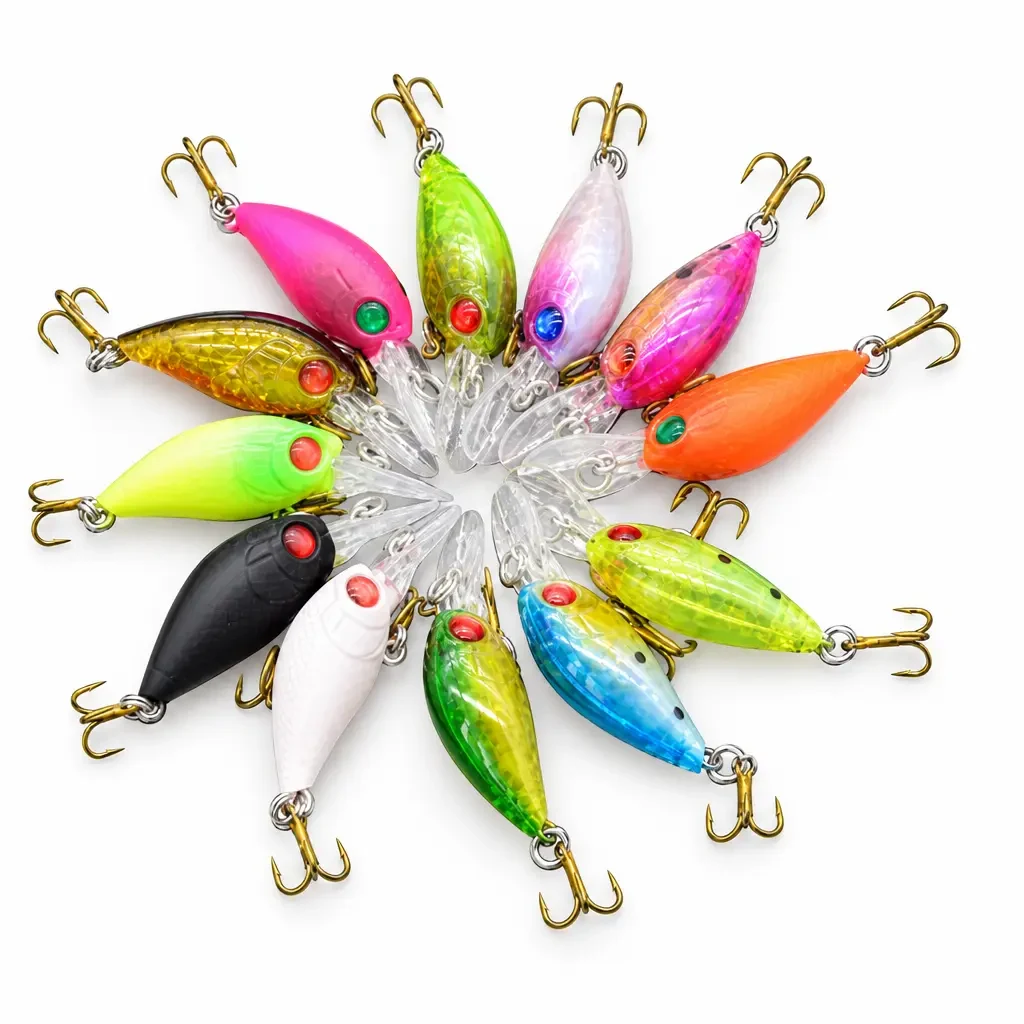
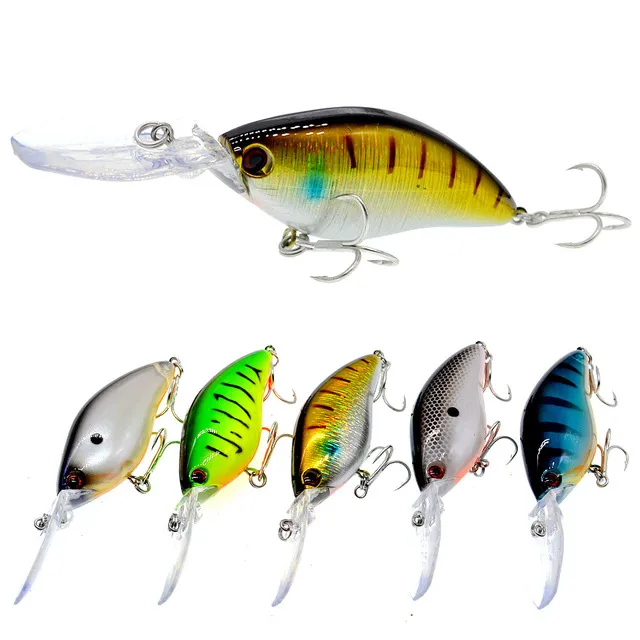
Crankbaits for casting and trolling in fresh water, used to dig down to bass, perch, trout, zander and pike holding near the bottom or around cover. Choose deep diving and long lip models for deep structure, fat crankbaits with rattles for shallow cover and stained water, glow and laser finishes for low light, and mini and micro baits for light tackle. Lengths run from 3cm to 11cm and weights from 1.5g to 18g, sold singly or in 3-packs, from $5.99.
Read more-
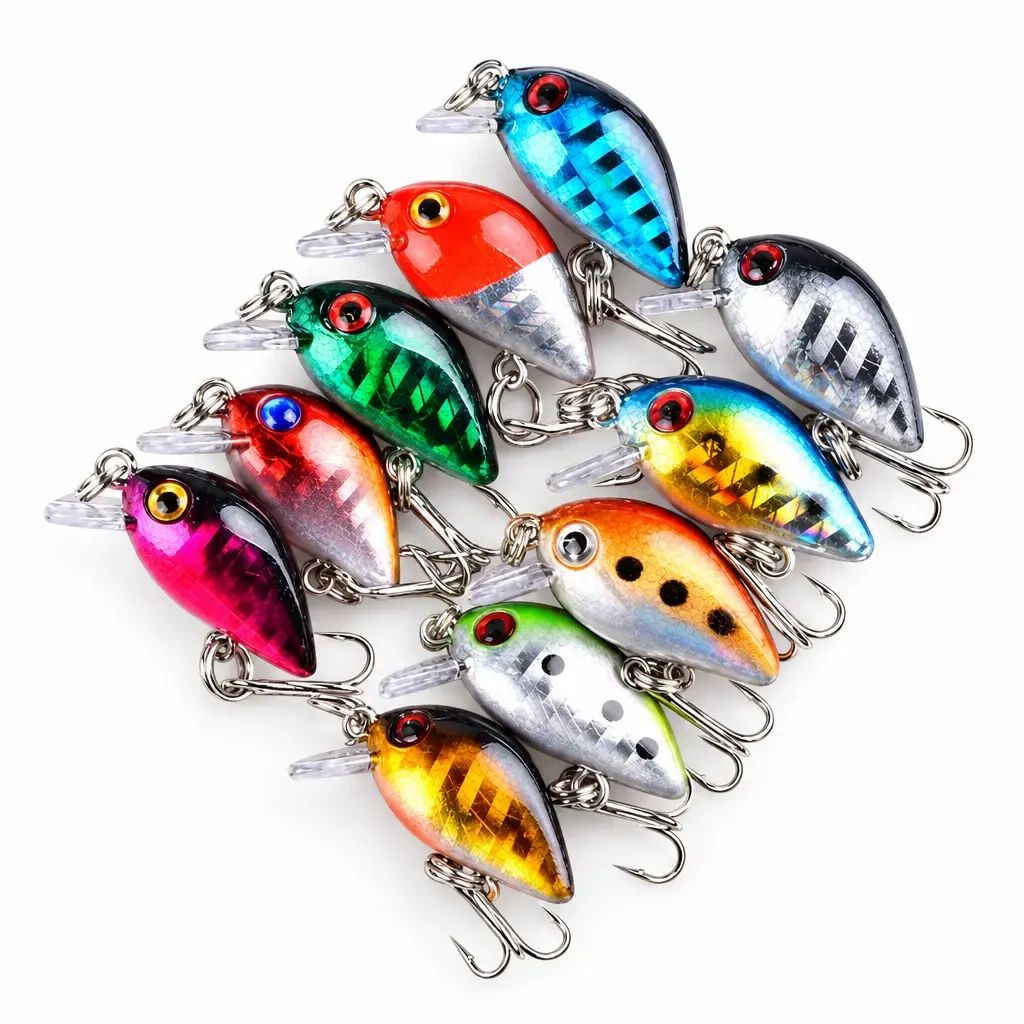 2 options available
Micro Crankbait Mini Wobbler 3cm 1.5g
From$7.99 -
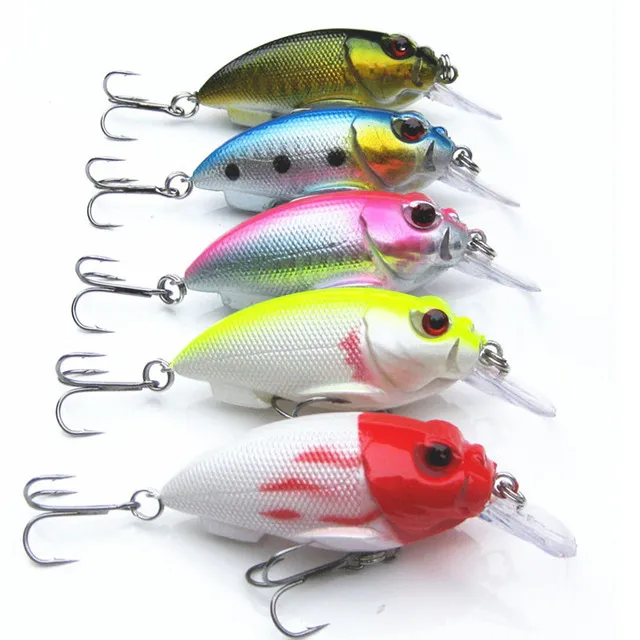 4 options available
-
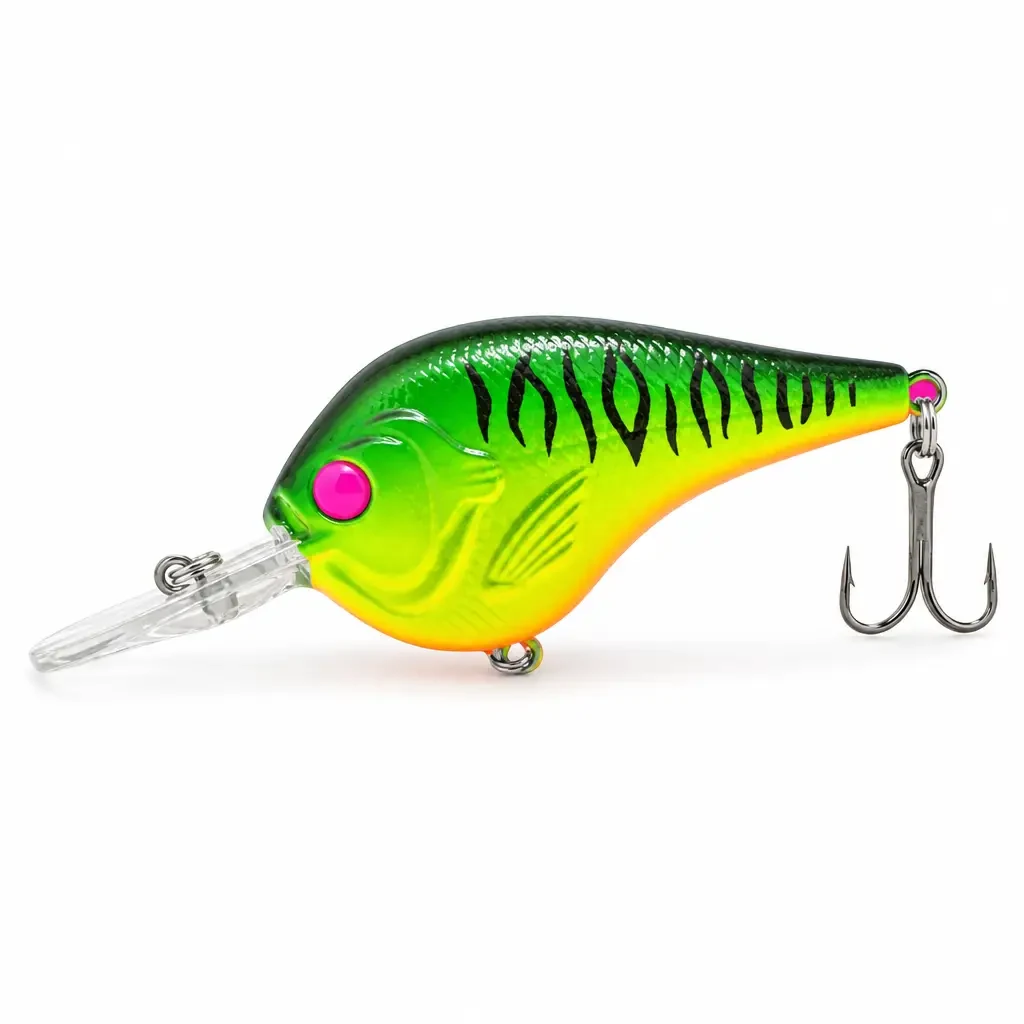 4 options available
-
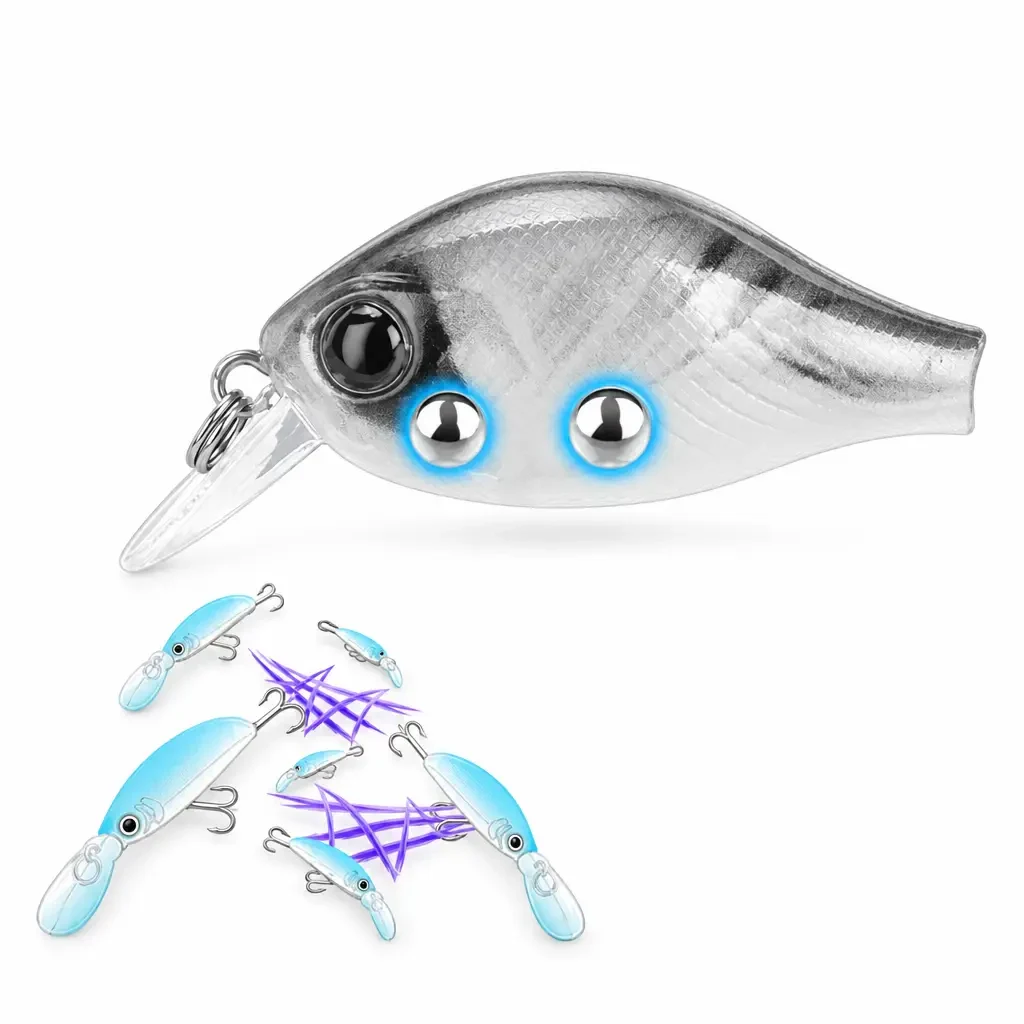 5 options available
-
 See product details
-
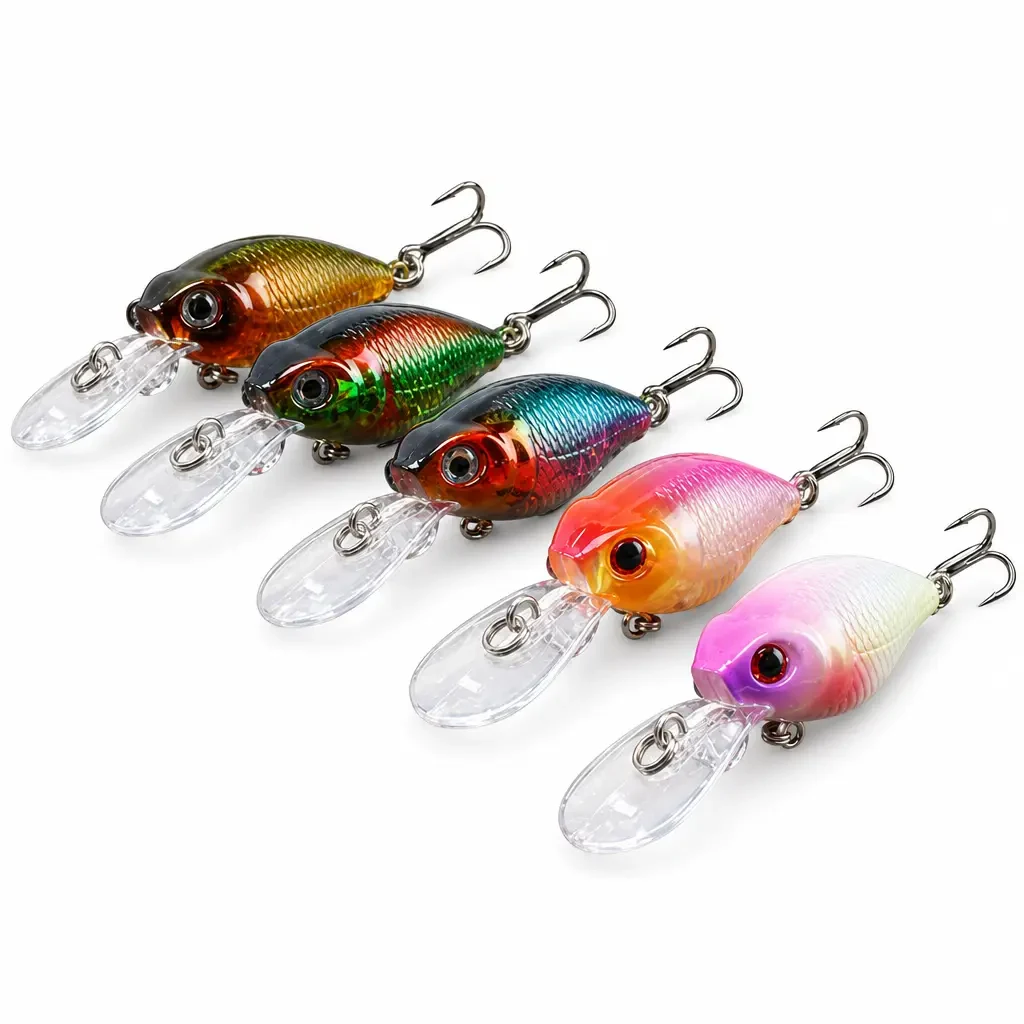 3 options available
Small Crankbait Laser Fat Body 6cm 4.2g
From$8.99 -
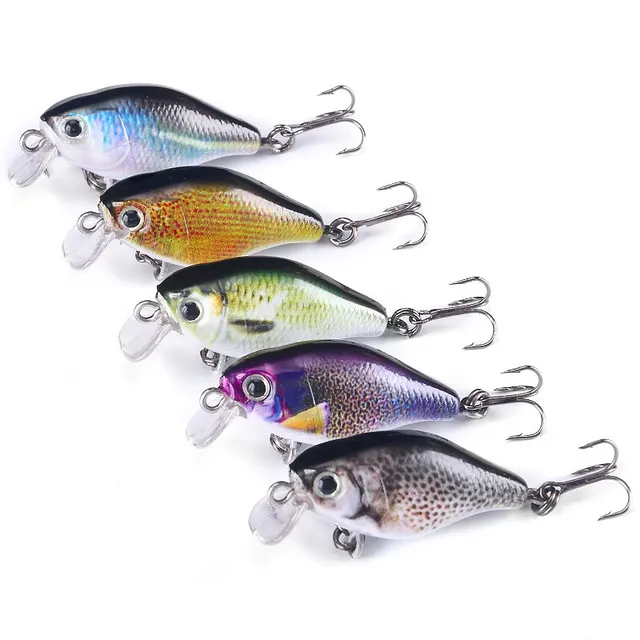 See product details
-
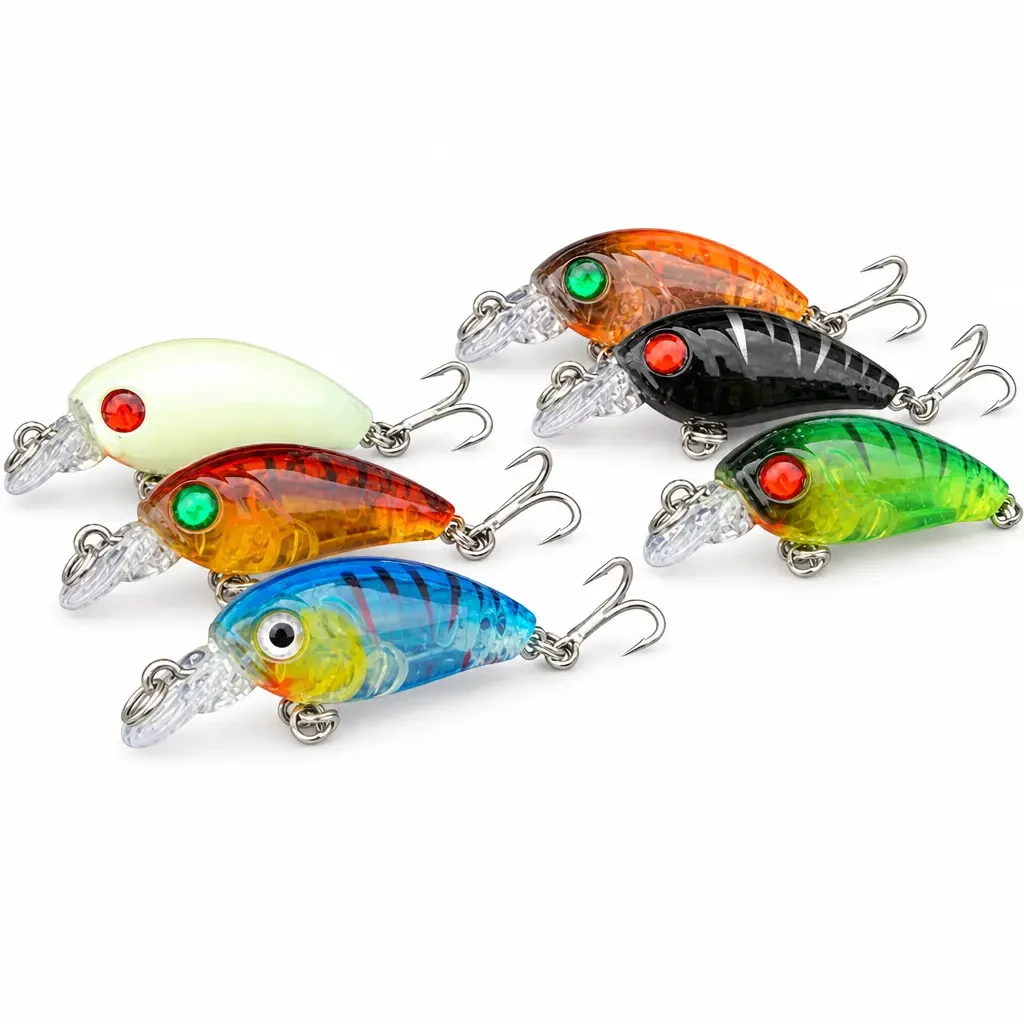 3 options available
Slow Sinking Crankbait Mini 4.5cm 3.5g
From$7.99 -
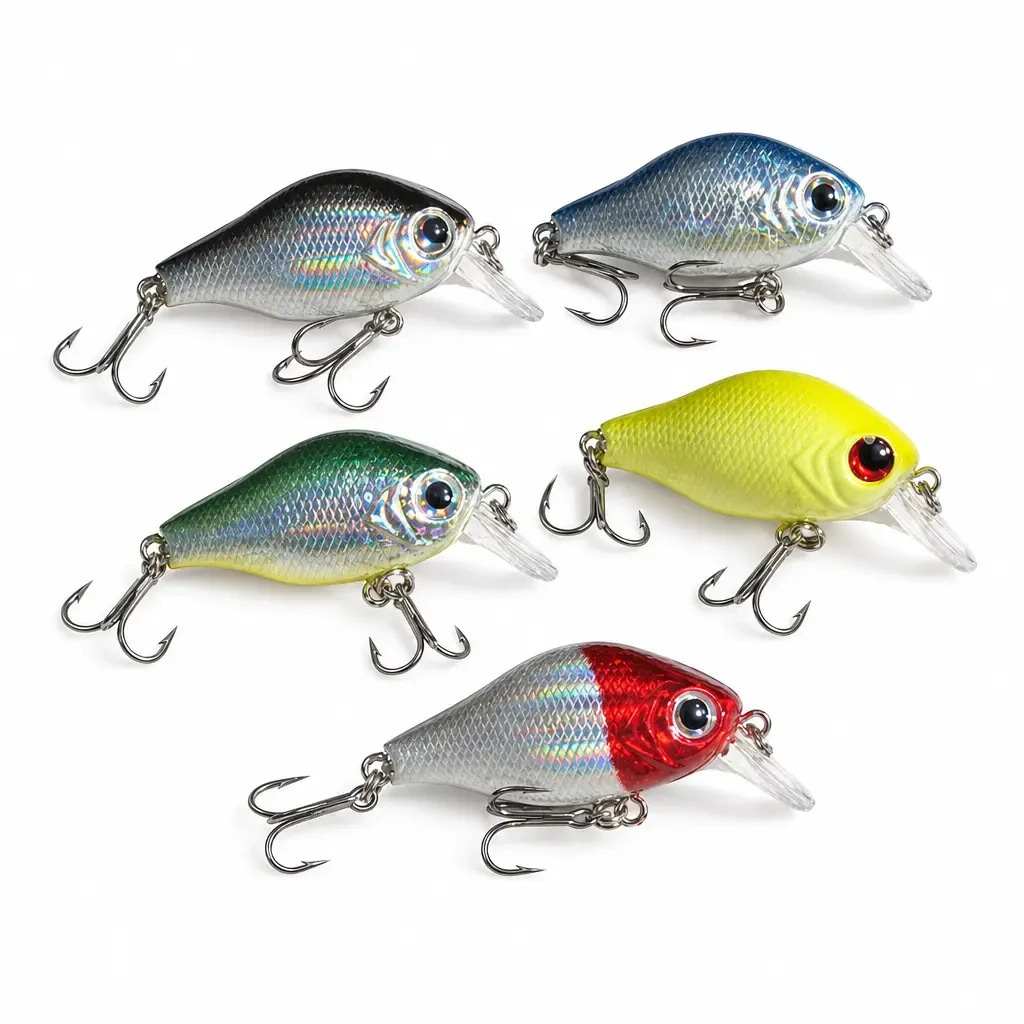 6 options available
Glow Crankbait Luminous 5.5cm 8g
From$7.99 -
 See product details
-
 See product details
-
 8 options available
-
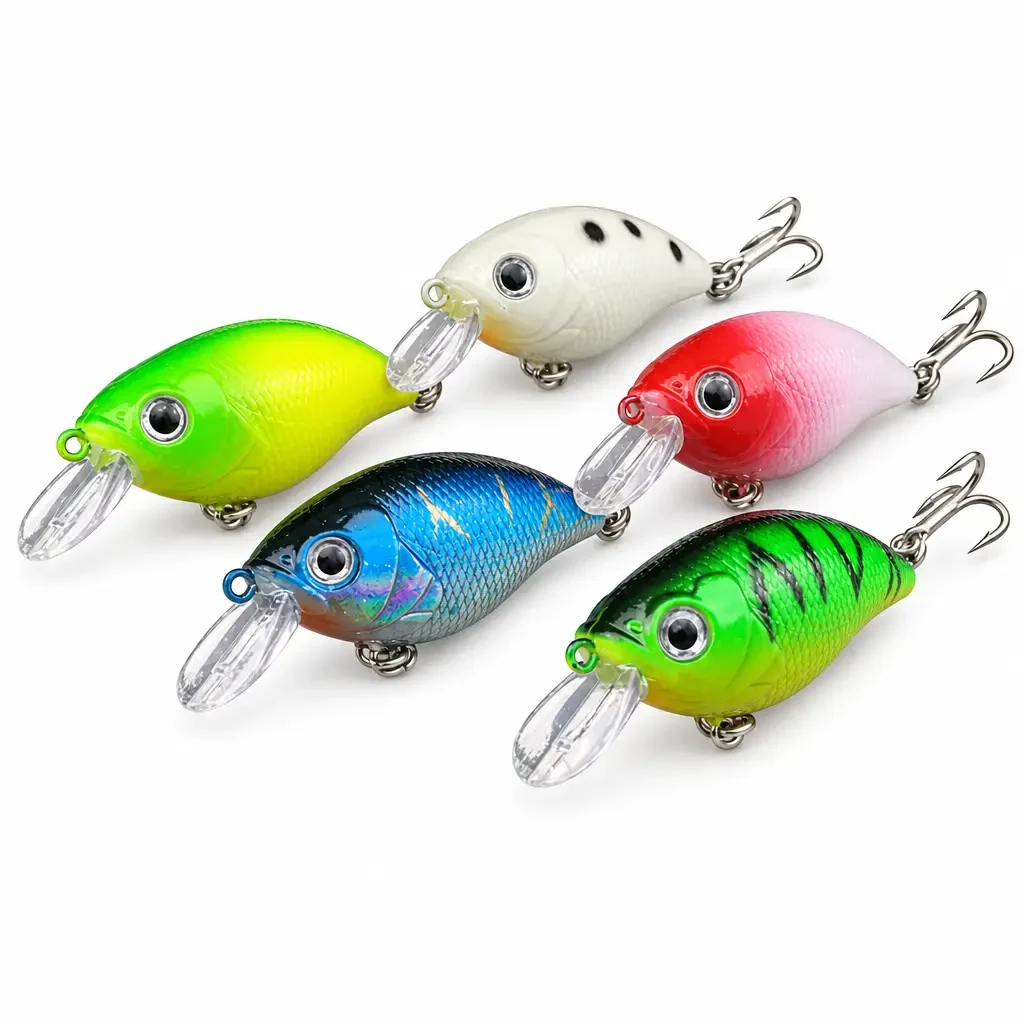 5 options available
Small Fat Crankbait Mini Minnow 5.5cm 7g
From$7.99
What Are Crankbaits?
A crankbait is a hard lure with a plastic lip at the front. When you wind the reel, the lip pulls the bait down and makes it wobble from side to side. The faster you wind, the harder it works.
This wobble sends out vibration that fish can feel, and many crankbaits add rattles for extra sound. Together with flash and colour, it makes the lure easy for predators to find, even in stained water.
Choosing Crankbaits by Depth
Depth is the first thing to get right. Pick a bait that reaches the bottom or the cover where the fish hold, so it can bump stones and wood as it swims.
The size and angle of the lip set the diving depth. Short, steep lips stay shallow, while long lips dive deeper.
- Shallow water and weed tops: choose a short-lip fat or mini bait.
- Mid-depth flats and drop-offs: choose a medium diver.
- Deep structure: choose a deep diving or long lip model.
- Clear water: natural colours; murky water: glow, laser or bright patterns.
Crankbaits for Bass, Perch and Pike
Bass are the classic target, especially around rocks, docks and fallen trees. Perch and trout respond well to small mini and micro baits on light gear. Larger deep divers suit pike and zander holding near the bottom.
Match your rod and line to the bait. Light rods and thin line help micro and mini baits swim and cast well. Heavier lures and deep divers need a stronger rod to handle the pull.
Crankbaits FAQ
Which crankbaits work best for bass?
Start with a mid-size bait that reaches the depth where the bass hold. Fat, rattling crankbaits suit shallow cover and stained water. Slimmer deep divers suit rocky points and ledges in deeper water.
When should I fish a crankbait?
Crankbaits work in every season when fish hold near the bottom or close to structure. Shallow baits often shine in spring and autumn. In summer, fish often move deeper, so a deep diving model can reach them.
How do I pick a crankbait for my water?
Look at depth first, then water clarity and cover. Choose a bait that reaches the bottom, a colour that suits the clarity, and a size that matches the local baitfish. Change one thing at a time until fish respond.
How should I retrieve a crankbait?
A steady wind is the simplest start. Pause or speed up when the bait hits cover, because this sudden change often triggers a strike. If the lure snags, a short pause and a gentle shake of the rod tip often frees it.