
Soft Baits
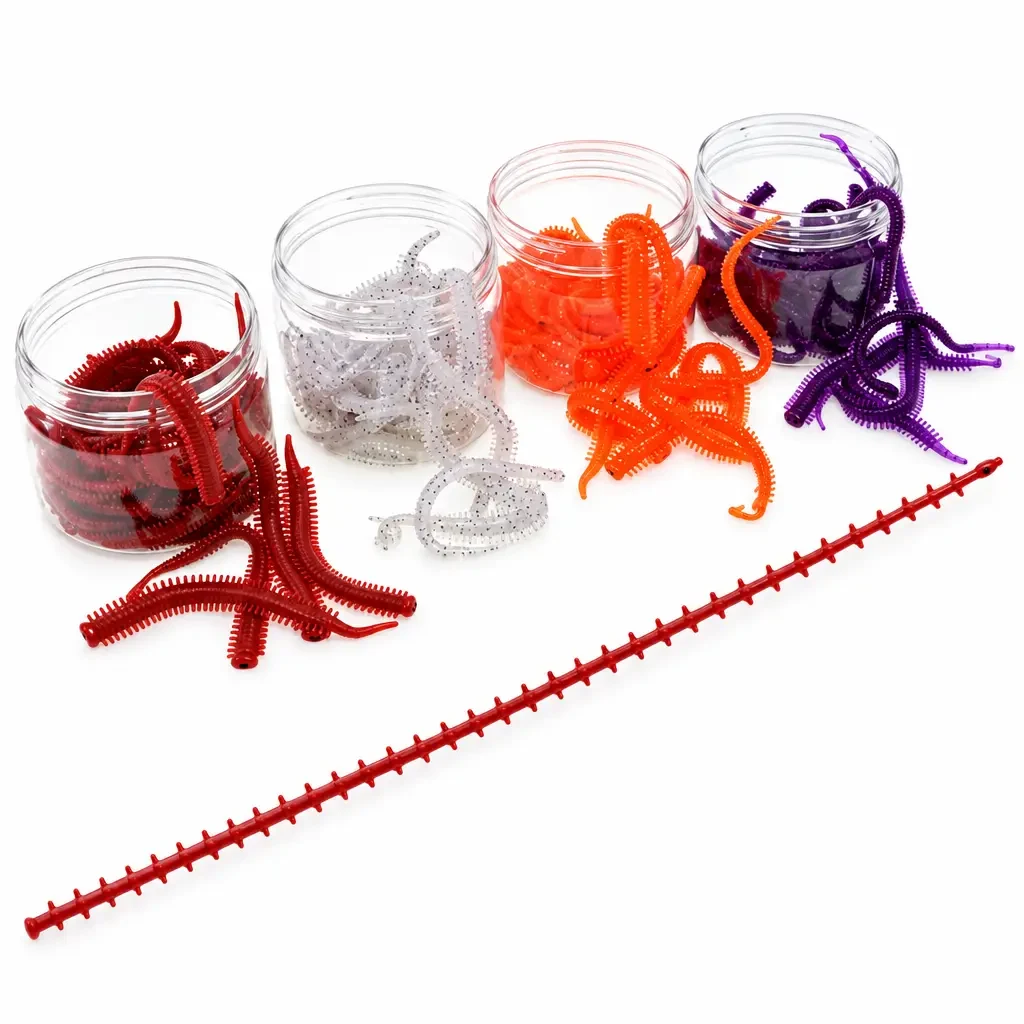
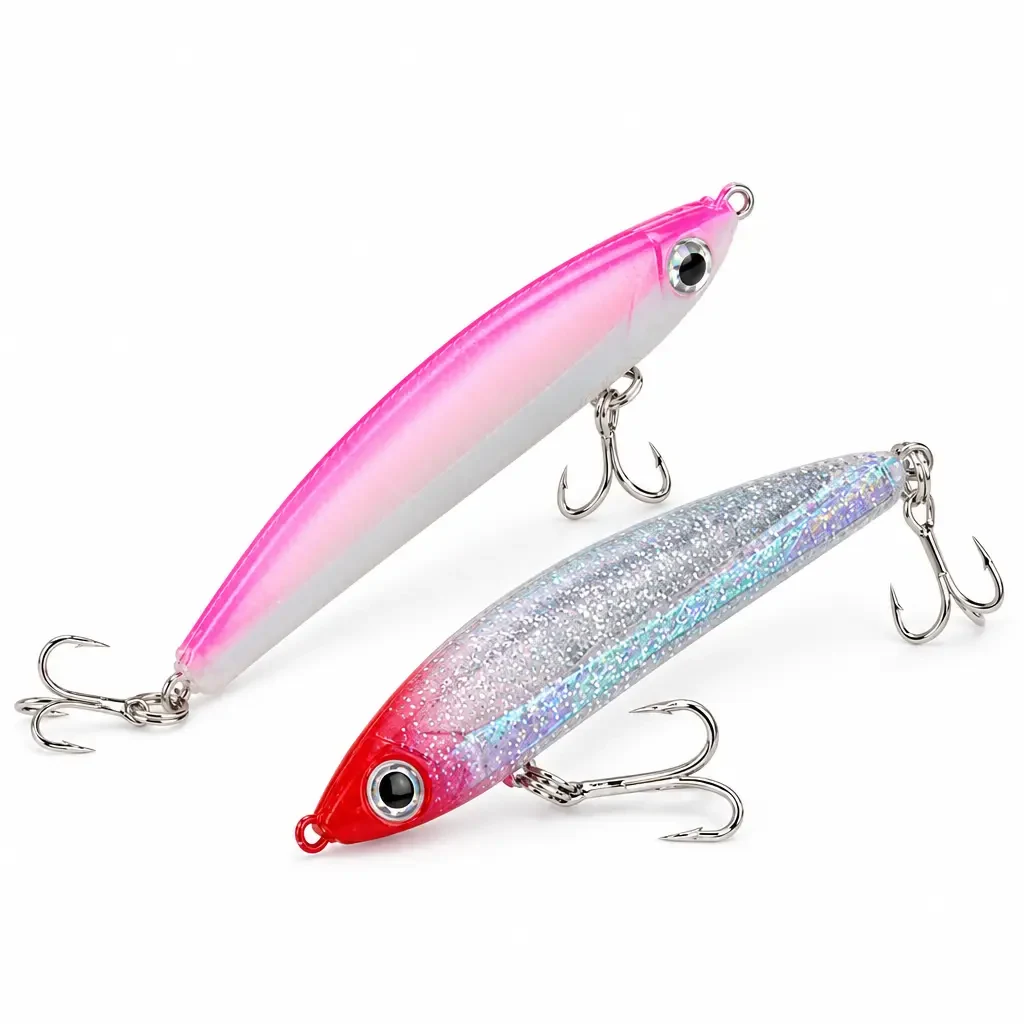
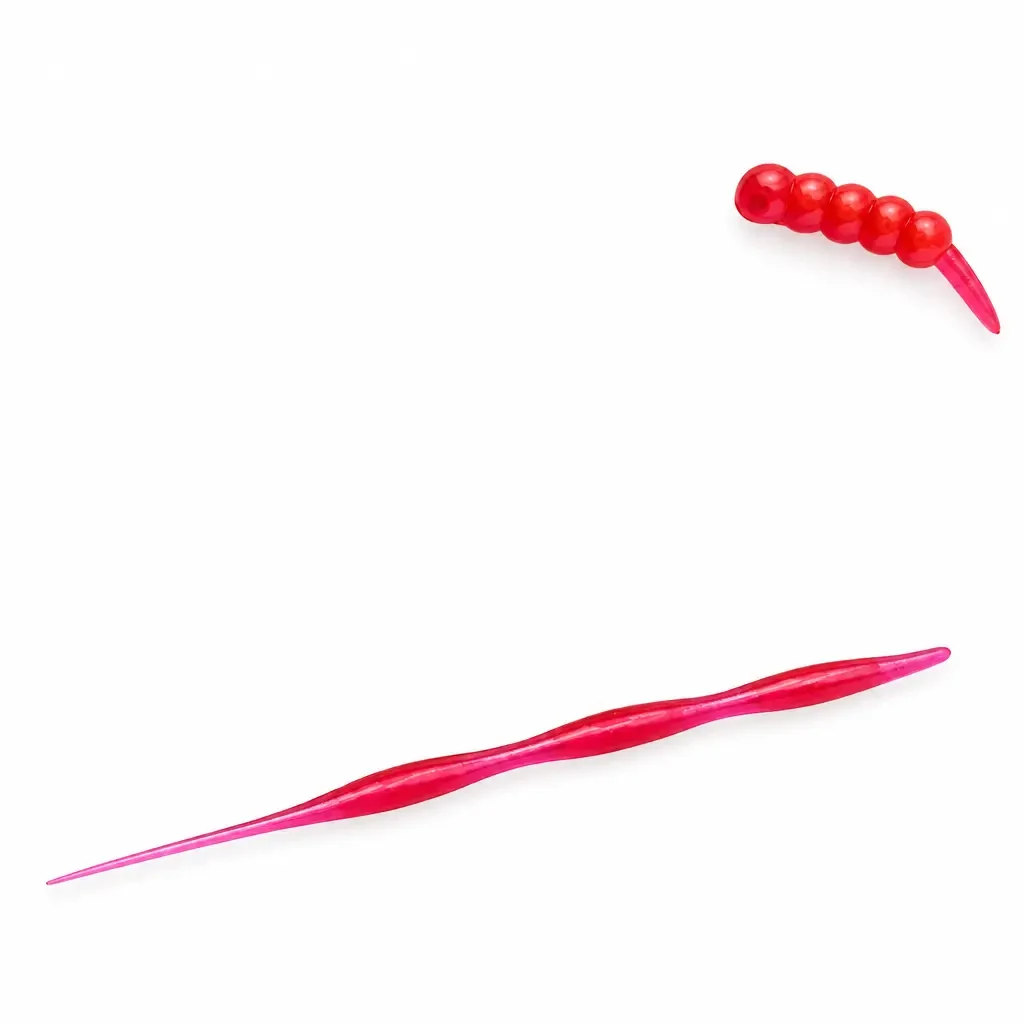
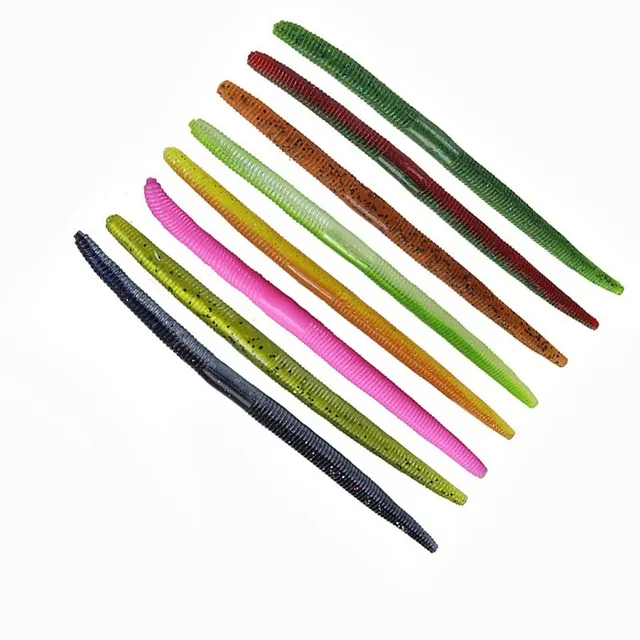
Soft baits are flexible lures for jig heads and Texas, wacky and Neko rigs, used for bass, perch, trout and other predators in fresh water, with larger sea models for salt water. We stock needle tail baits for subtle finesse fishing, noodle and stick baits for slow-sinking rigs, eel and loach baits for a long swimming profile, small fish shapes for a baitfish look, glow and glitter colours for low light, and a beginner kit with jig heads. Lengths run from 3.5cm to 30cm, in packs of 10, 50, 100 and up to 150, from $6.99.
Read more-
Best Seller
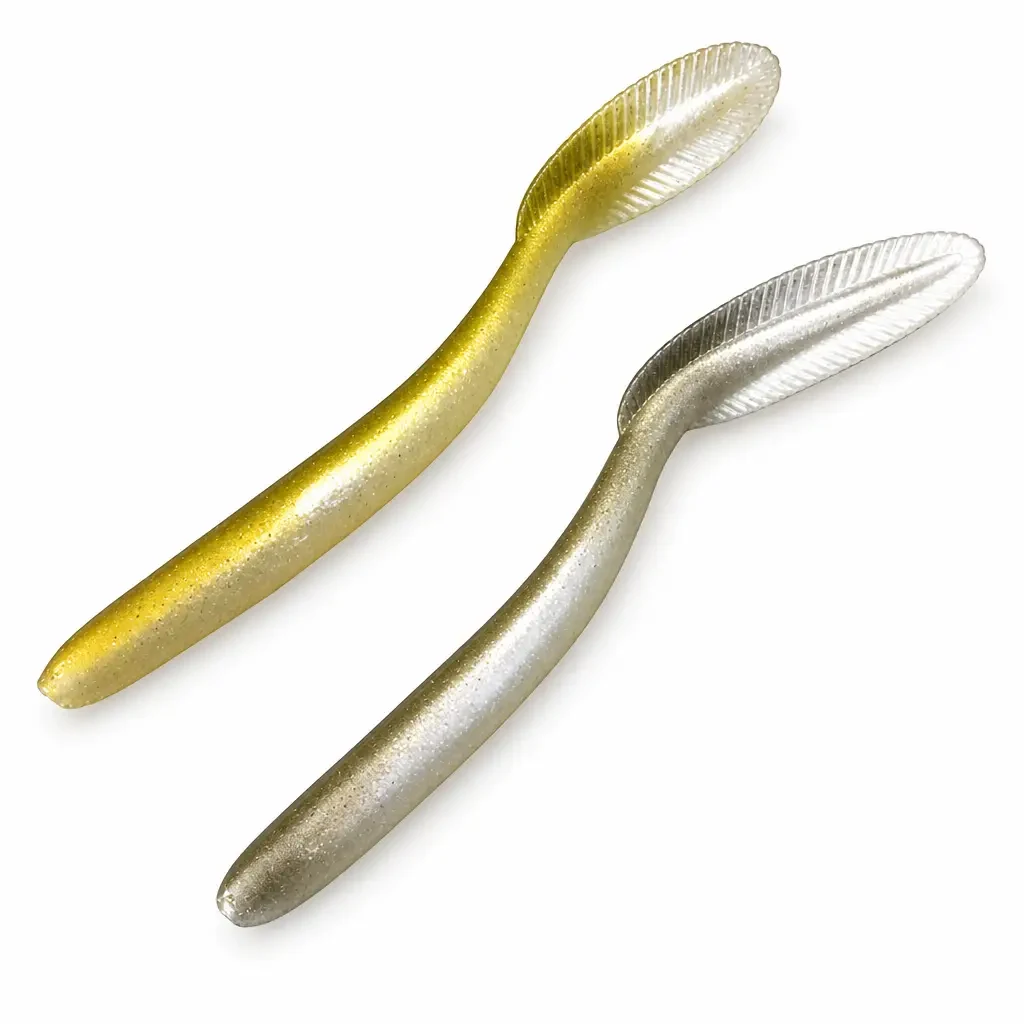 6 options available
-
Best Seller
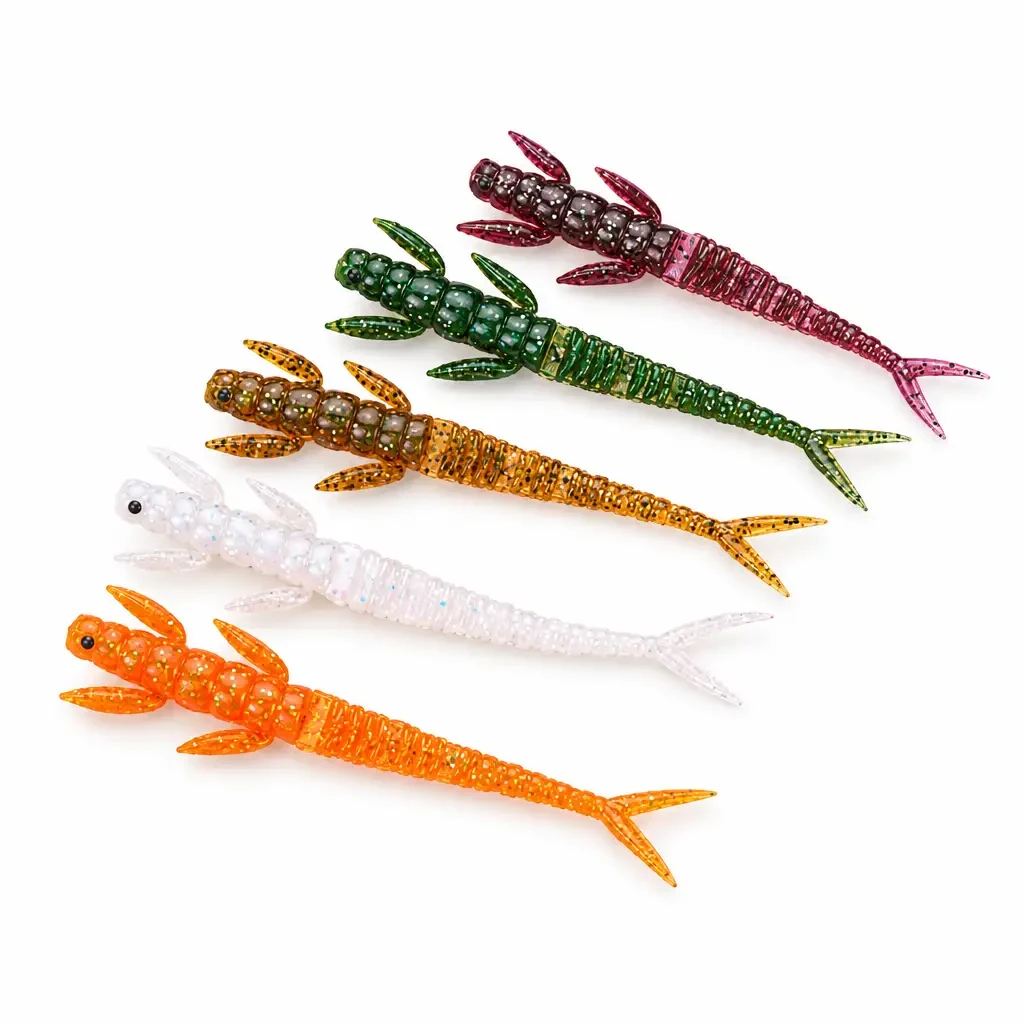 6 options available
-
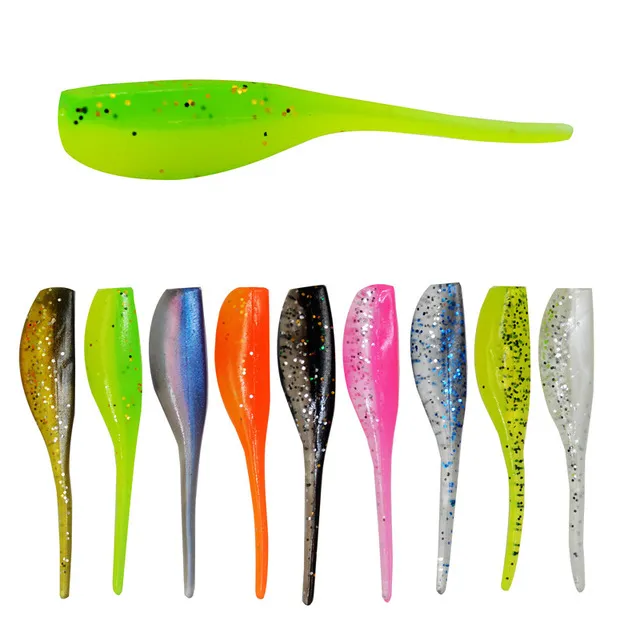 7 options available
-
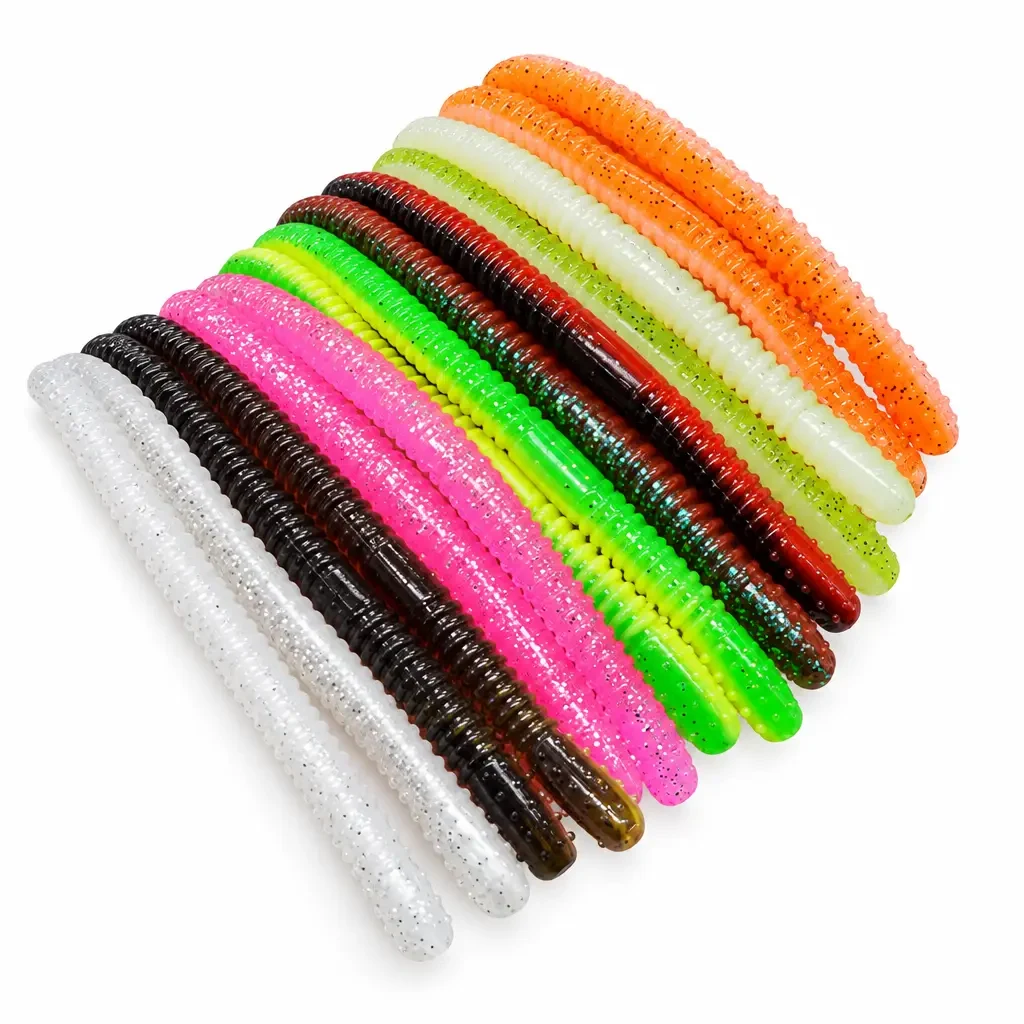 8 options available
-
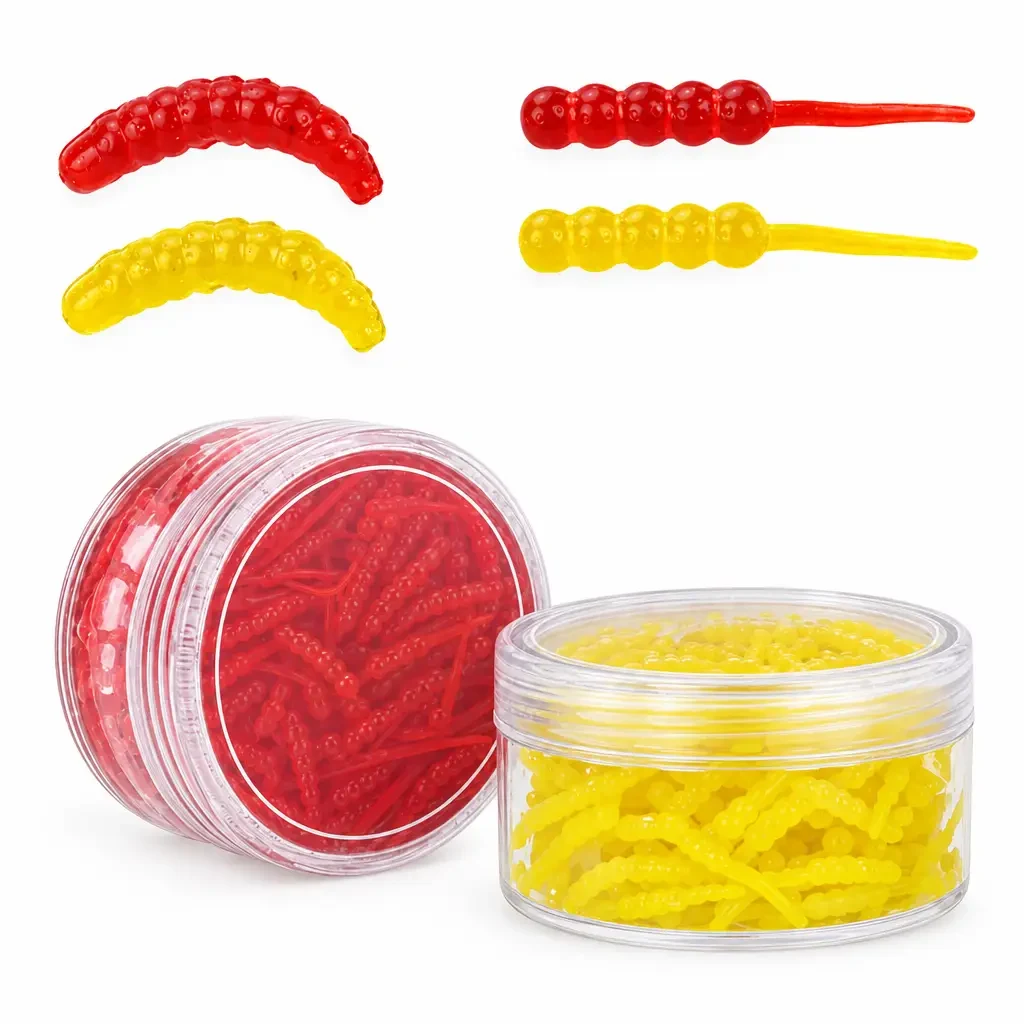 4 options available
-
 2 options available
-
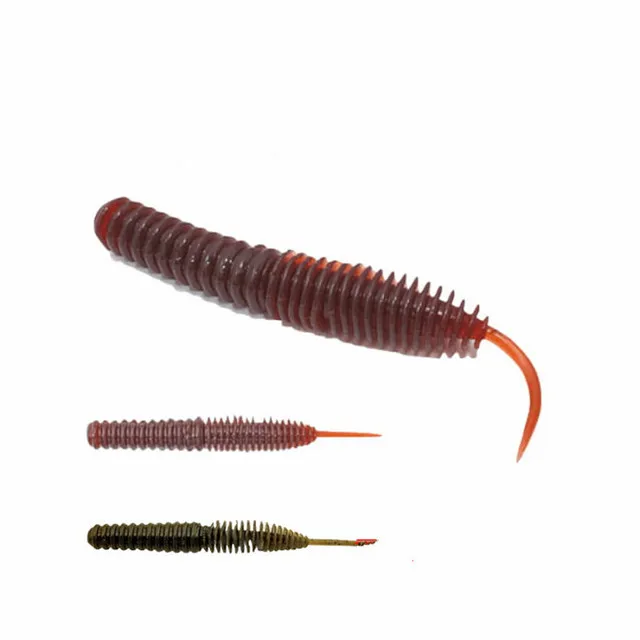 18 options available
-
 3 options available
-
 7 options available
-
 2 options available
Big Eel Lure Mud Loach Soft Bait 30cm 58g
From$12.99 -
 3 options available
-
 3 options available
-
 6 options available
-
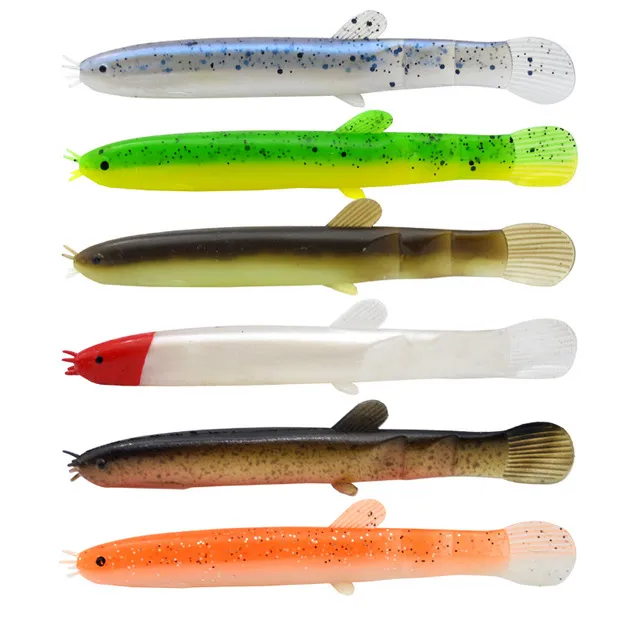 See product details
-
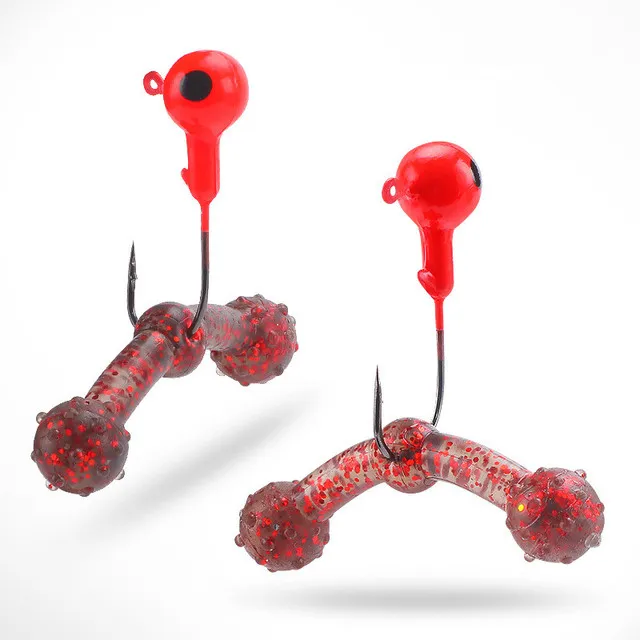 See product details
-
 3 options available
-
 5 options available
-
 3 options available
-
 2 options available
-
 4 options available
-
 6 options available
-
 2 options available
-
 See product details
-
 See product details
-
 See product details
Types of Soft Baits
The shape of the body and tail sets the action. Pick the shape that matches the prey in your water and the speed you want to fish.
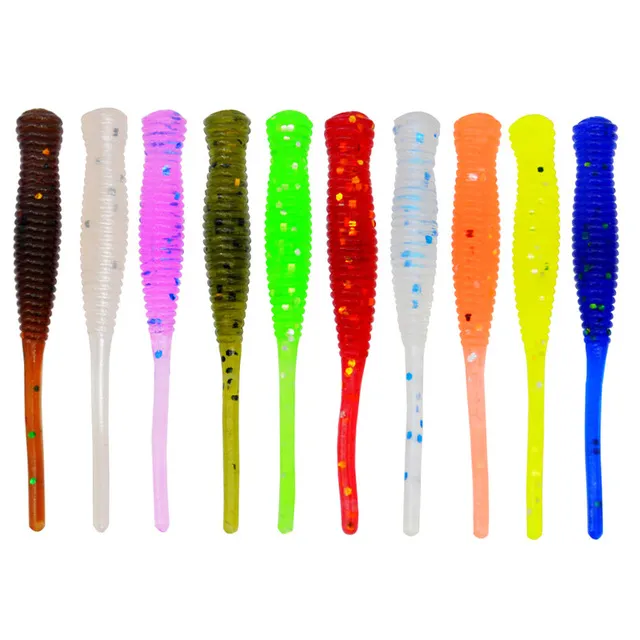
- Needle tail: a thin, quivering tail for slow, subtle presentations.
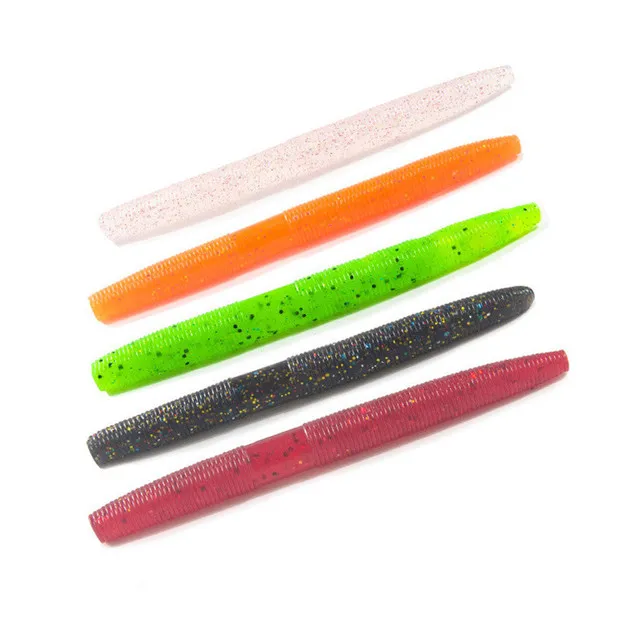
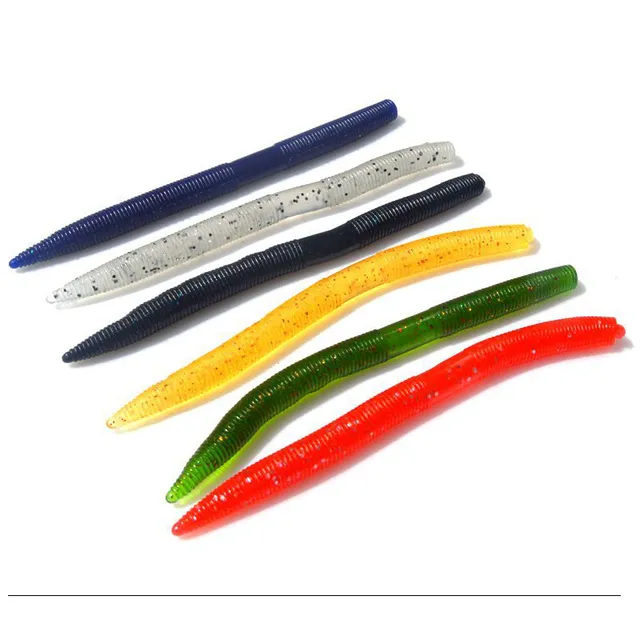
- Noodle and stick baits: long, straight bodies that fall slowly and shake on a slack line.
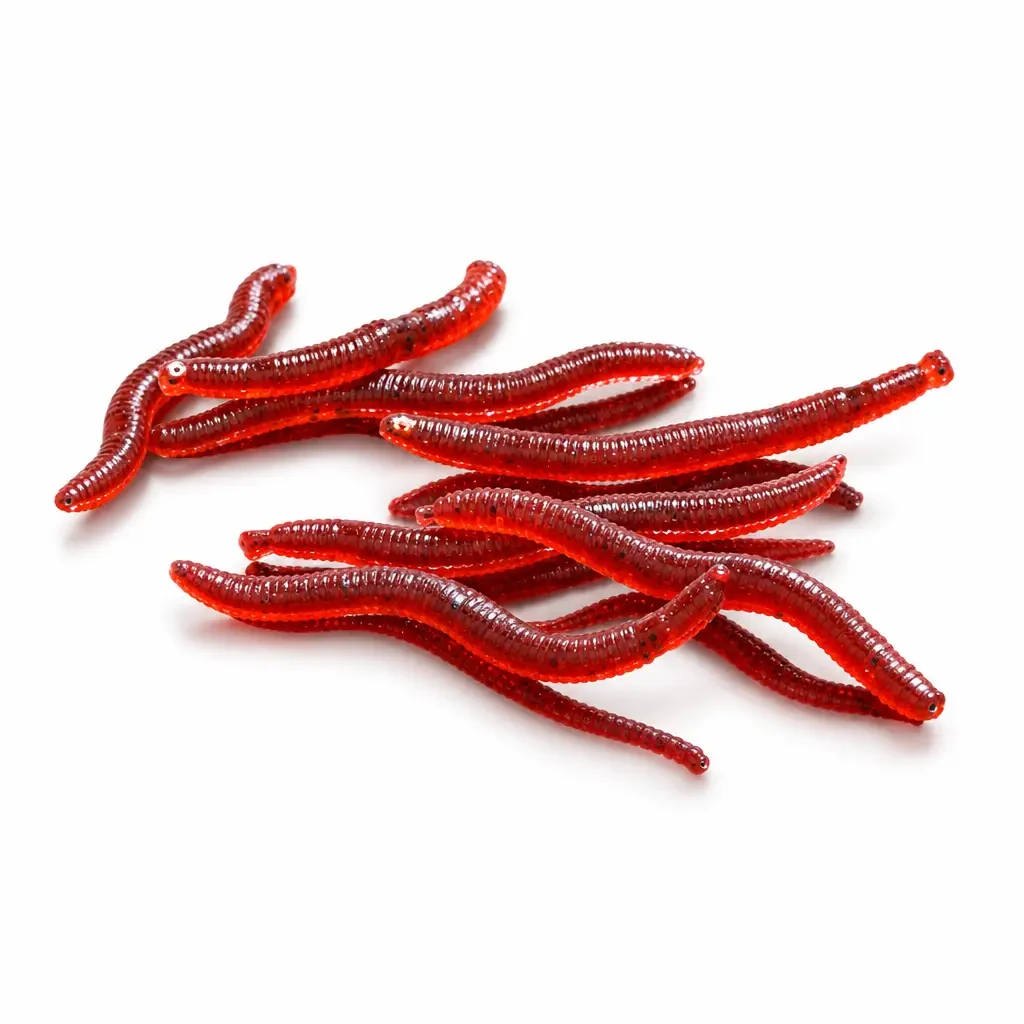
- Eel and loach baits: long, slim bodies that swim with a snake-like wiggle.
- Sharp tail and single tail: a darting action when you twitch the rod.
- Small fish shapes: a compact baitfish profile for perch, trout and other small predators.
How to Rig Soft Baits
The rig decides how the bait moves and how well it comes through cover. Start simple and change rigs as the fish tell you.
- Jig head: thread the bait on straight, then cast and hop or swim it back.
- Texas rig: bury the hook point back in the plastic so it slides through weeds and wood.
- Wacky rig: hook the bait through the middle so both ends flutter as it sinks.
- Neko rig: add a small nail weight to one end so the bait stands and shakes on the bottom.
Colour, Size and Scent
In clear water, natural colours and smaller baits usually work well. In stained water or low light, glow, glitter and dual colour baits stand out more.
Many anglers add a scent attractant to soft plastic lures. It can make fish hold on a little longer, which gives you more time to set the hook.
Soft Baits FAQ
Which soft baits suit beginners?
A kit that pairs baits with jig heads is an easy start, because you get both parts of the rig together. Thread a bait onto a light head, cast it out, let it sink and hop it back slowly along the bottom.
What size soft bait should I use?
Match the size to the fish and the local prey. Small 3cm to 8cm baits suit perch, trout and wary bass. Longer eel and loach baits suit pike, zander and bigger fish in fresh water or the sea.
How do I stop soft baits from tearing?
Thread the bait straight and push it right up to the head, so it does not slip down the hook. Unhook fish gently, and store baits flat in their pack and away from heat so they keep their shape.