

Lures for Every Water
We stock metal jigs, soft baits and hard lures for the sea, lakes and rivers, in weights from 2g to 60g.
Learn moreMetal jigs, soft plastics, hard baits, jig heads and hooks for sea and freshwater fishing. Shop 498 products by type or by the way you fish, with free delivery on orders over $50.
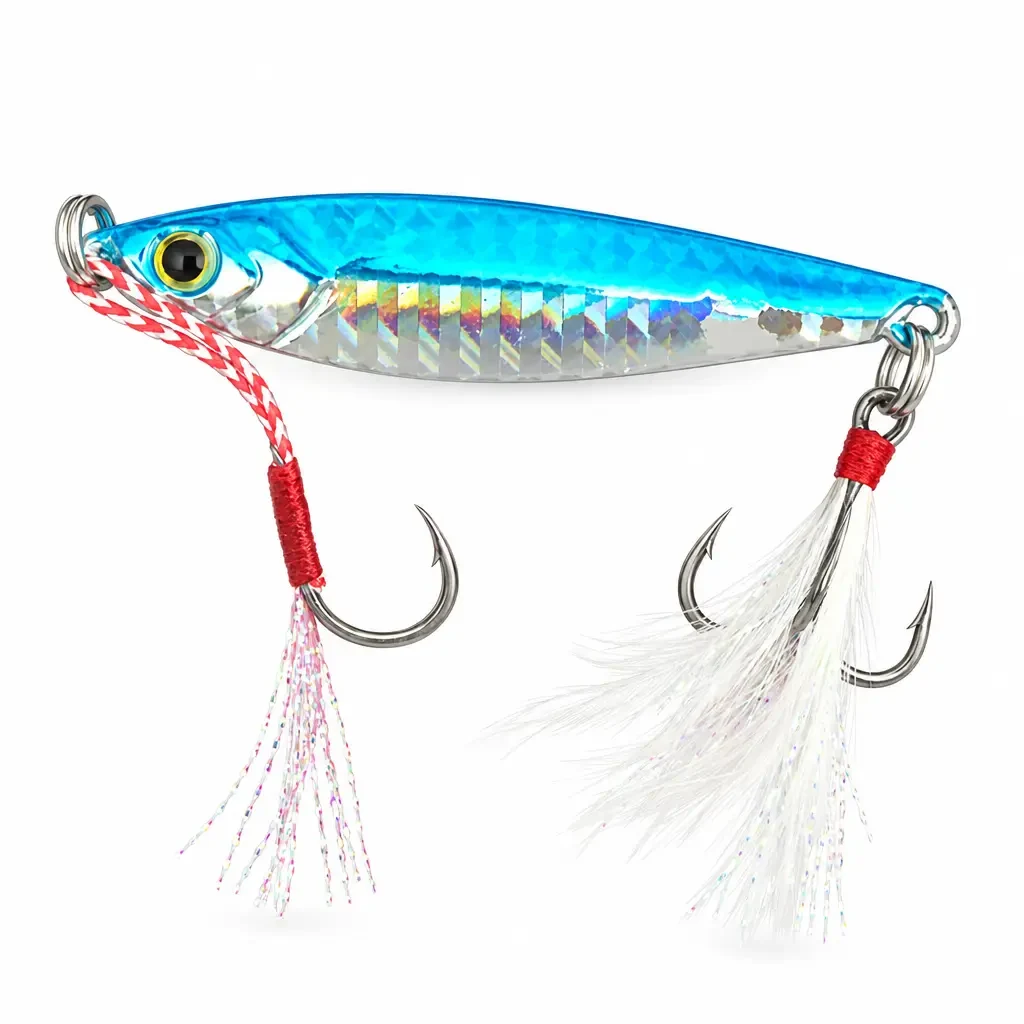 Best SellerSlow Pitch Jig 7g-60g Shore Cast Metal Jigbait$6.99
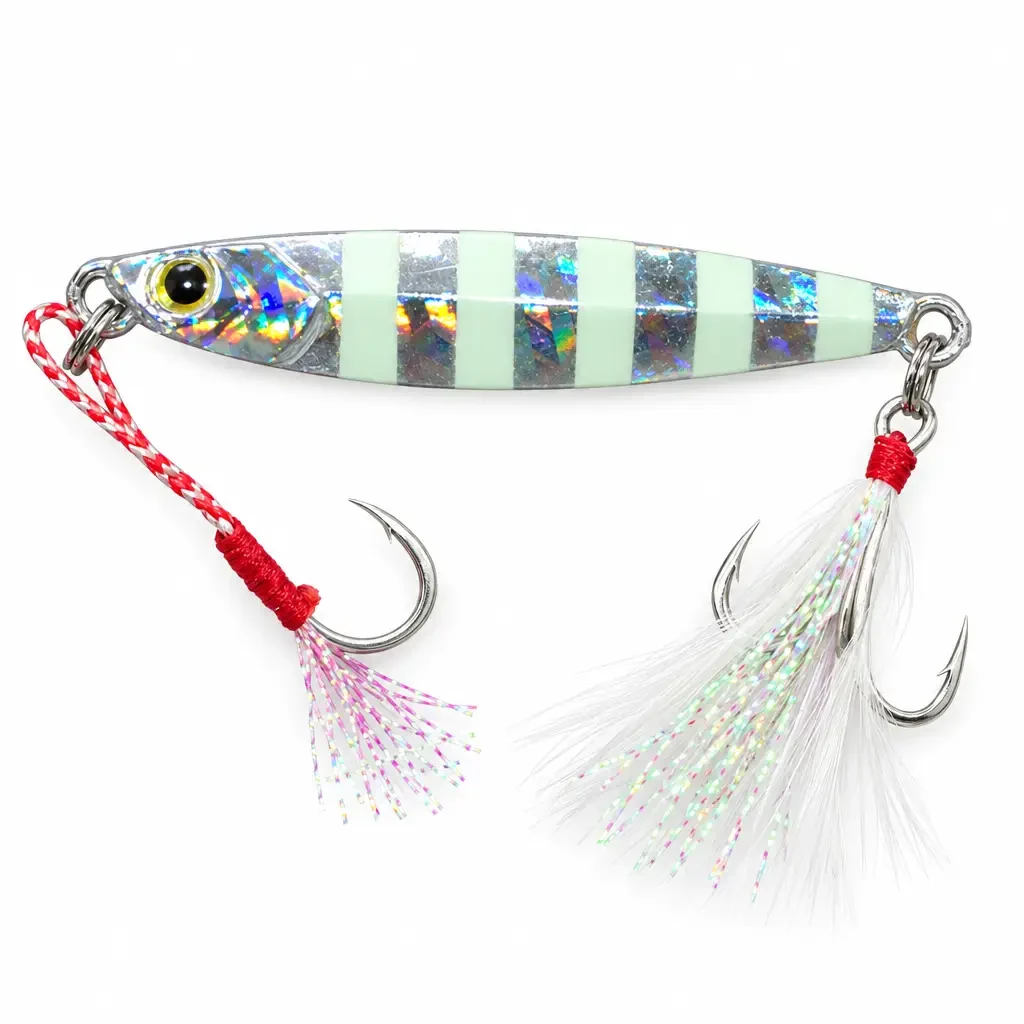 Best SellerGlow Shore Jig 7g-25g Metal Jigbait 6cm$7.99
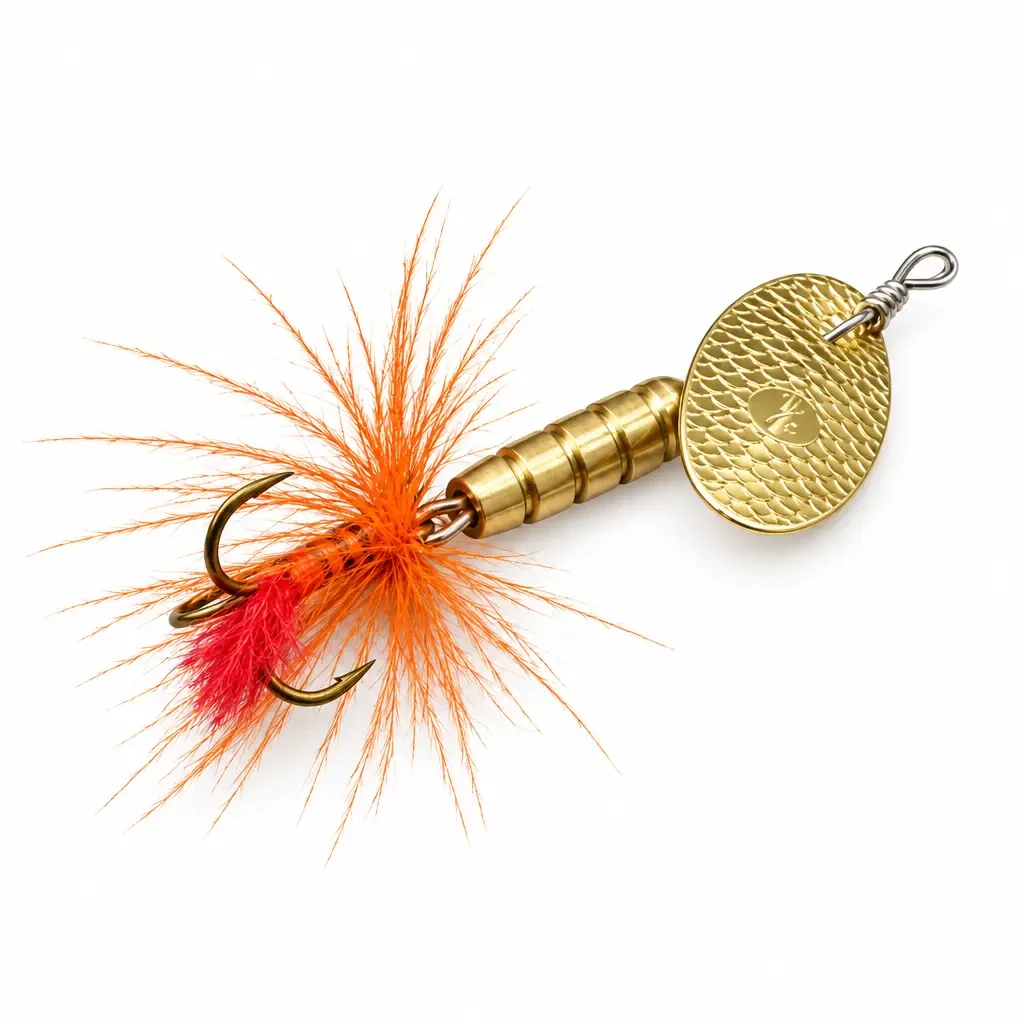
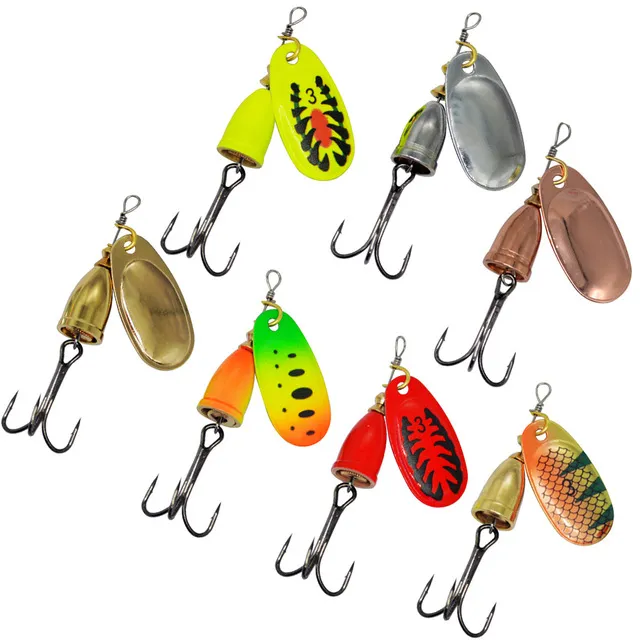 Best SellerBell Spinner 8g$8.99
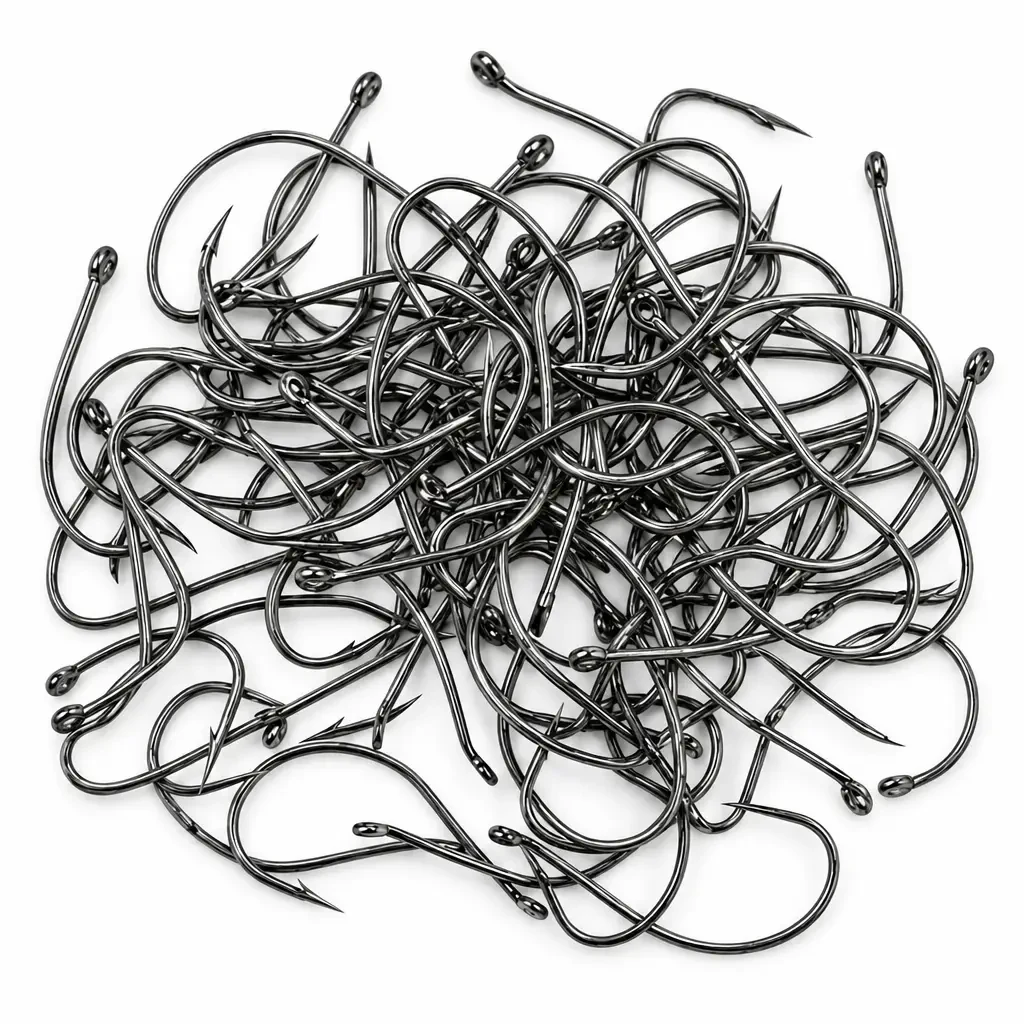 Best SellerThin Barbed Fishing Hook High Carbon Steel (Pack of 20)$5.99
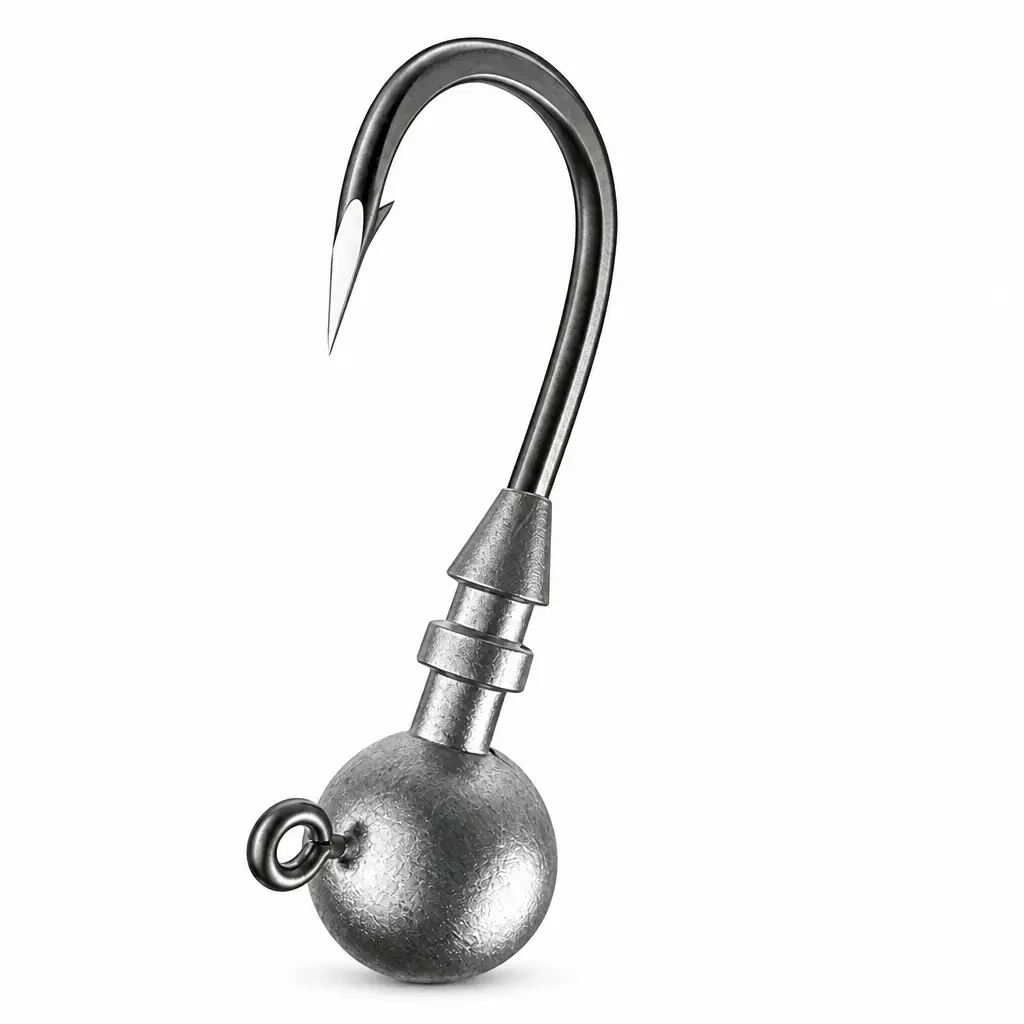
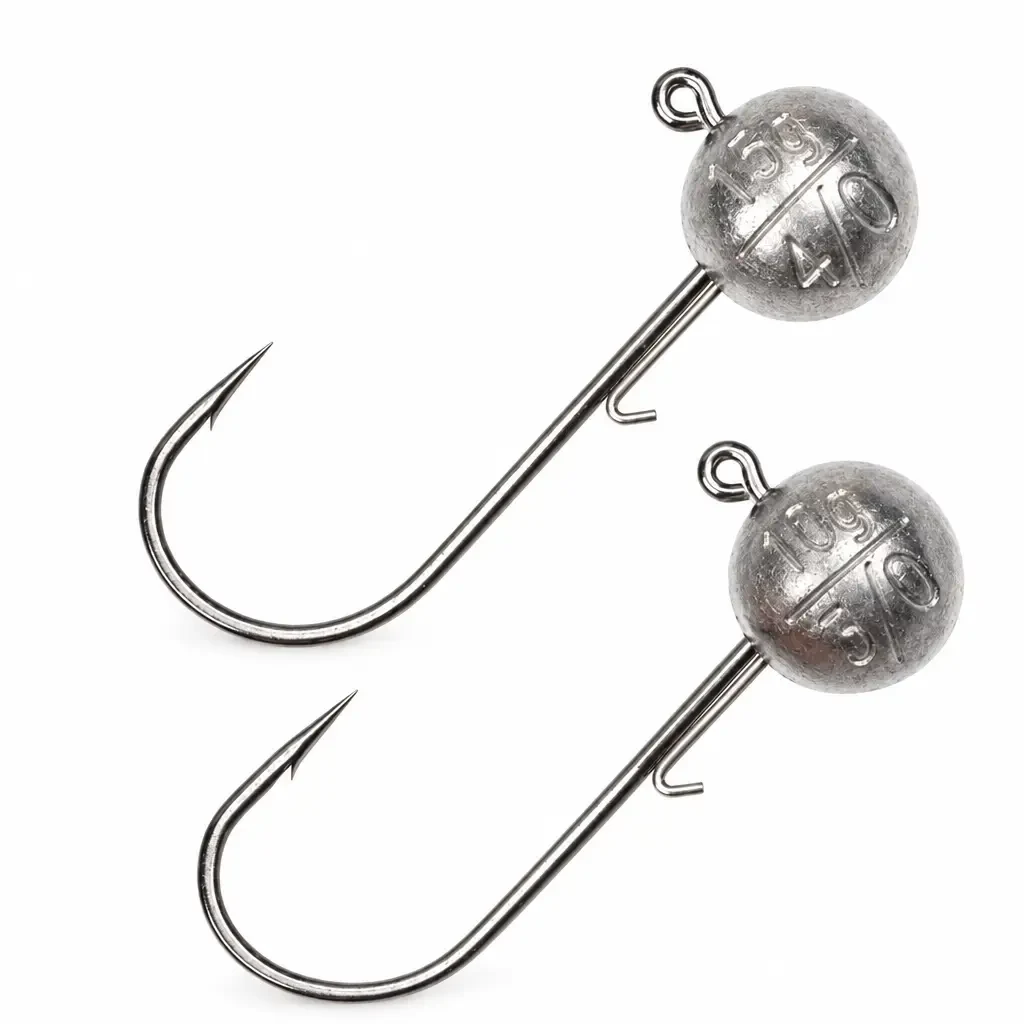 Best SellerNED Bass Jig Head 7g-20g 4X Wide Hook (Pack of 5)$10.99
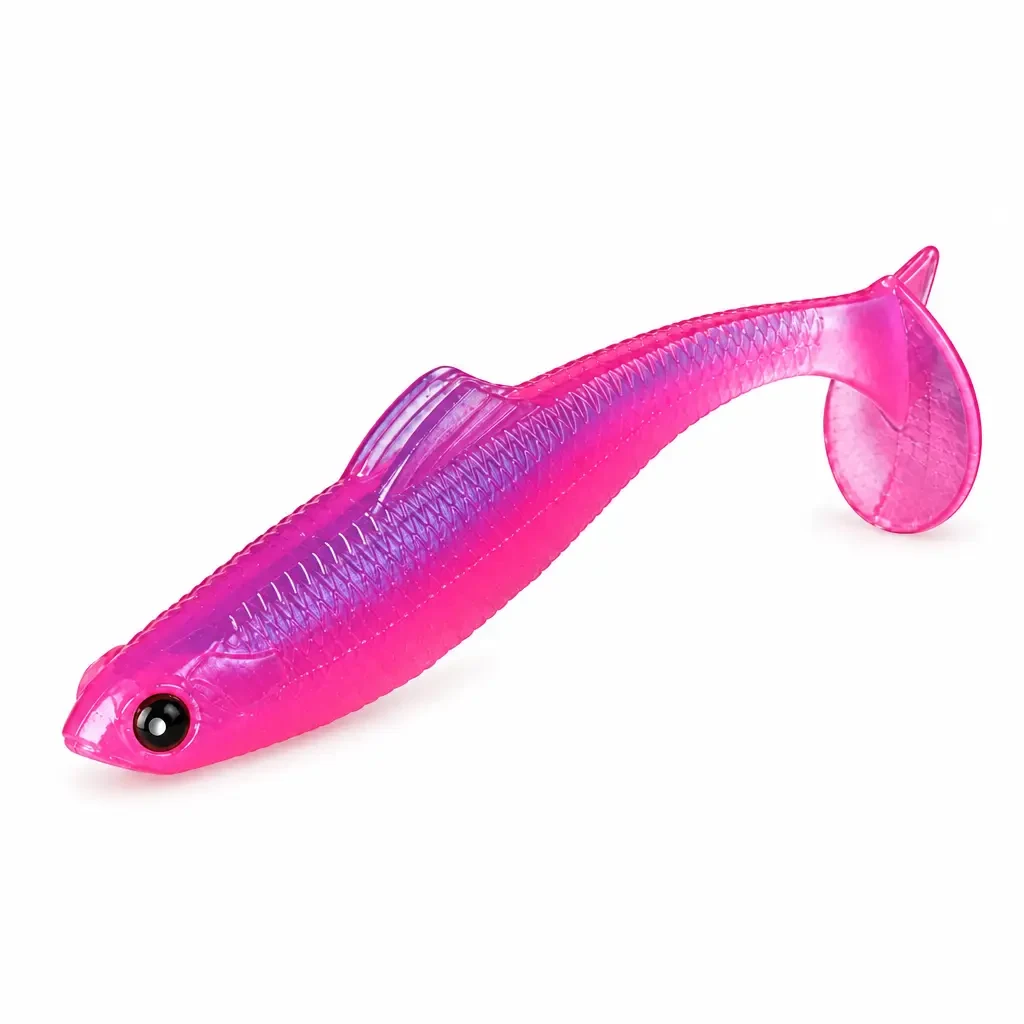
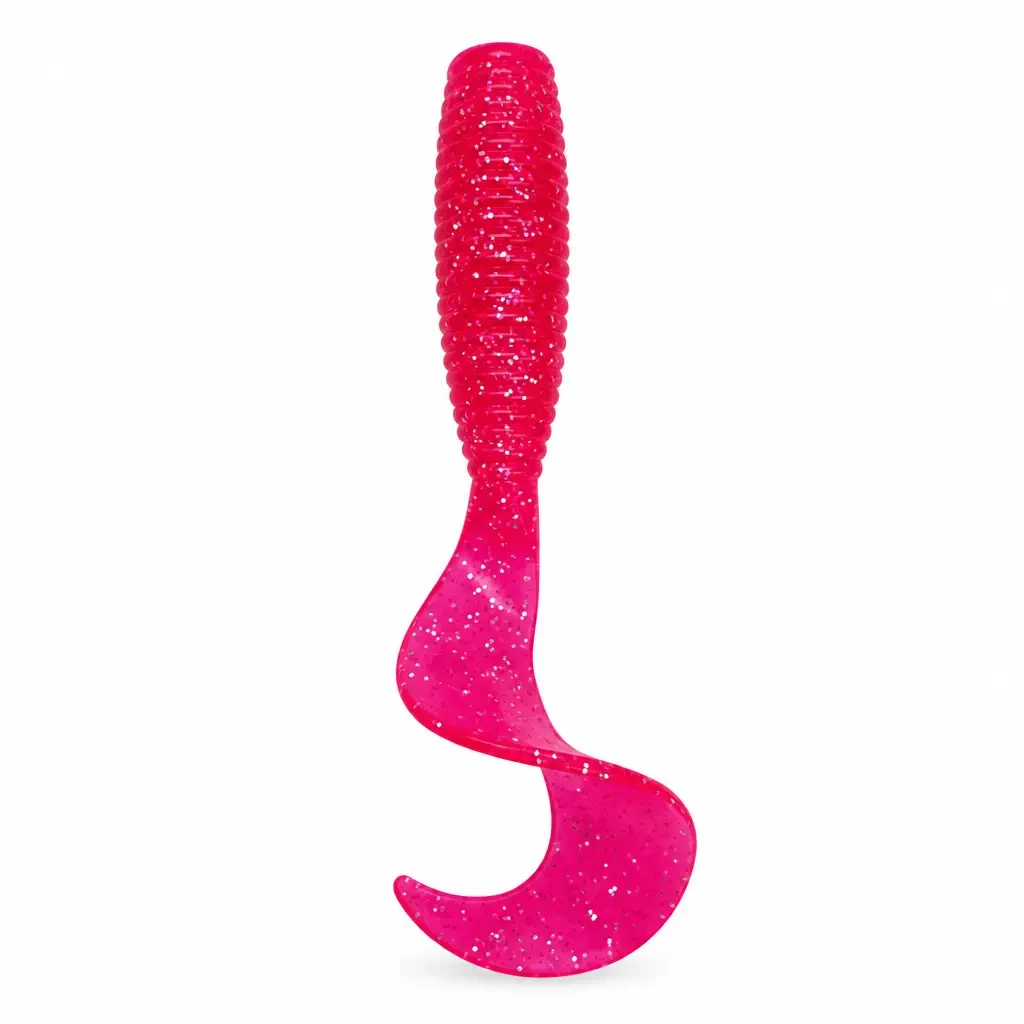
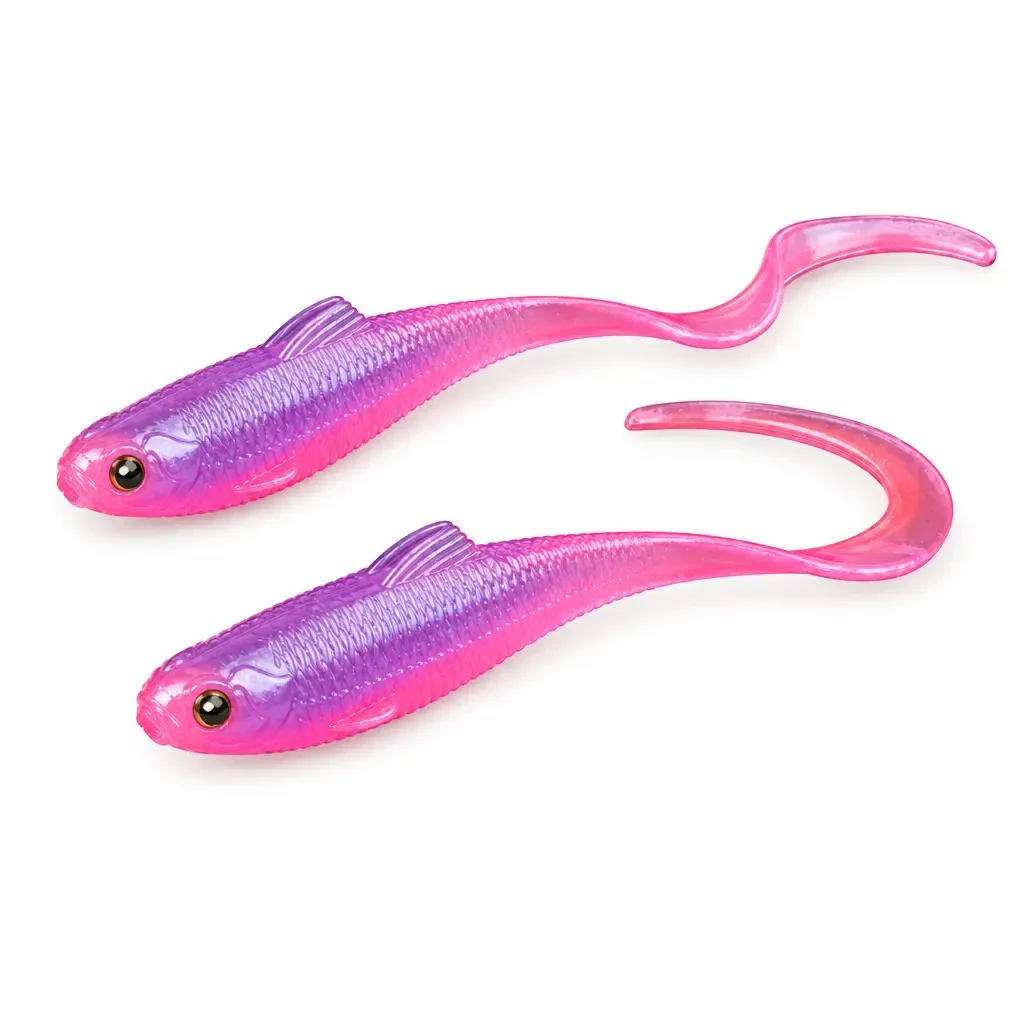 Best SellerCurly Tail Lure Big Wave Tail Soft Bait$9.99
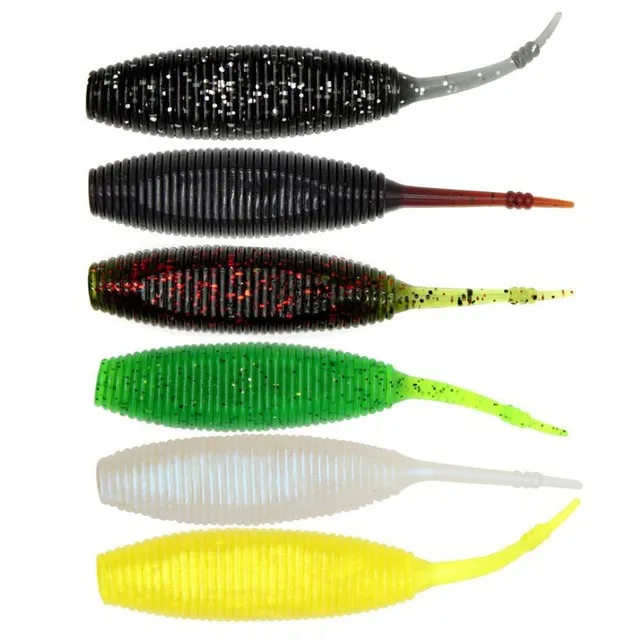 Best SellerFat Grub Sinking 9cm 8g (Pack of 5)$9.99
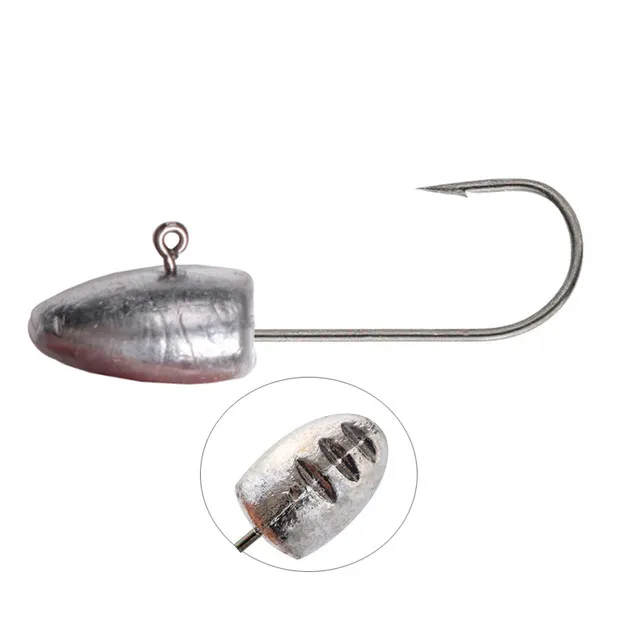 Best SellerFish Head Jig Hook Original Color 2g-20g$8.99
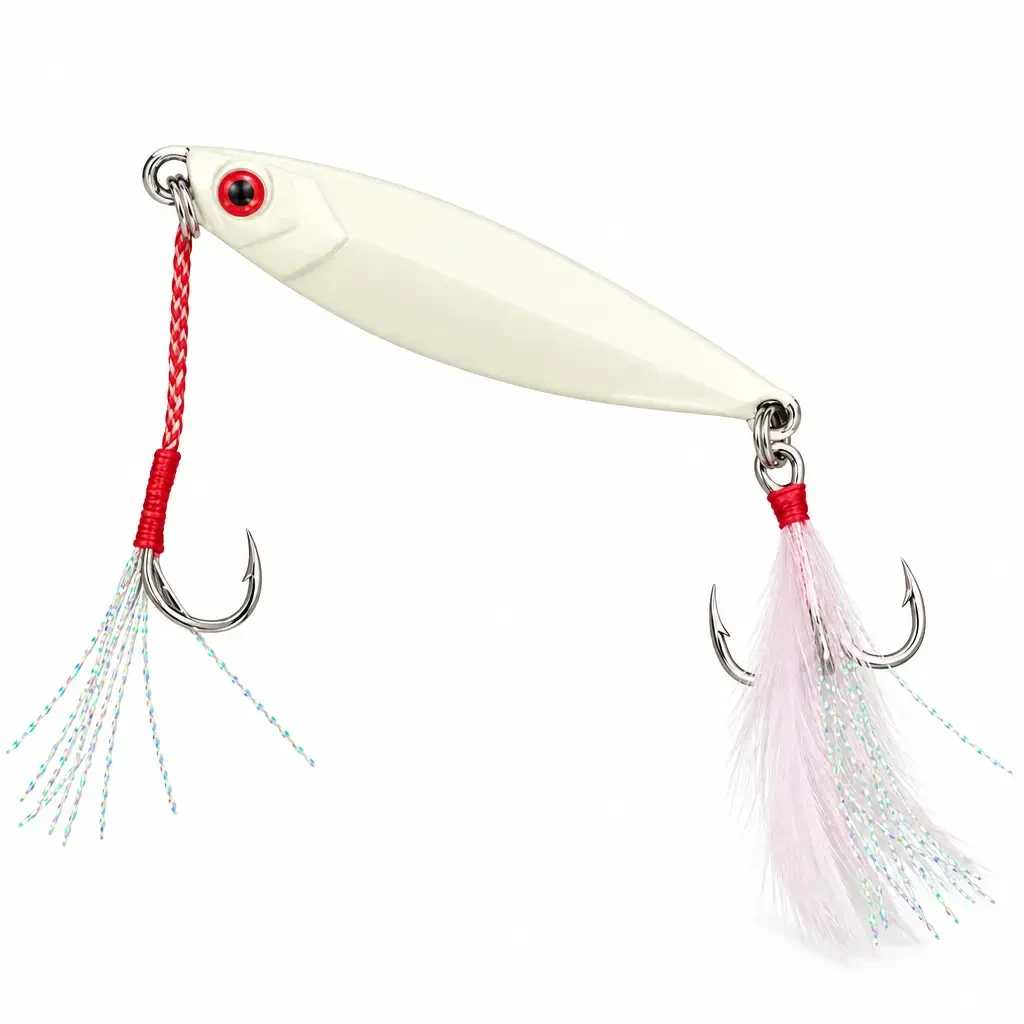 Glow Jig 7g-60g Slow Shaking Shore Cast Metal Bait$8.99
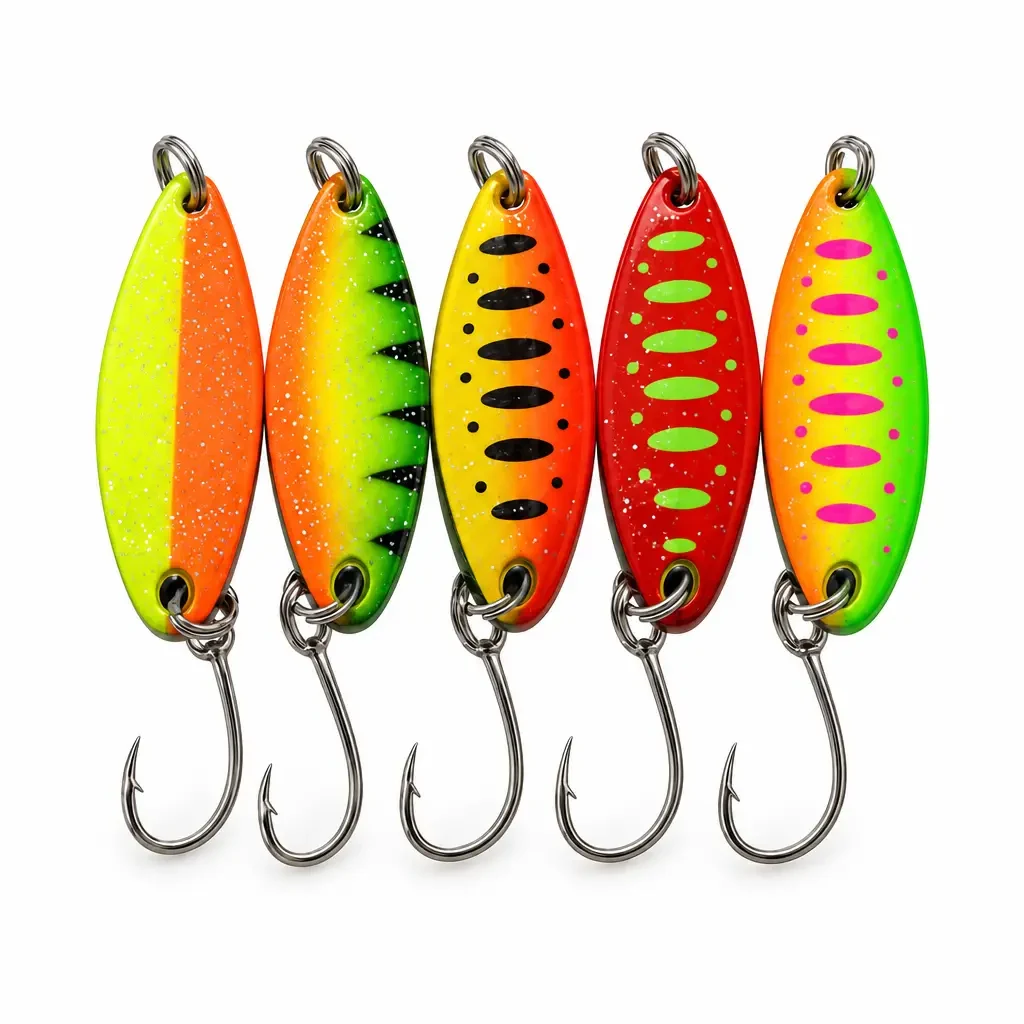 Small Spoon Lure 3.5g Single Hook (Pack of 5)$11.99
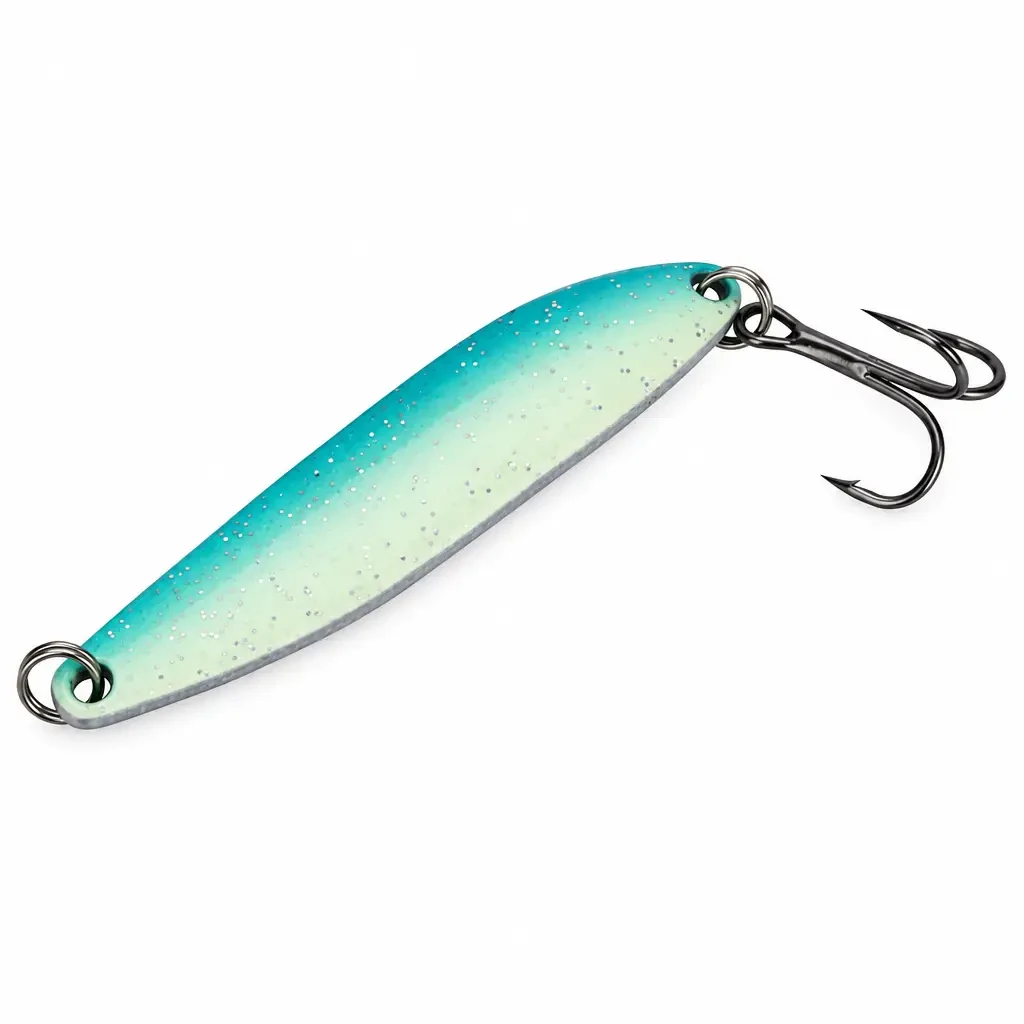 Glow Spoon Lure Willow Leaf 6.5cm 13g Dual Color$8.99
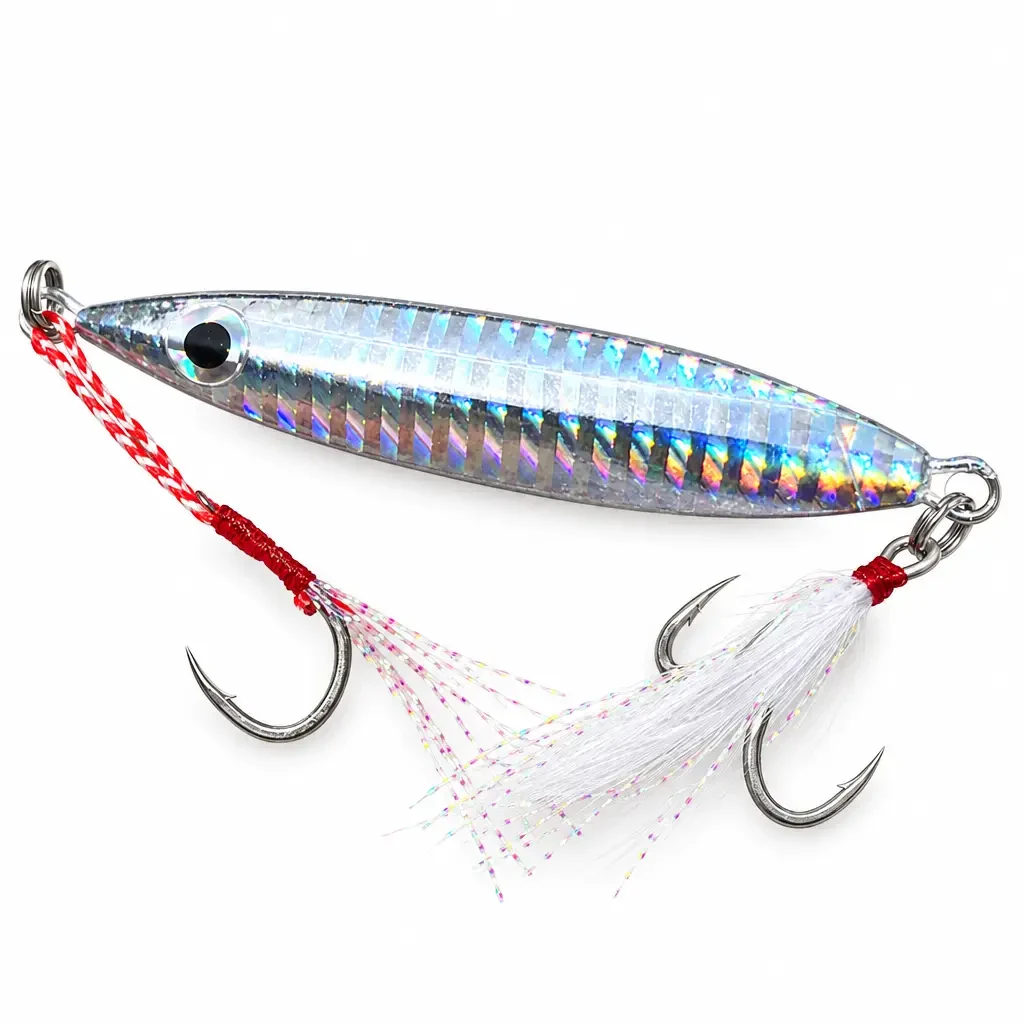 Slow Jig Lure 20g-60g Long Cast With Feather Hook$9.99
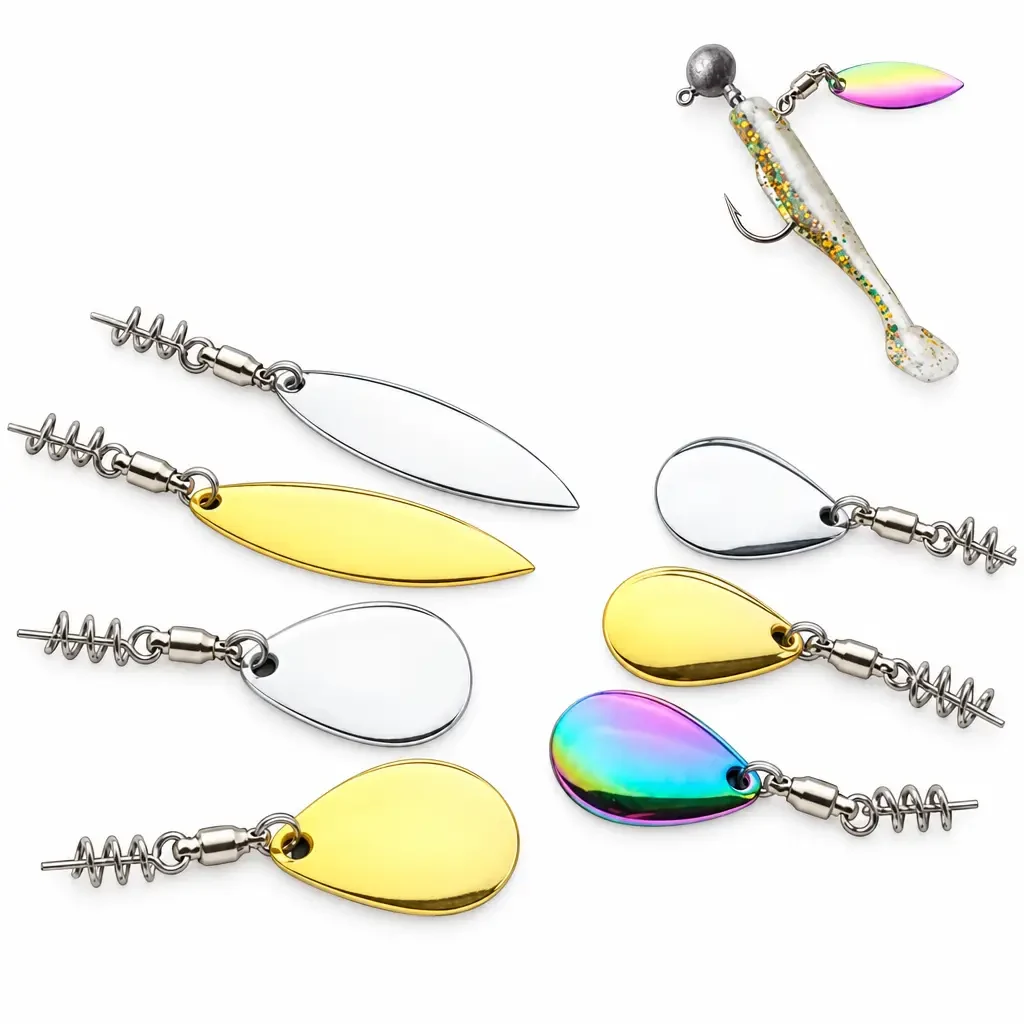 Willow Leaf Spinner Blade Water Drop (Pack of 4)$6.99
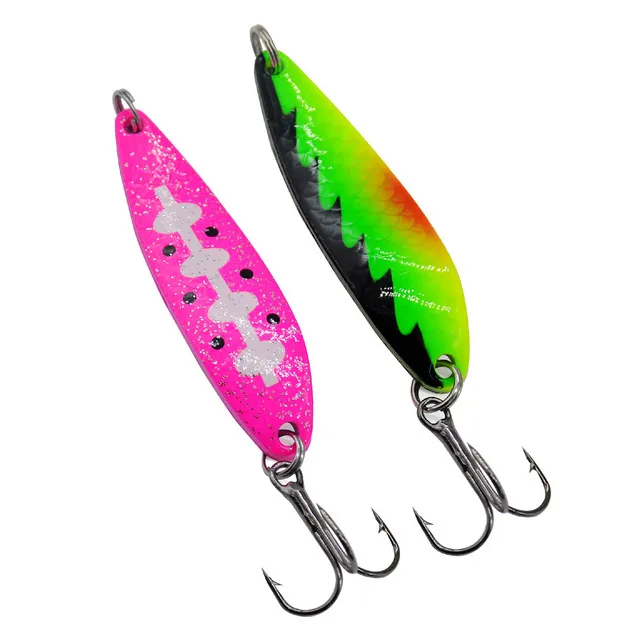 Curved Spinner Spoon Lure 10g 5.1cm (Pack of 2)$8.99
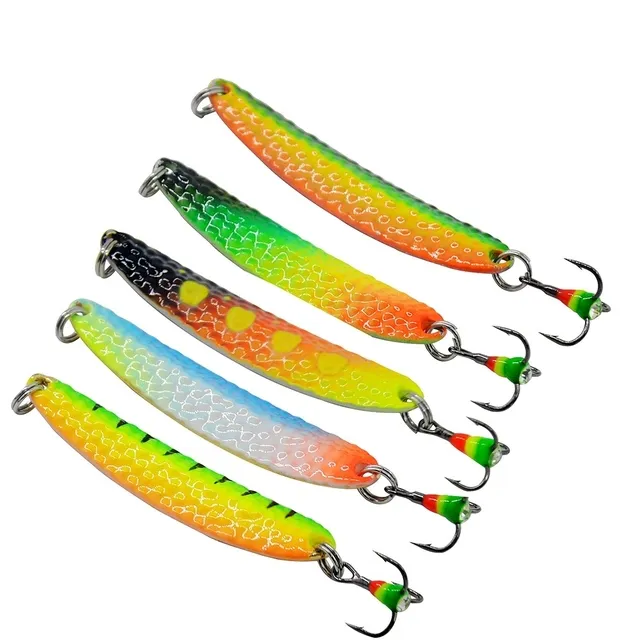 Ice Fishing Spoon 5g 10g Zinc Alloy for Trout$6.99
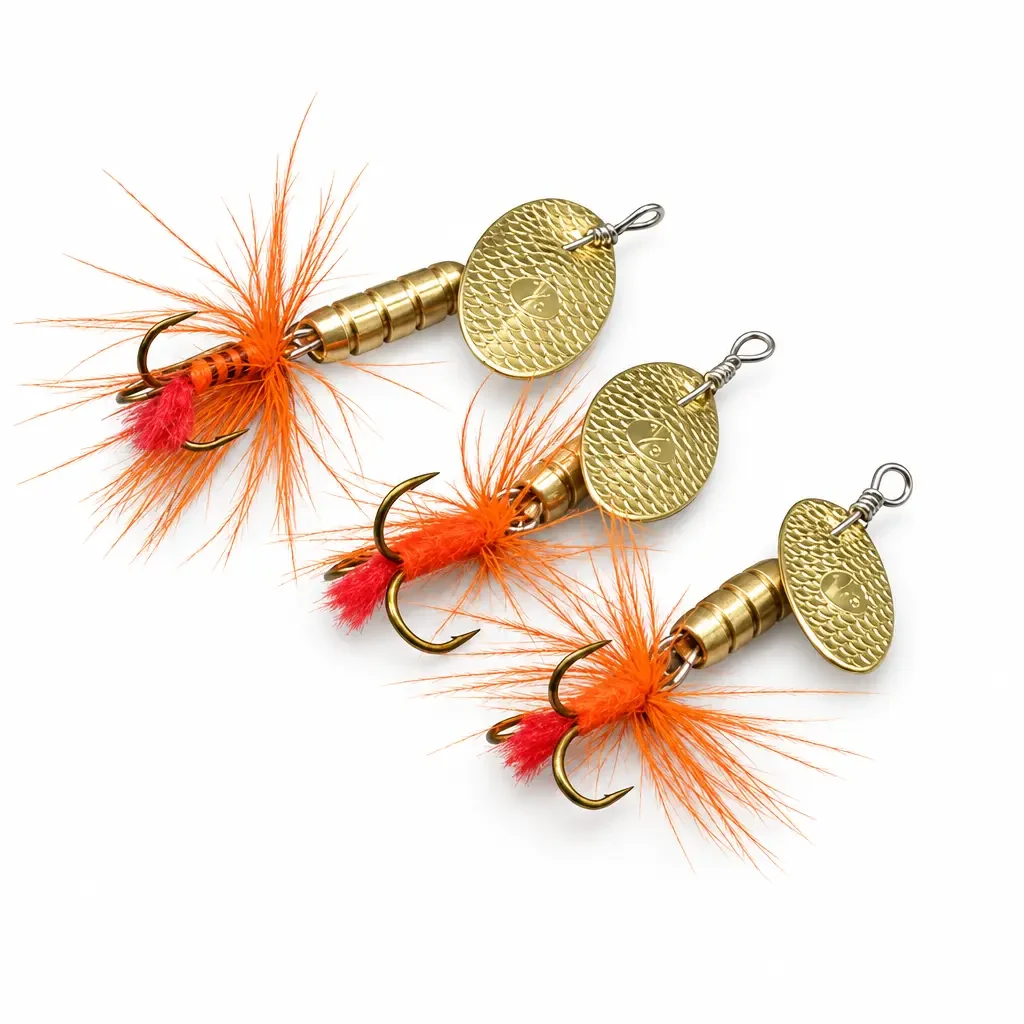 Spinner Jig 3-5.5g (Pack of 3)$10.99
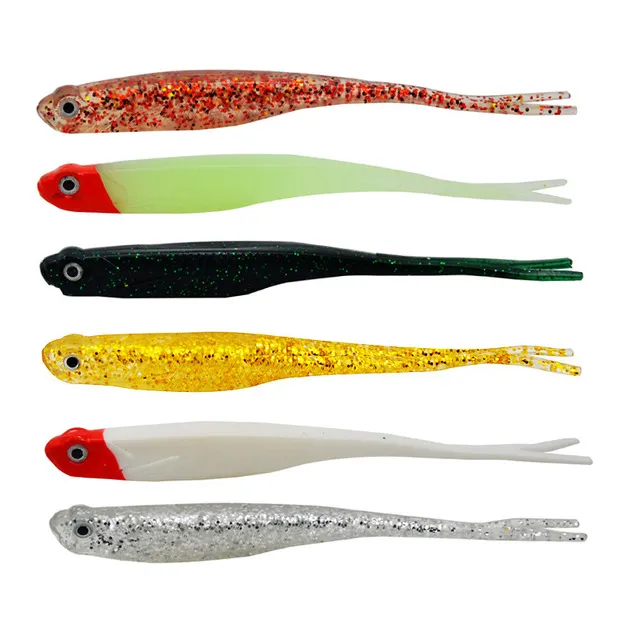 Fork Tail Swimbait Open Belly 13cm 8.4g (Pack of 4)$9.99
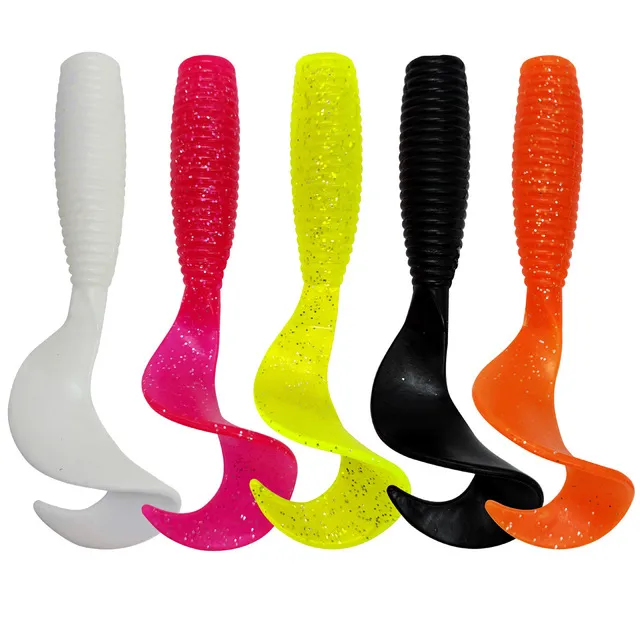 Rock Fishing Lure Trolling 50g$11.99
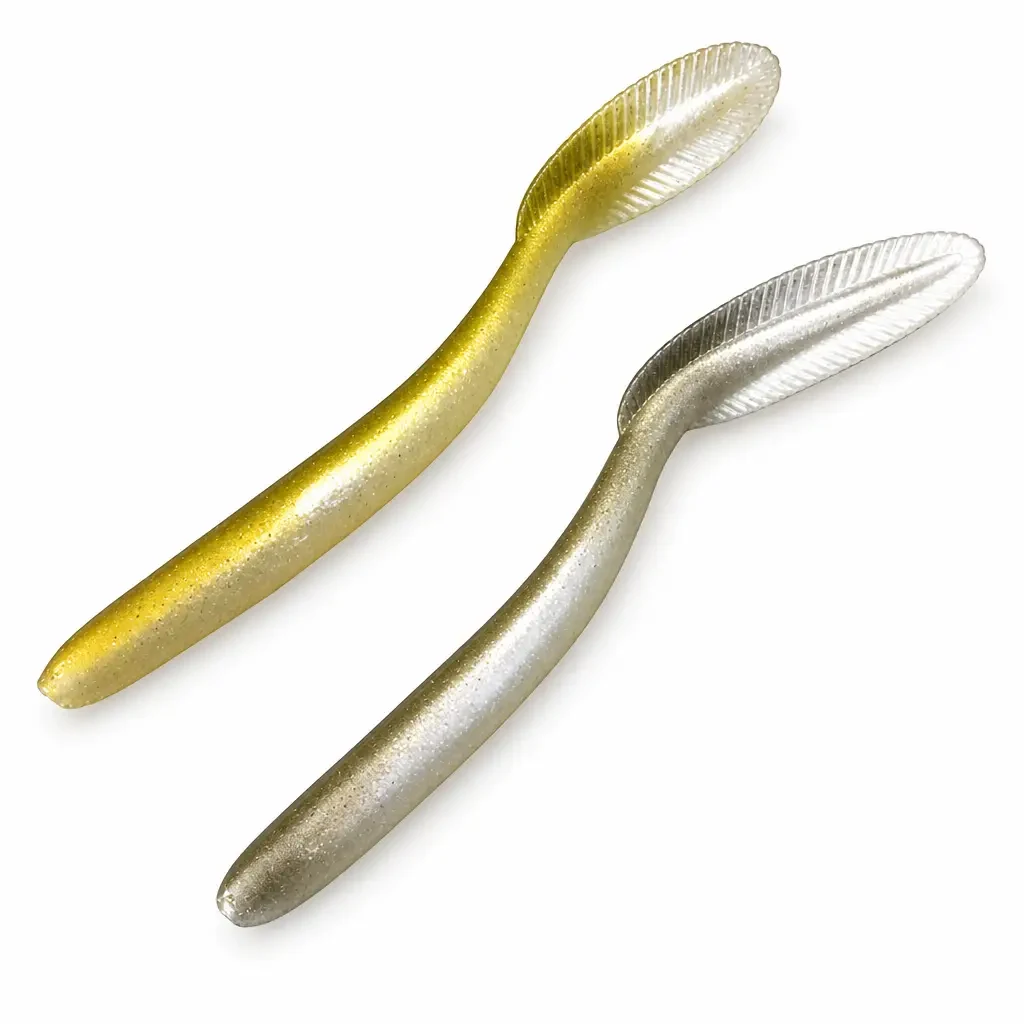 Eel Lure Ricefield Loach Soft Bait 12.5cm/16cm (Pack of 4)$7.99
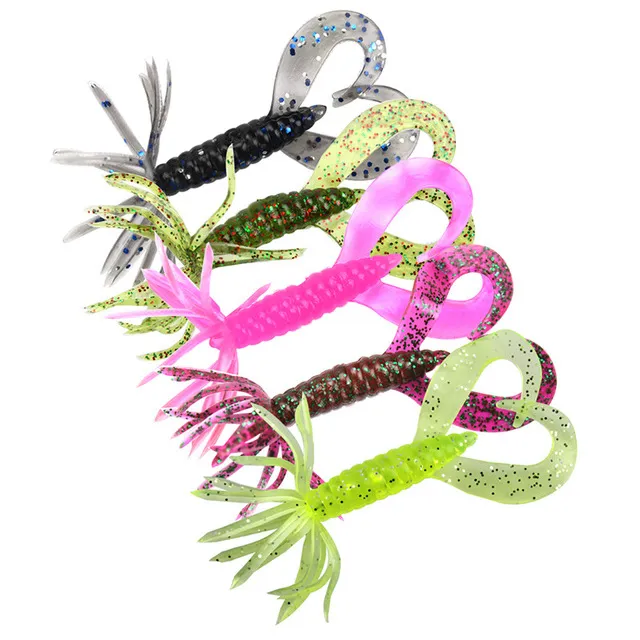 Double Tail Grub Umbrella Jig Head 6.5cm 1.8g (Pack of 5)$7.99
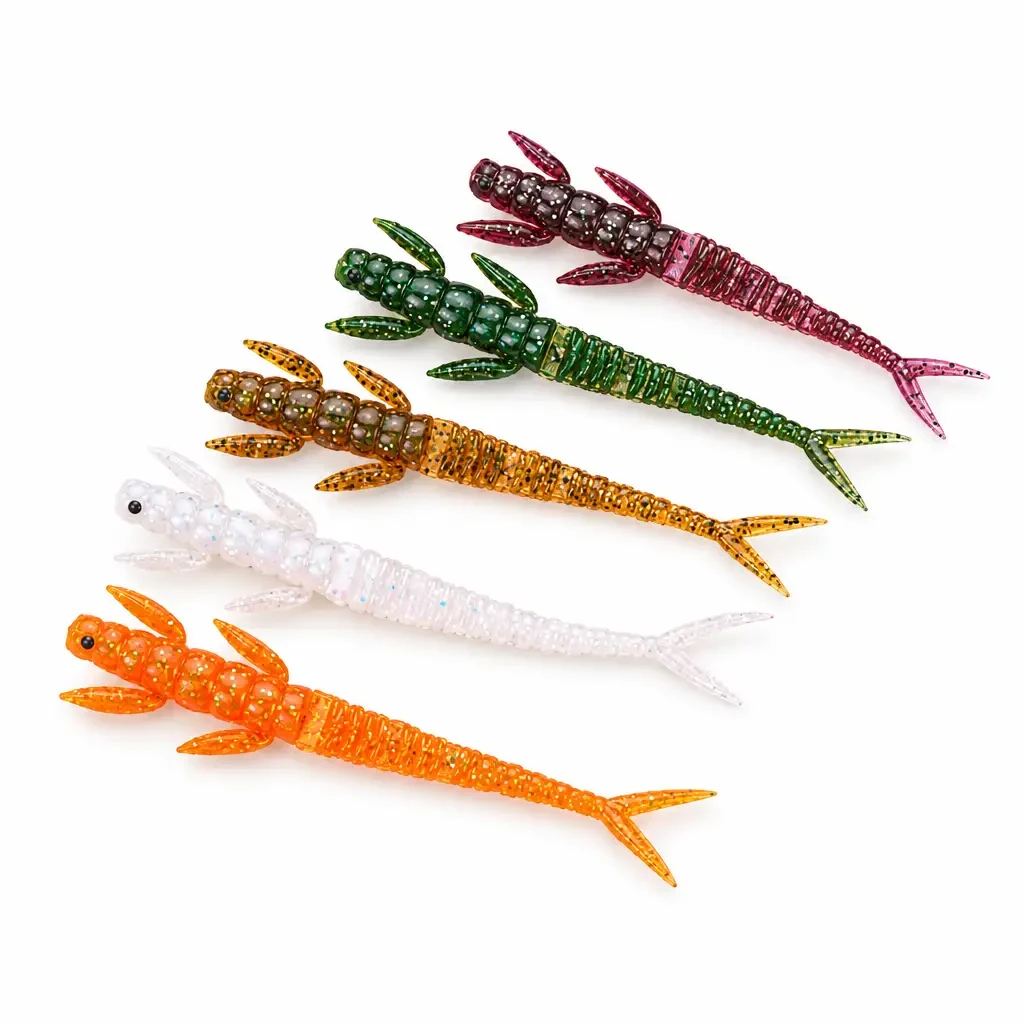 Swimming Worm Laser Glitter 7.3cm 1.3g (Pack of 5)$7.99
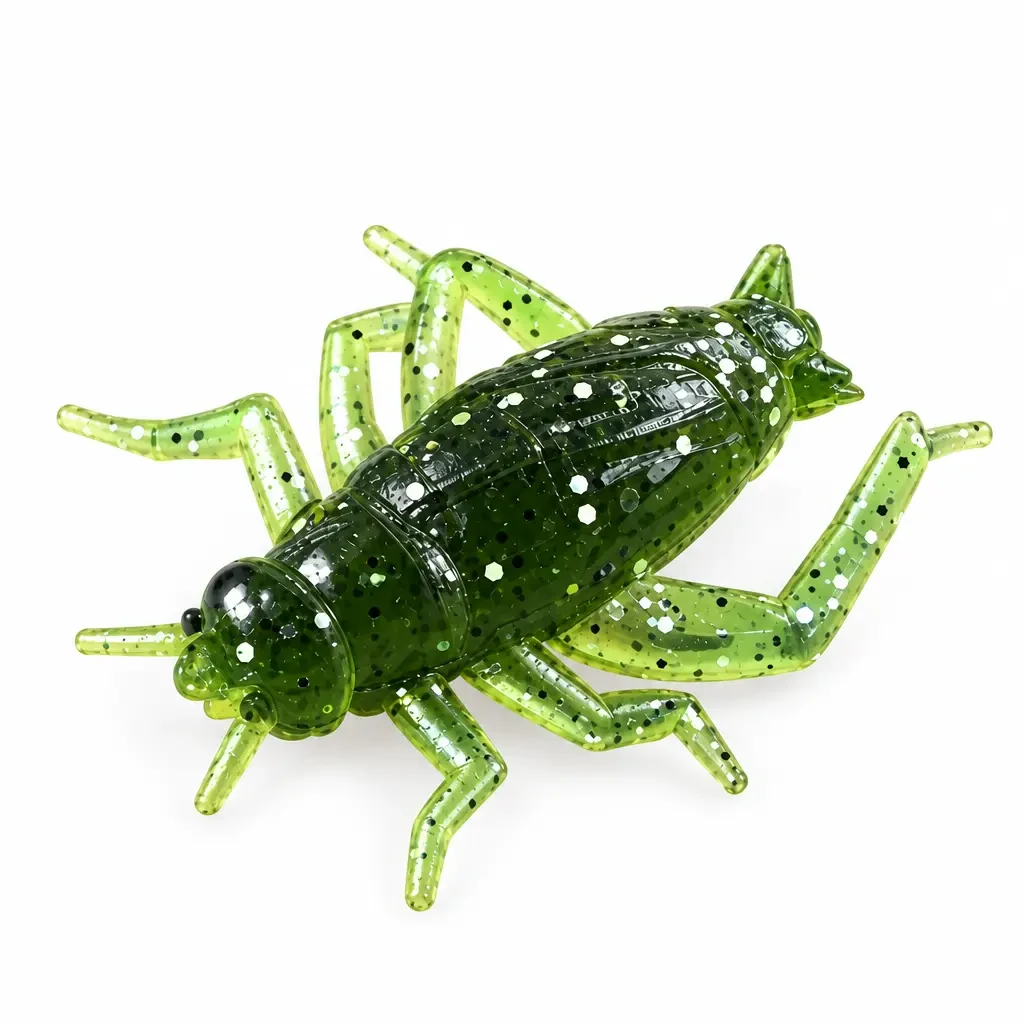
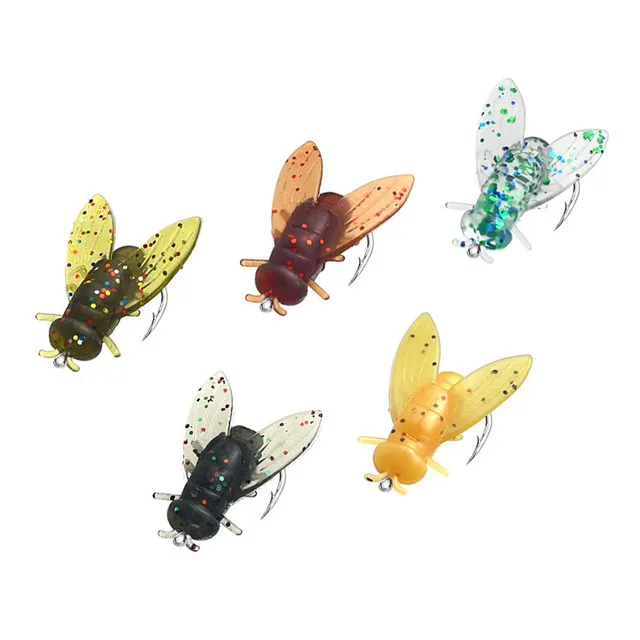 Soft Insect Fishing Bait Simulation Flies (Pack of 10)$5.99
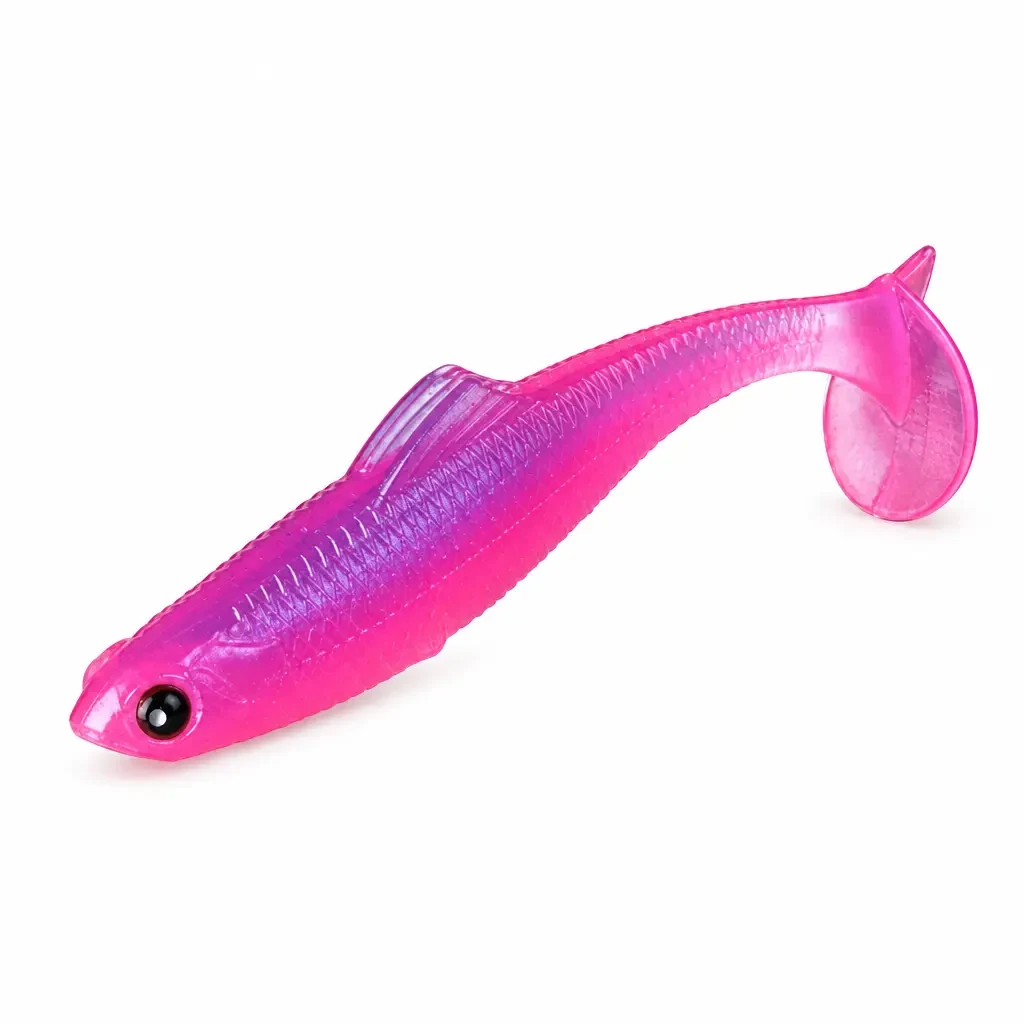 White Paddle Tail Slow Sinking Soft Worm 4-7cm$9.99
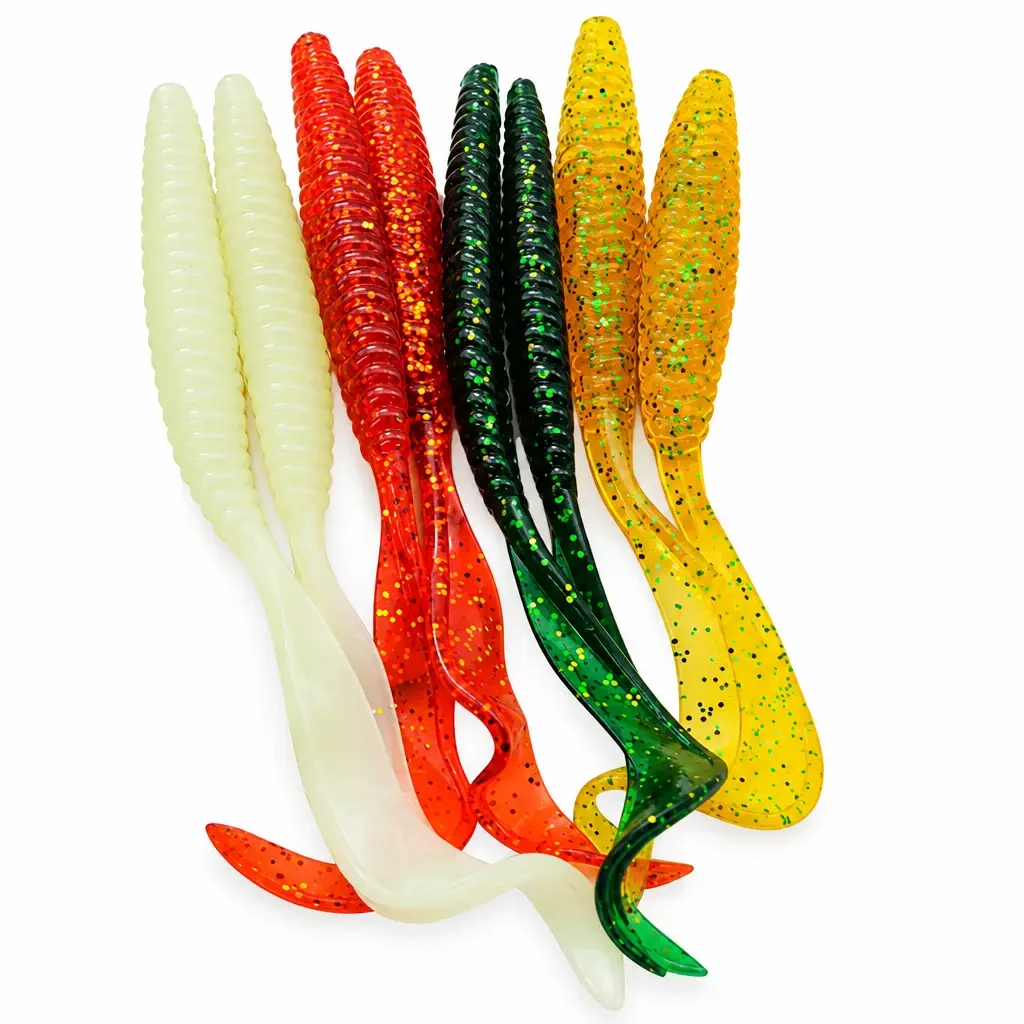 Long Curly Tail Grub 13cm 6g (Pack of 5)$10.99
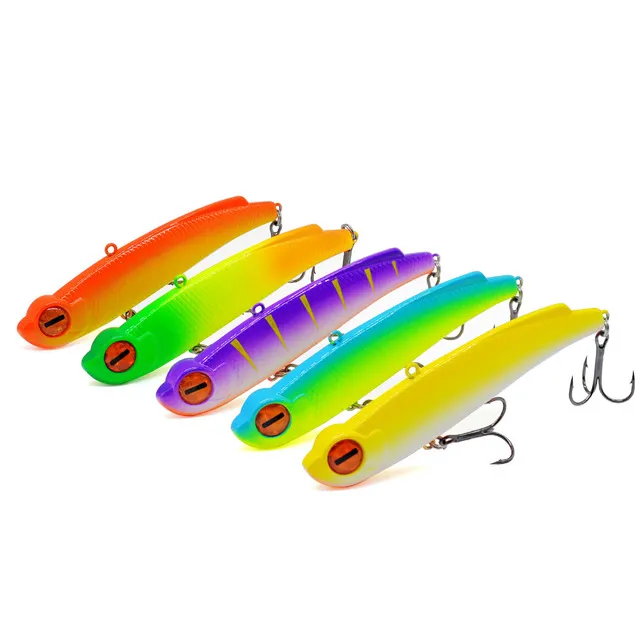 Long Cast Vibration Lure All Depth 30g 9.5cm$9.99
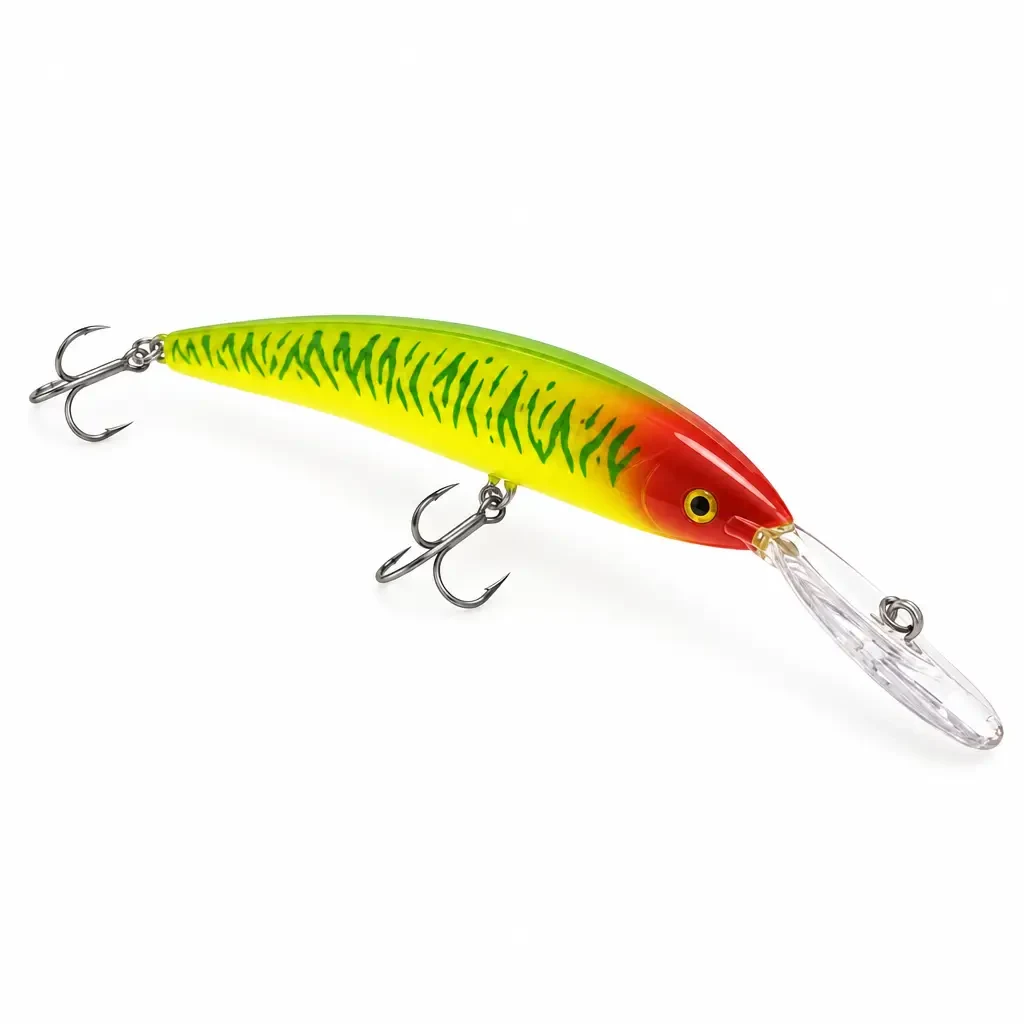
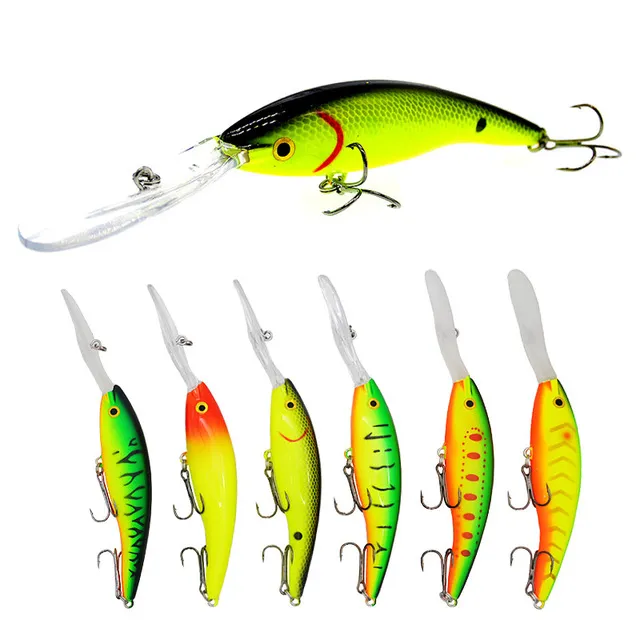 Plastic Jerkbait Long Lip Minnow 13.5cm 14g$7.99
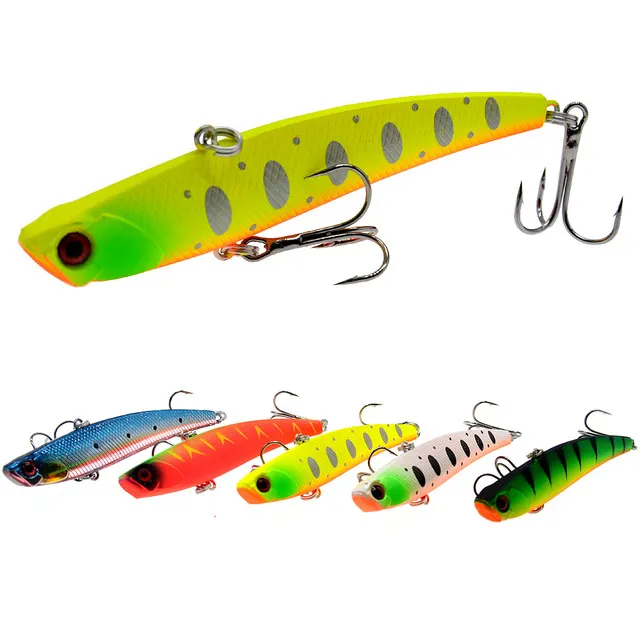 Vibration Lure Sinking Long Cast 25g 9.5cm$8.99
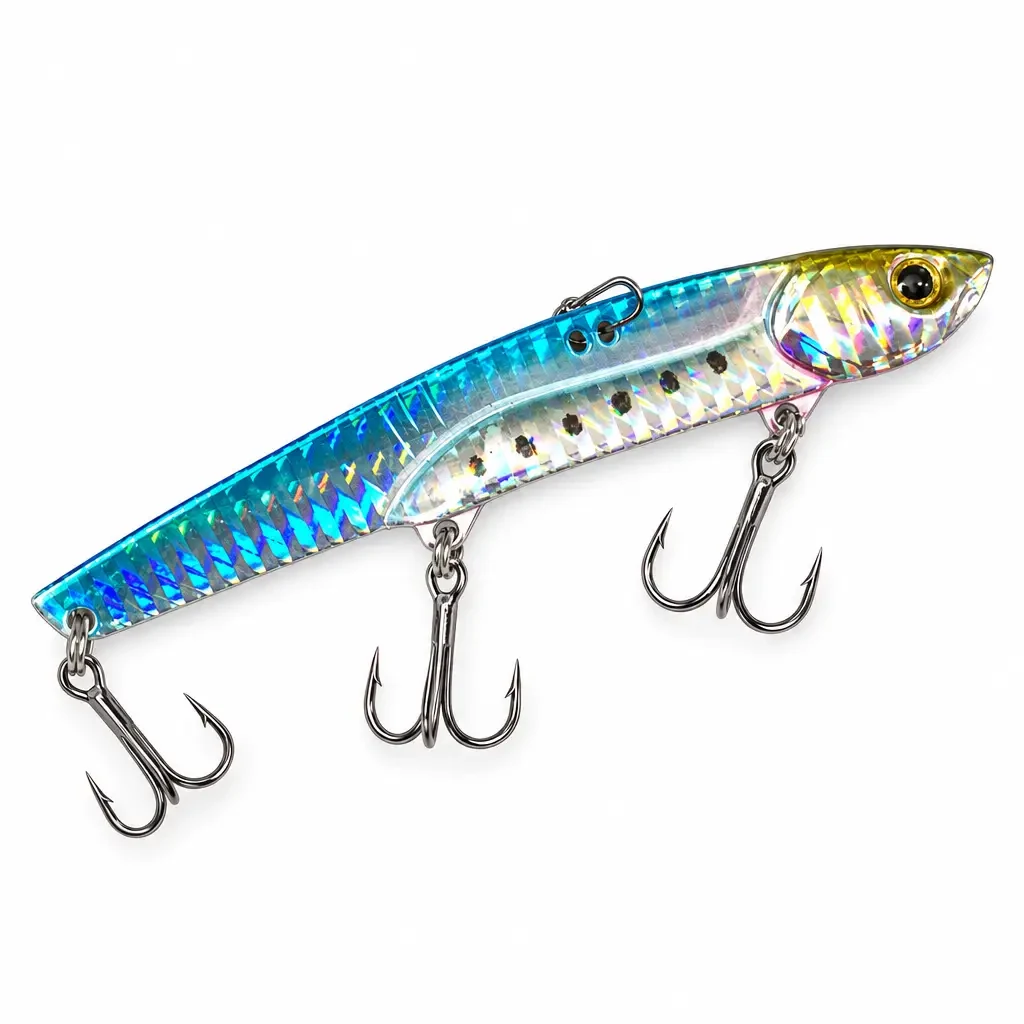 Saltwater VIB Lure Metal 15g 25g 35g$8.99
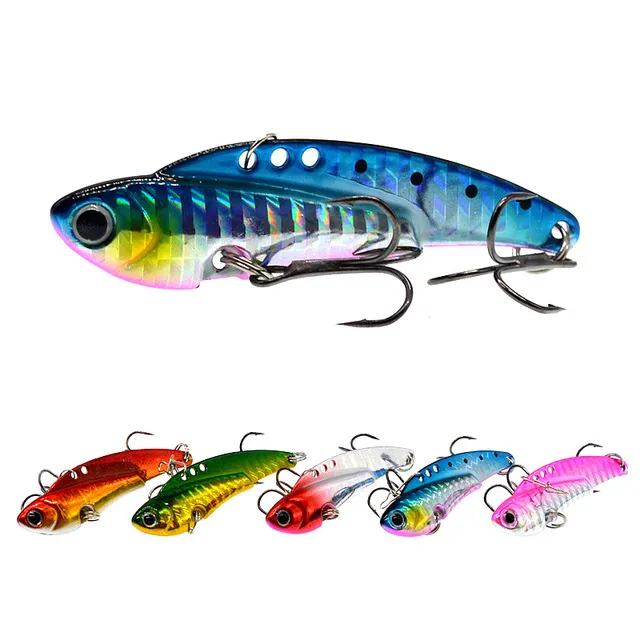 Blade Bait All Depth 20g 6cm$10.99
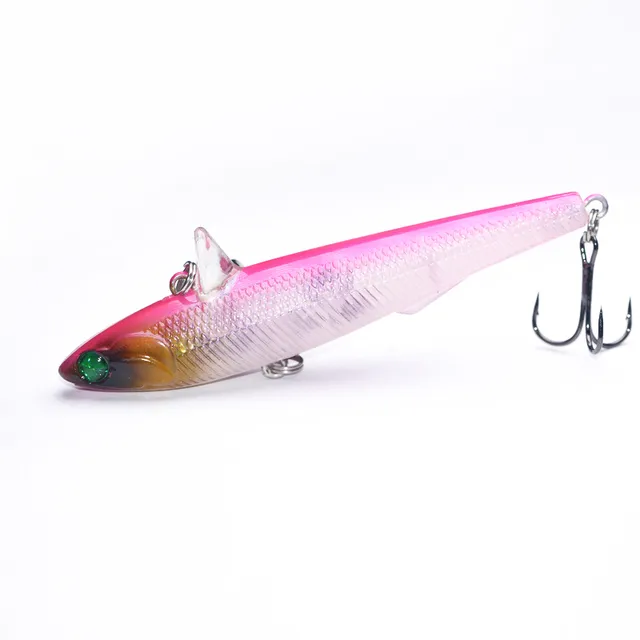 Rattle Bait Sinking VIB 9cm 14g$8.99
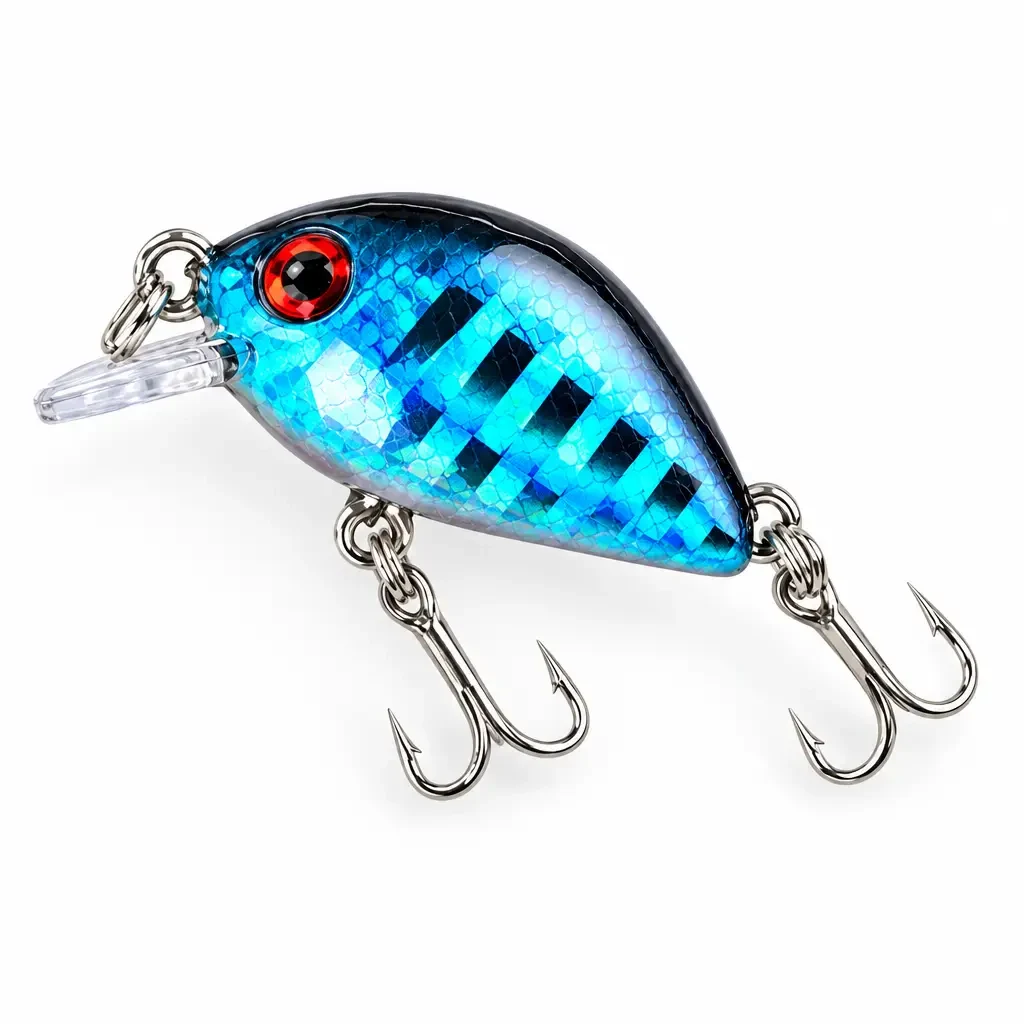
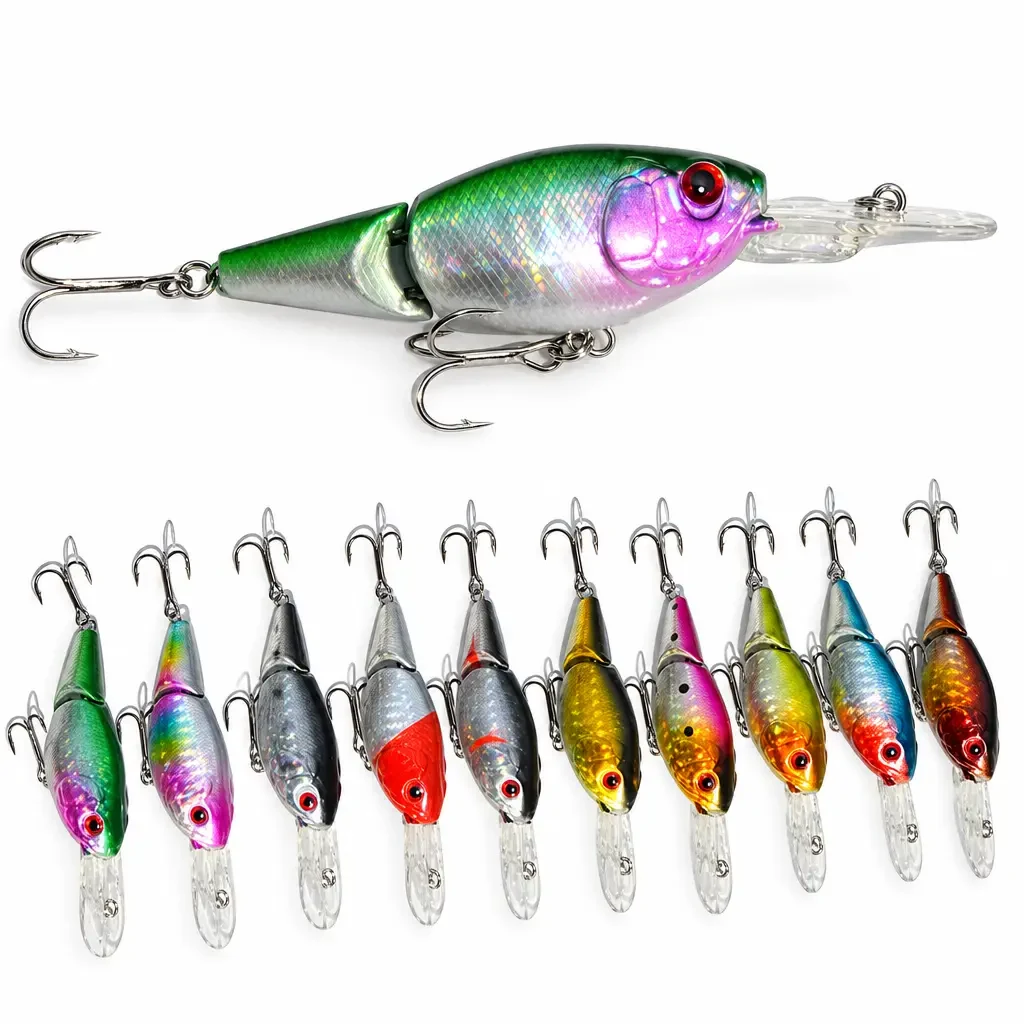 Jointed Crankbait Long Lip 2 Segment 9cm 10.5g$7.99
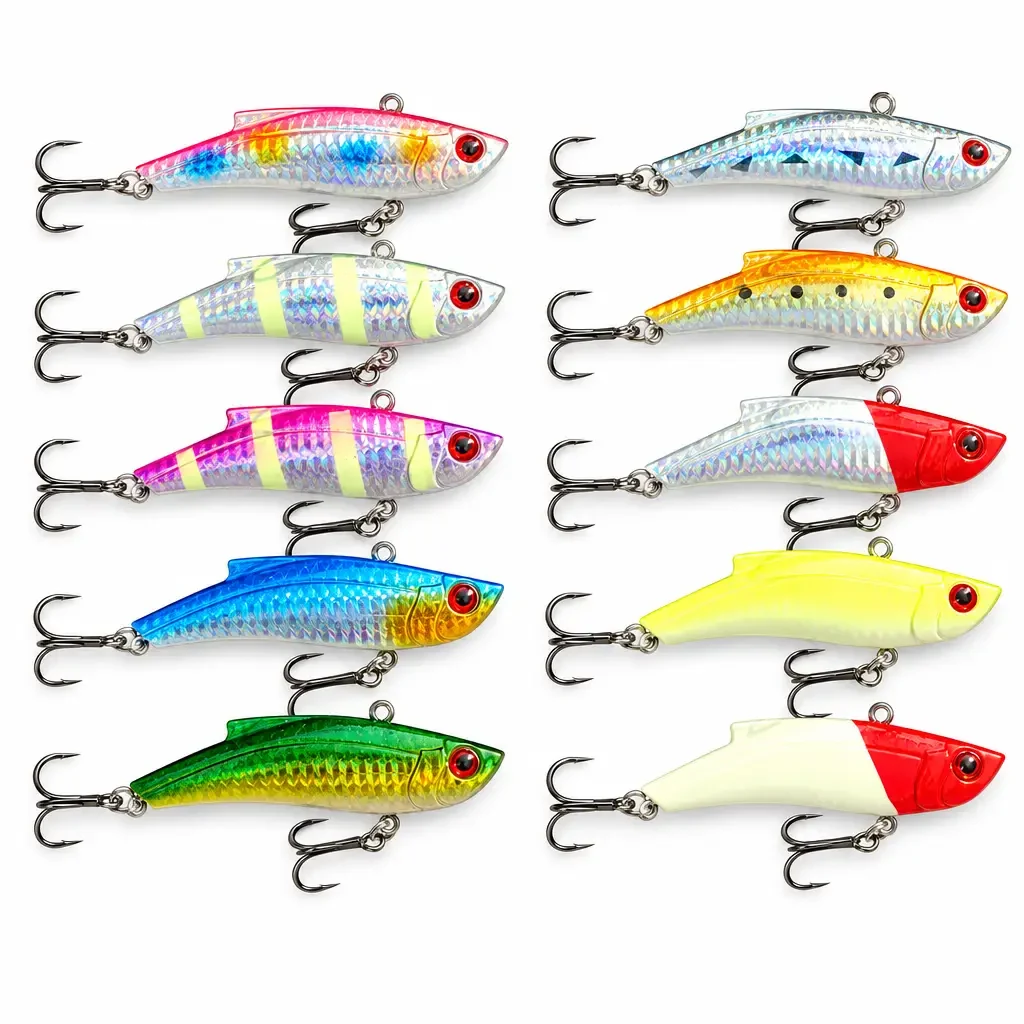 Hard Vibration Bait VIB Lure 15g 28g 35g$10.99
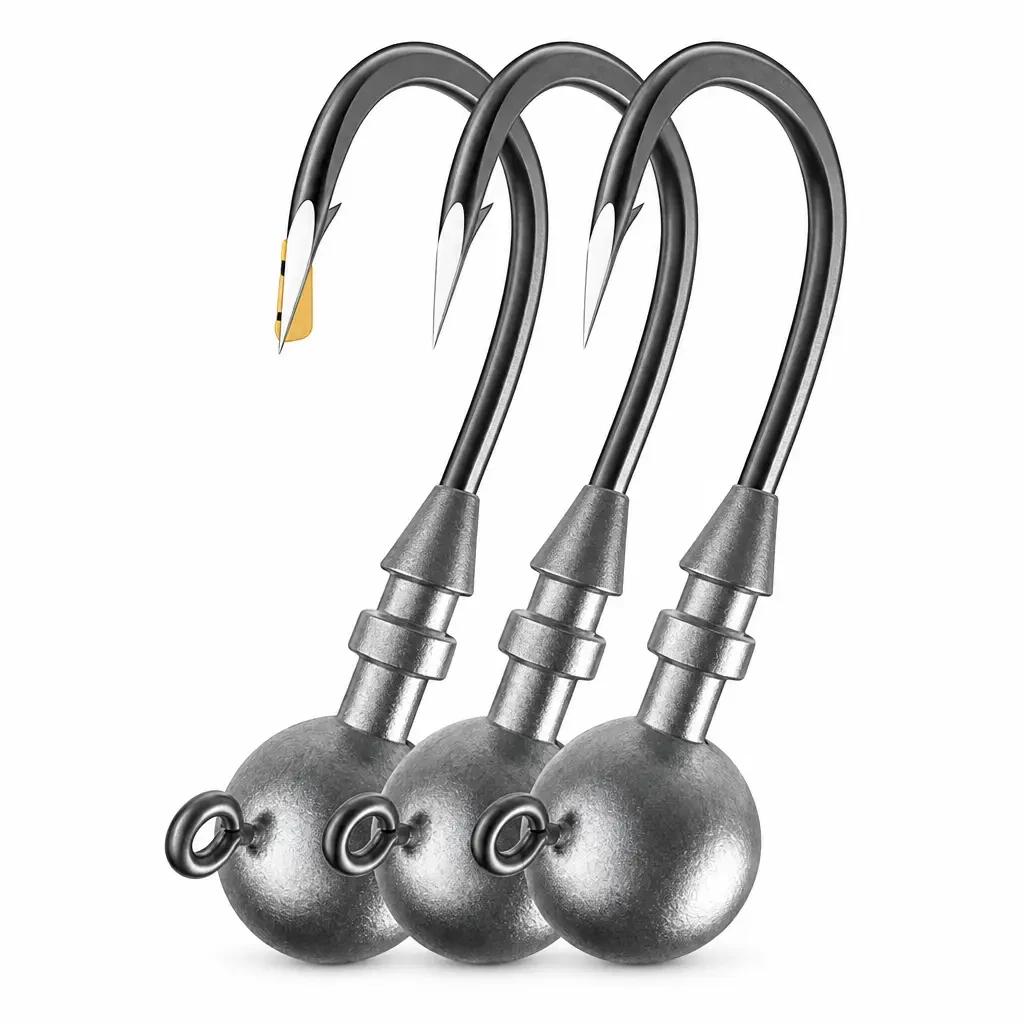 Triangle Jig Head 2g-20g Sharp Lock Hook$8.99
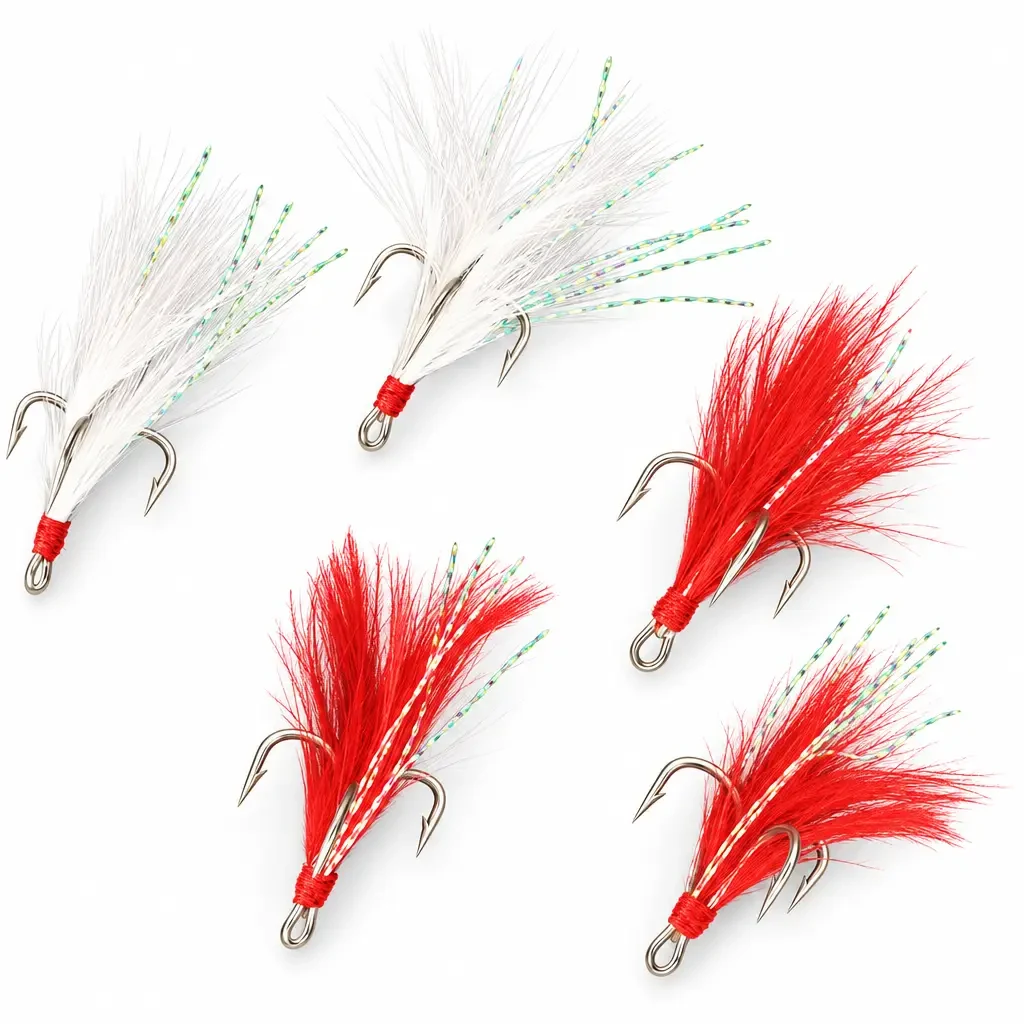 Treble Hook with Feathers Red White Size 2-10 (Pack of 5)$6.99
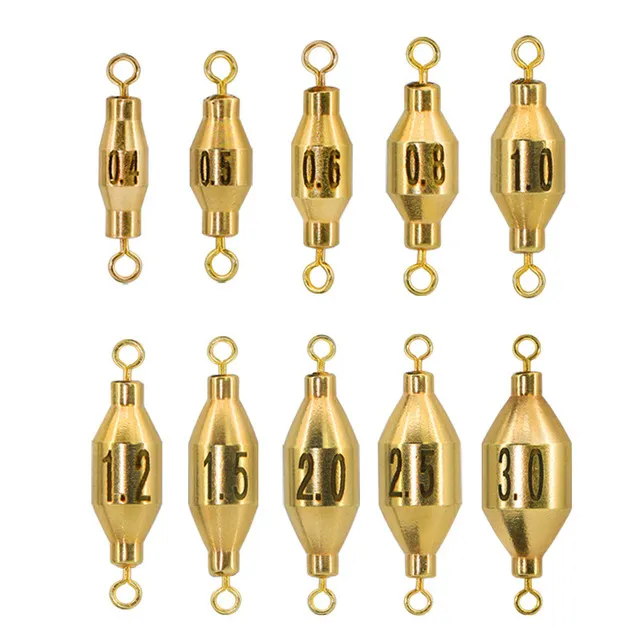 Brass Fishing Sinker with Two Swivels$6.99
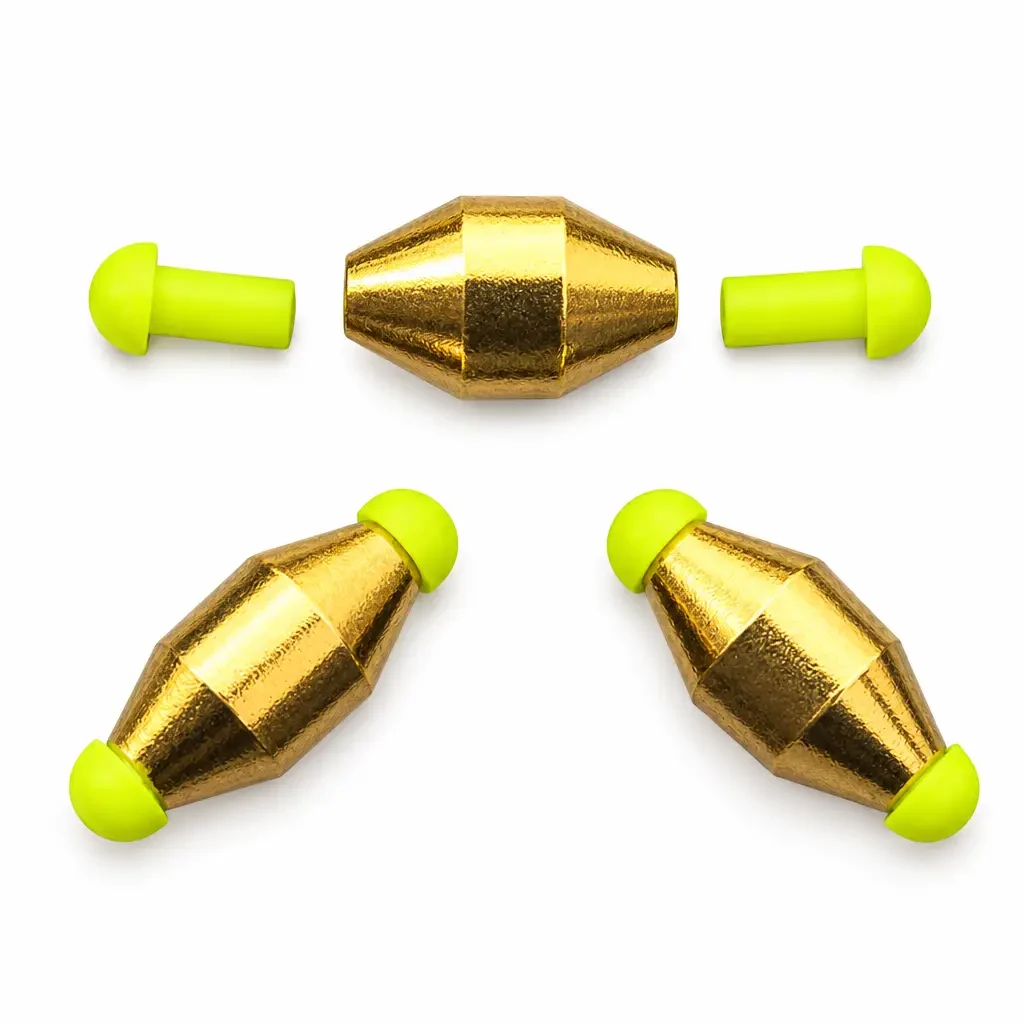 Copper Fishing Float Weight Balancer Gold (Pack of 5)$7.99
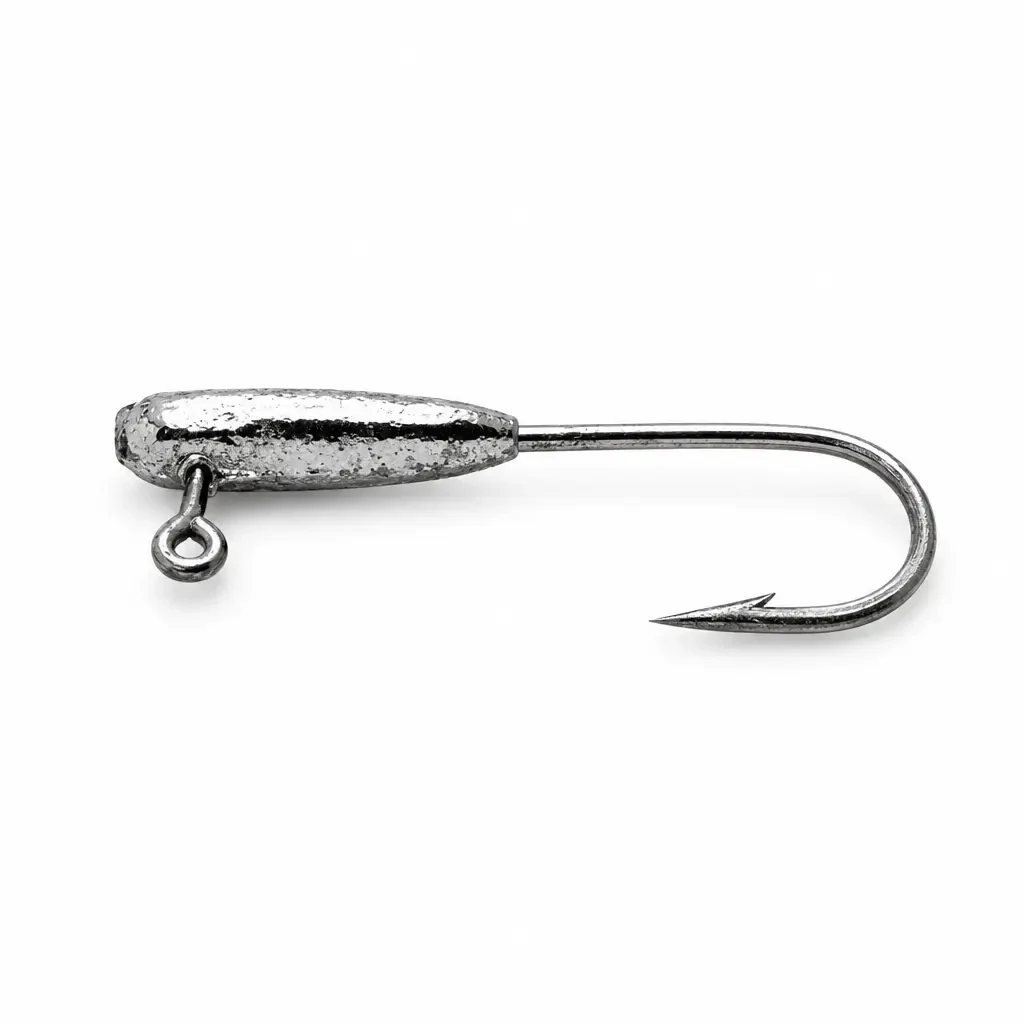 Small Jig Head 1g-5g Texas Rig Hook (Pack of 10)$7.99
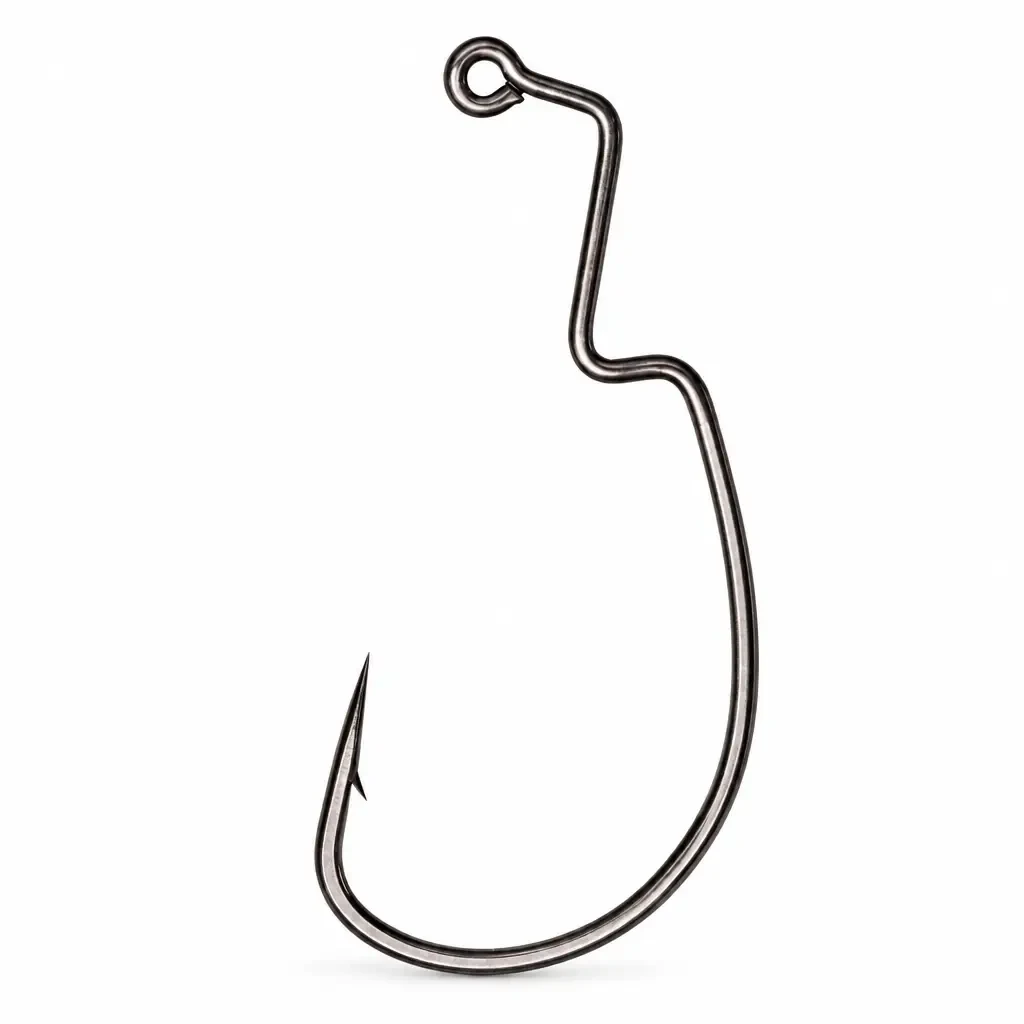 Drop Shot Hook Long Shank Wide Belly (Pack of 10)$7.99
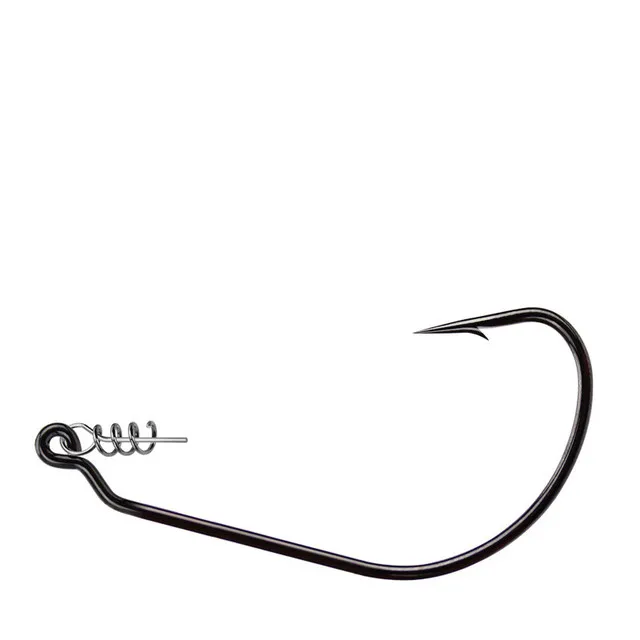 Soft Plastic Worm Hook with Lock (Pack of 10)$5.99
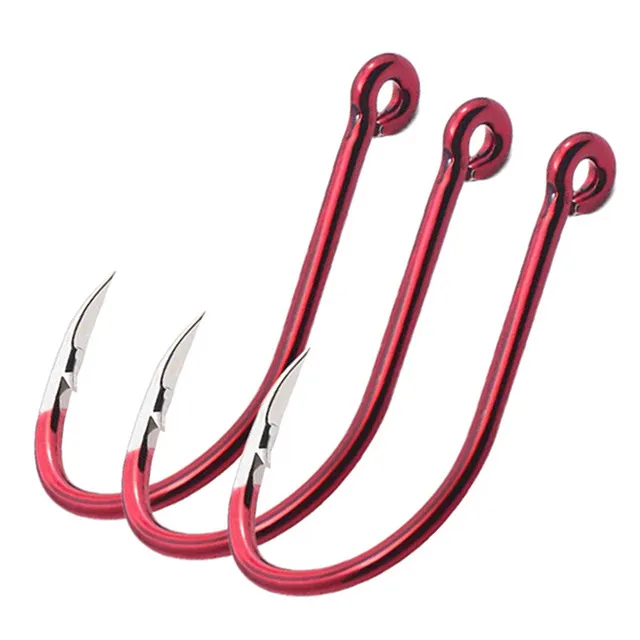 Bass Hook Needle Point Barbed Bend Mouth (Pack of 10)$5.99
Start from where and how you fish. Each style opens the range that suits it.
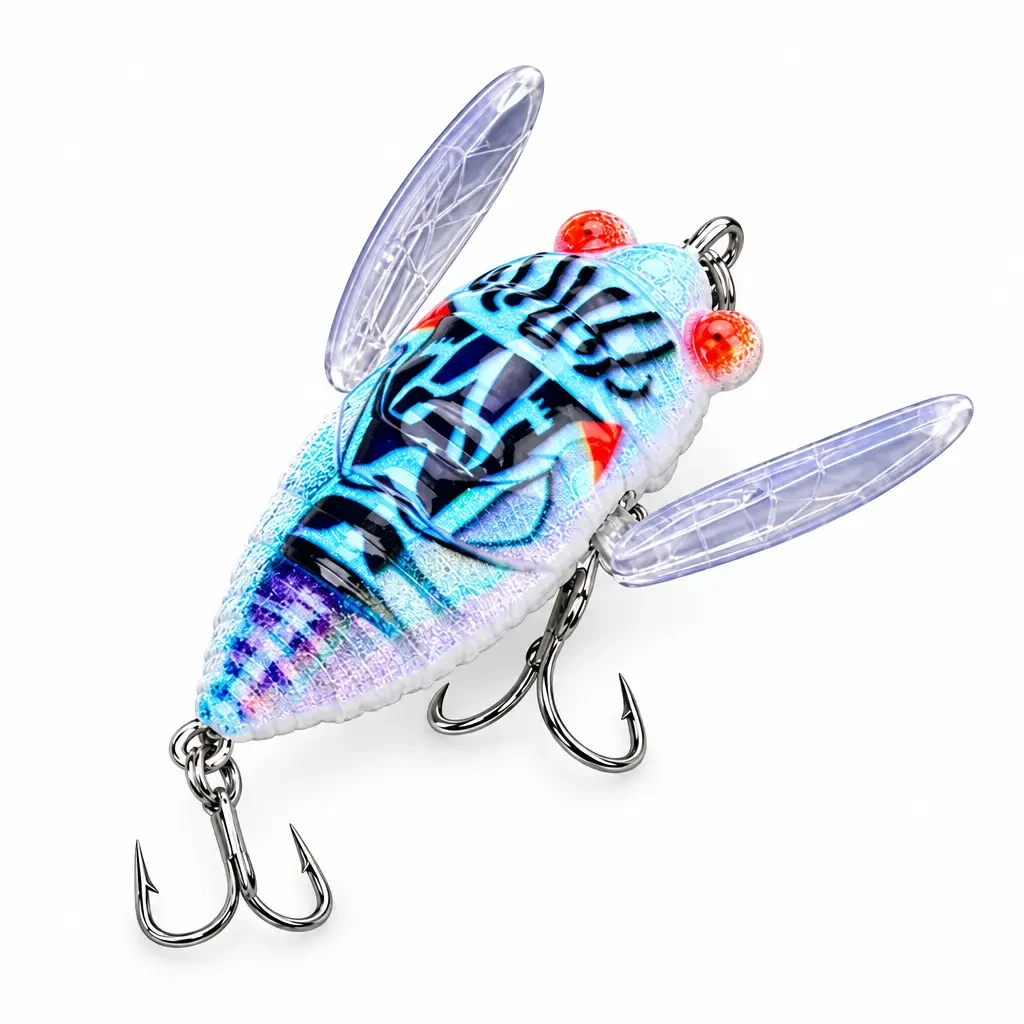
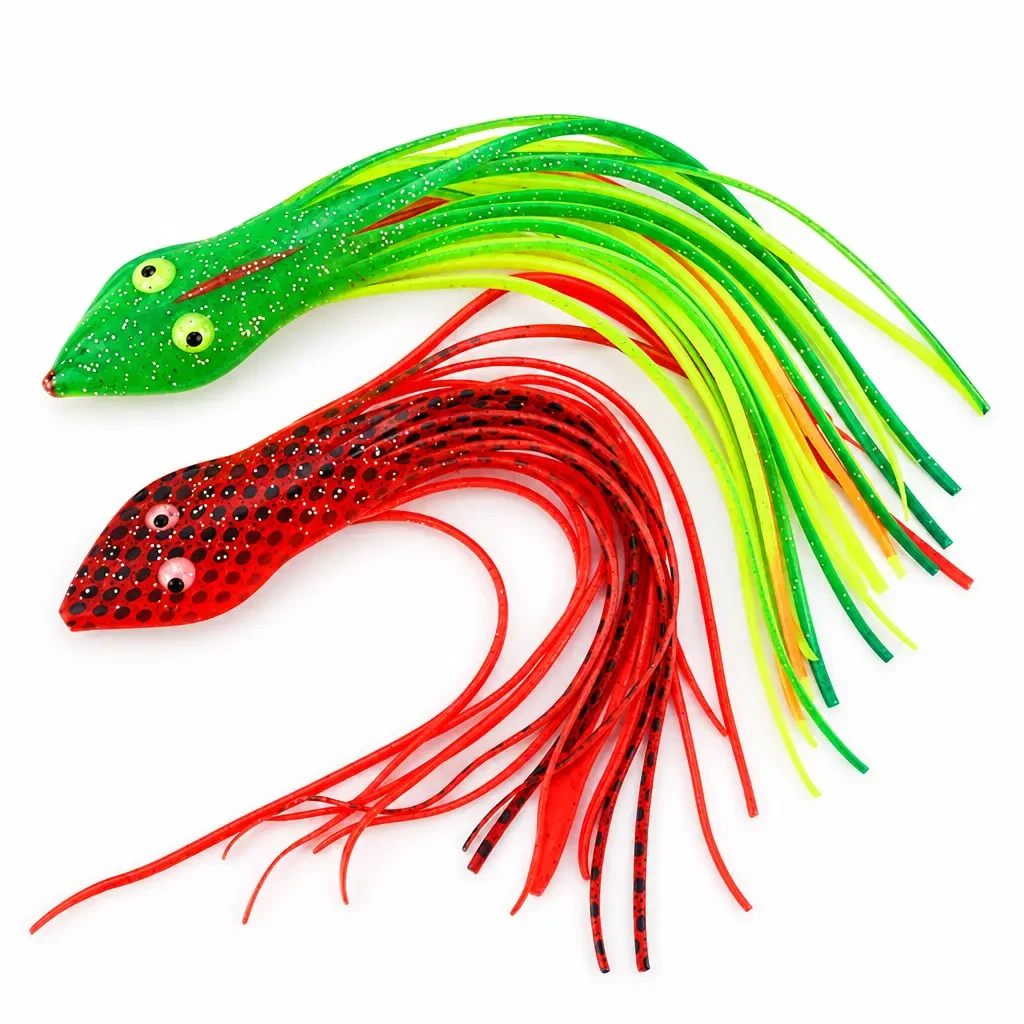
We stock metal jigs, soft baits and hard lures for the sea, lakes and rivers, in weights from 2g to 60g.
Learn more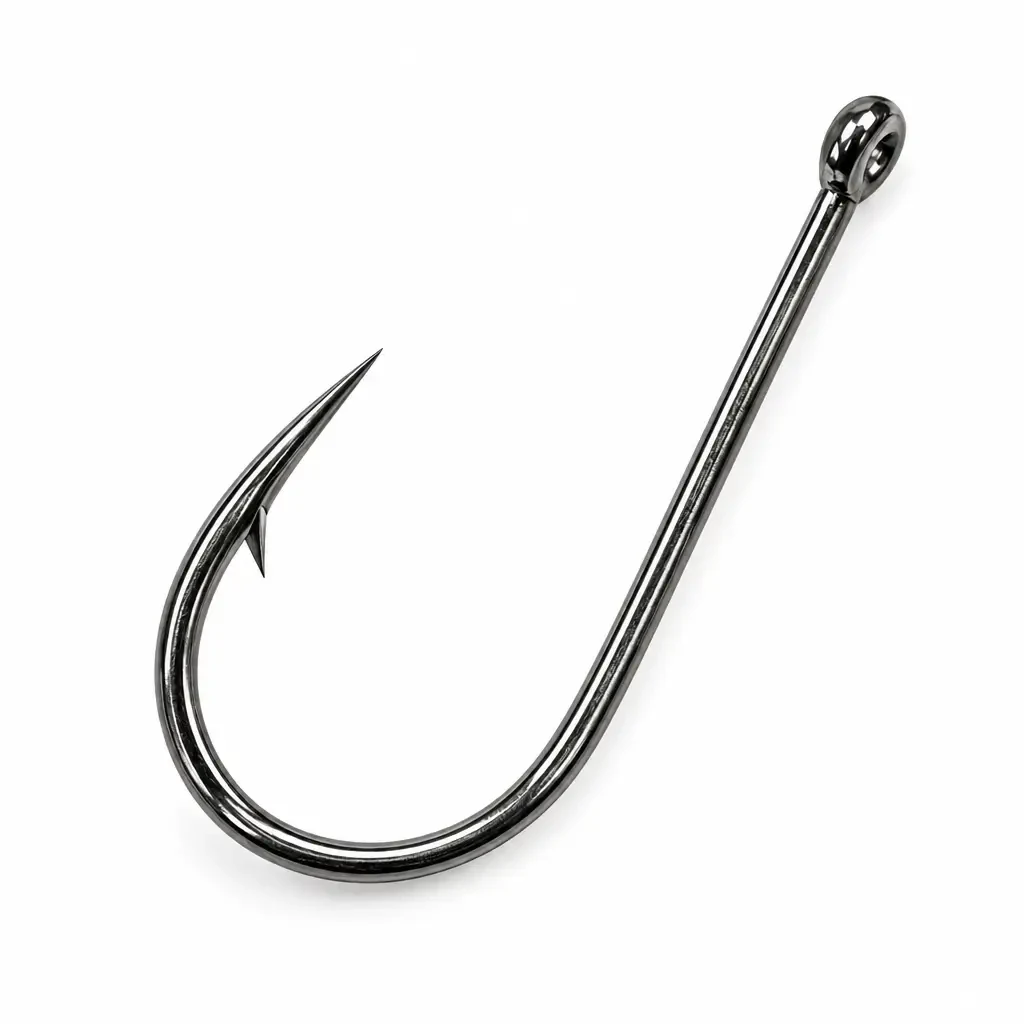
Snaps, swivels, split rings, line and boxes: the small parts that keep a rig together and the kit sorted.
Learn moreWe put lures, terminal tackle, line and tools in one shop, so a full tackle box refill goes in one basket.
Learn moreThe right lure depends on three things: the depth where the fish feed, the species on the line and the casting distance. We group our range in the same order below. Start with the lure type, then match the jig head, line and terminal tackle to it.
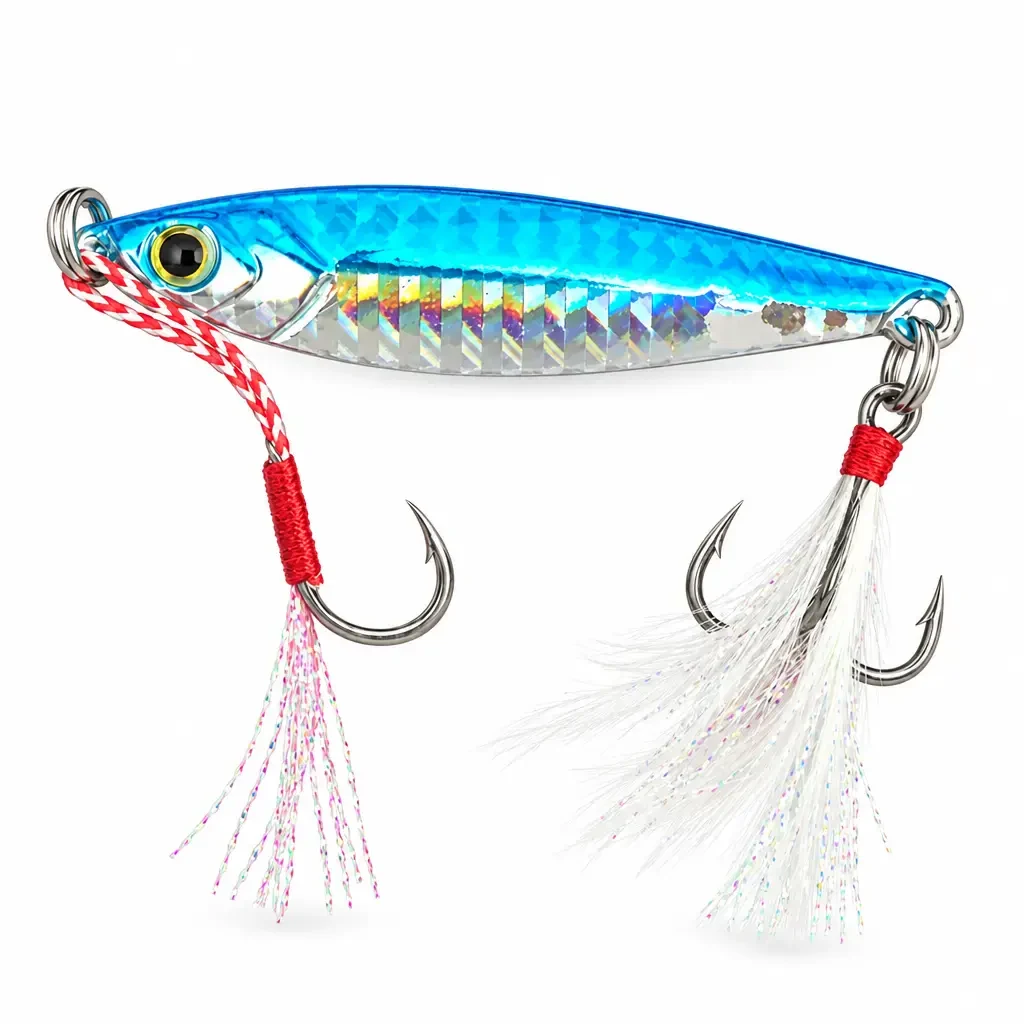
A metal jig is a dense, narrow piece of metal with a hook at one or both ends. It casts further than any other lure of the same weight and sinks fast, so it reaches fish that hold deep, far out or under strong current. Shore anglers often use jigs of 20g to 40g. A heavier jig suits deep water and strong tide, and a lighter one suits shallow water and slow retrieves. Slow pitch jigs flutter and glide as they fall, while long, thin speed jigs drop straight down and suit a fast, rhythmic retrieve. Glow and holographic finishes add flash in deep or coloured water.
Shop metal jigsJigging is a vertical method. Let the jig sink to the bottom on a tight line, then lift the rod tip sharply and let the jig fall back. Most bites come on the drop, so watch the line as it sinks. Short, fast lifts suit speed jigs, and slow, long sweeps of the rod suit slow pitch jigs. From the shore, cast the jig out, let it reach the bottom and work it back with lifts and pauses. Count the seconds of each drop to find the depth where fish take, then fish the jig at that depth again.
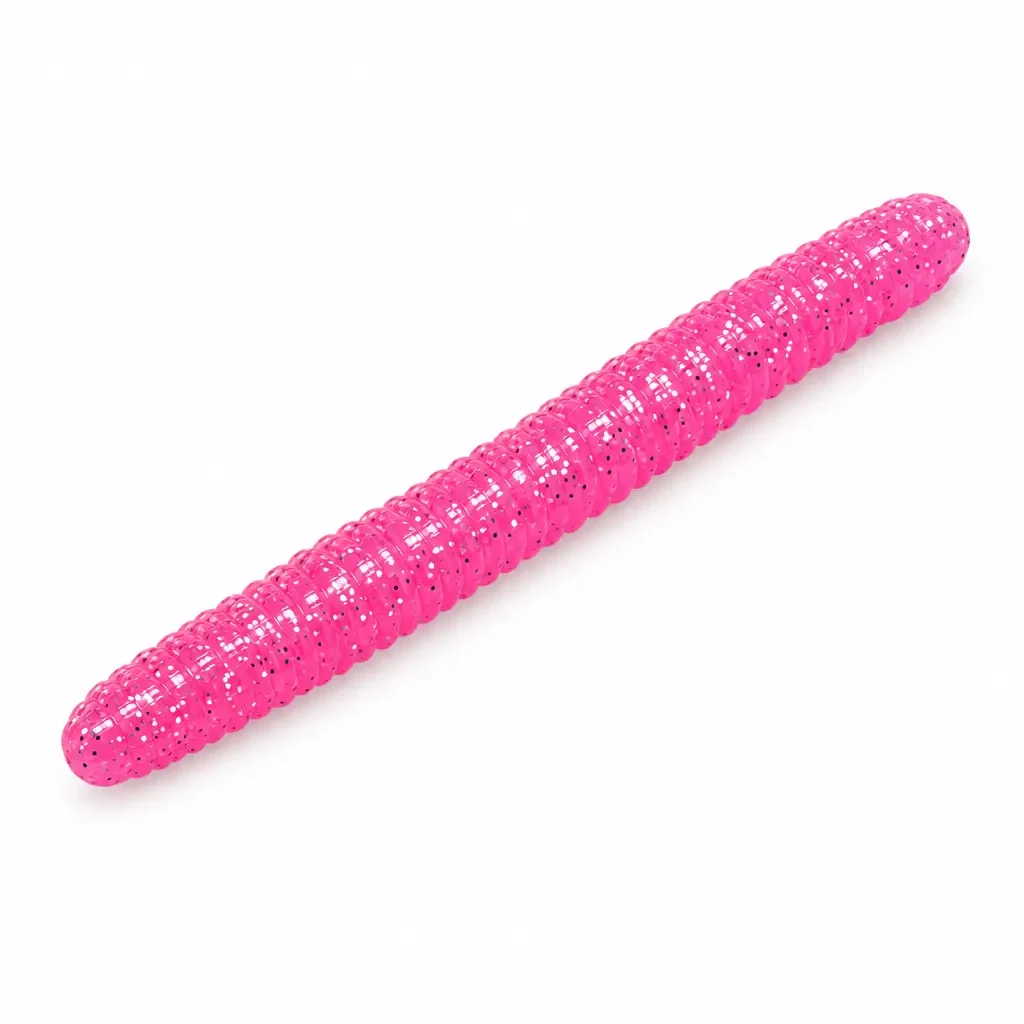
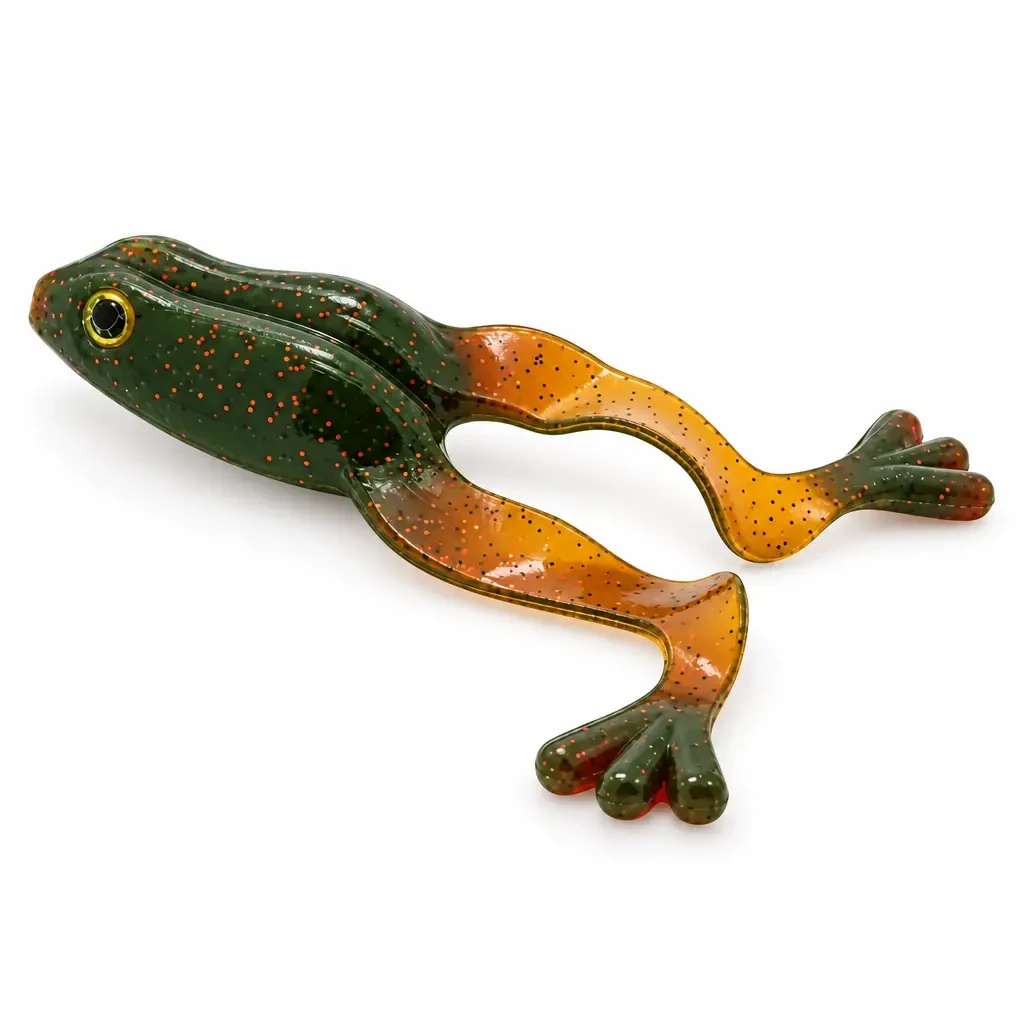
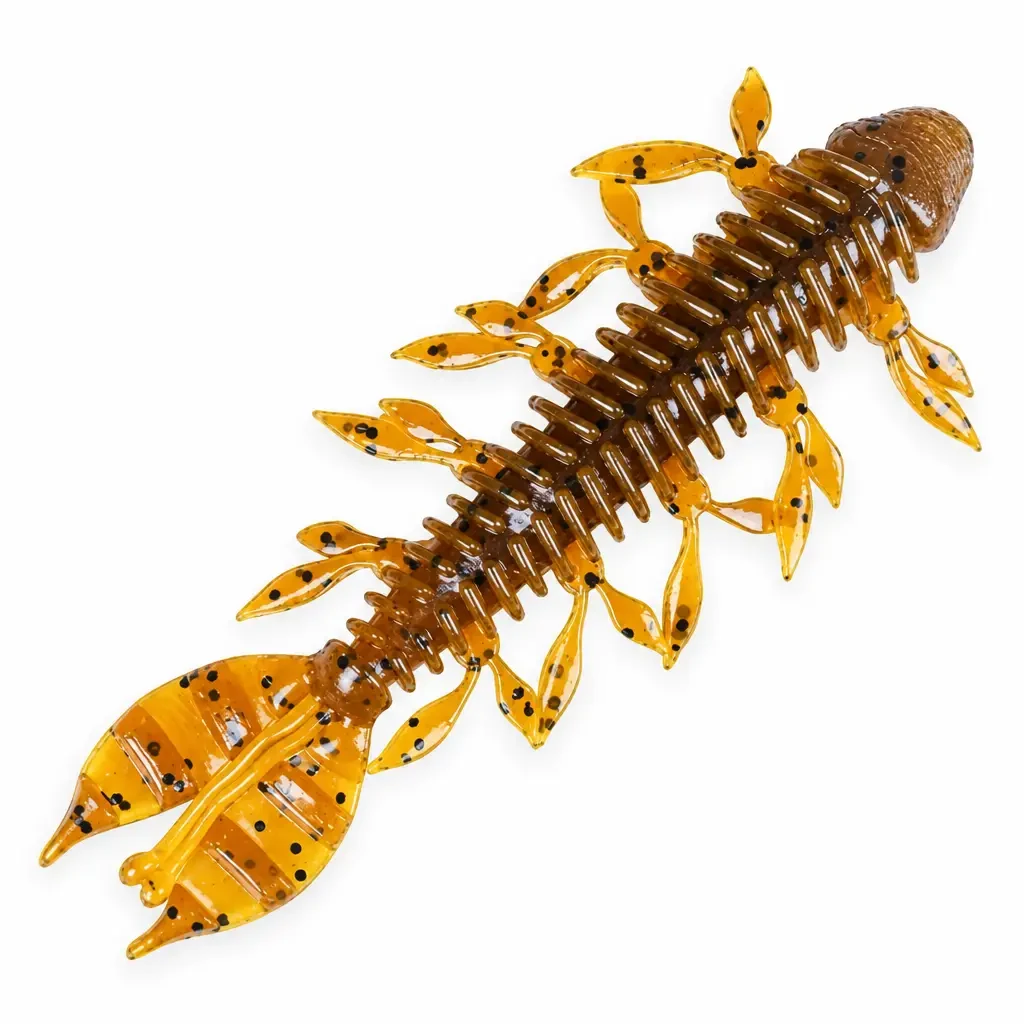
Shop slow pitch and speed jigsSoft plastic lures move like live prey at slow speeds, which makes them a good choice when fish will not chase. Paddle tails and curly tails swim on a steady retrieve. Worms, craws and creature baits work best when they hop along the bottom or sink slowly on a slack line. A jig head suits open water, and an offset worm rig keeps the point hidden near weed, rocks and snags. Soft baits come in larger packs than hard lures, because the plastic tears after a few fish. Many are salted or scented, which makes fish hold on for longer.
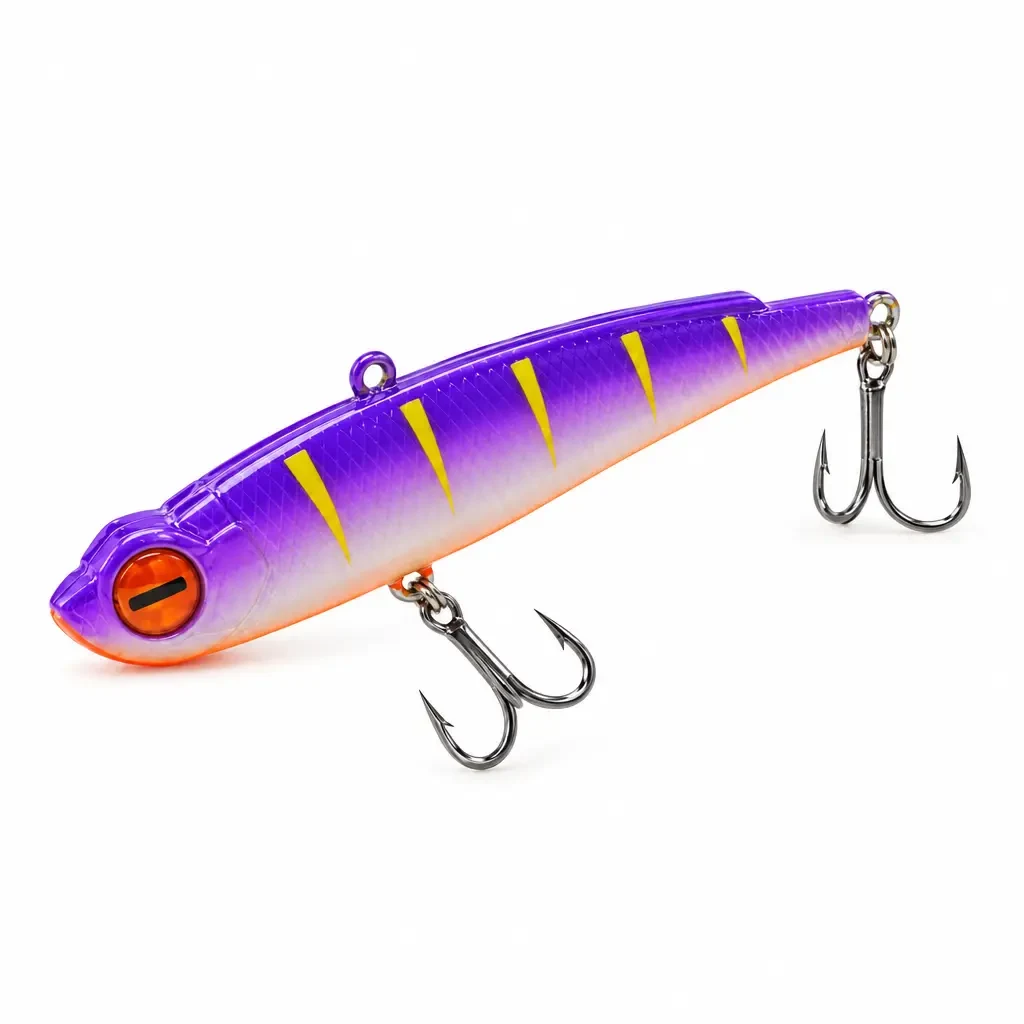
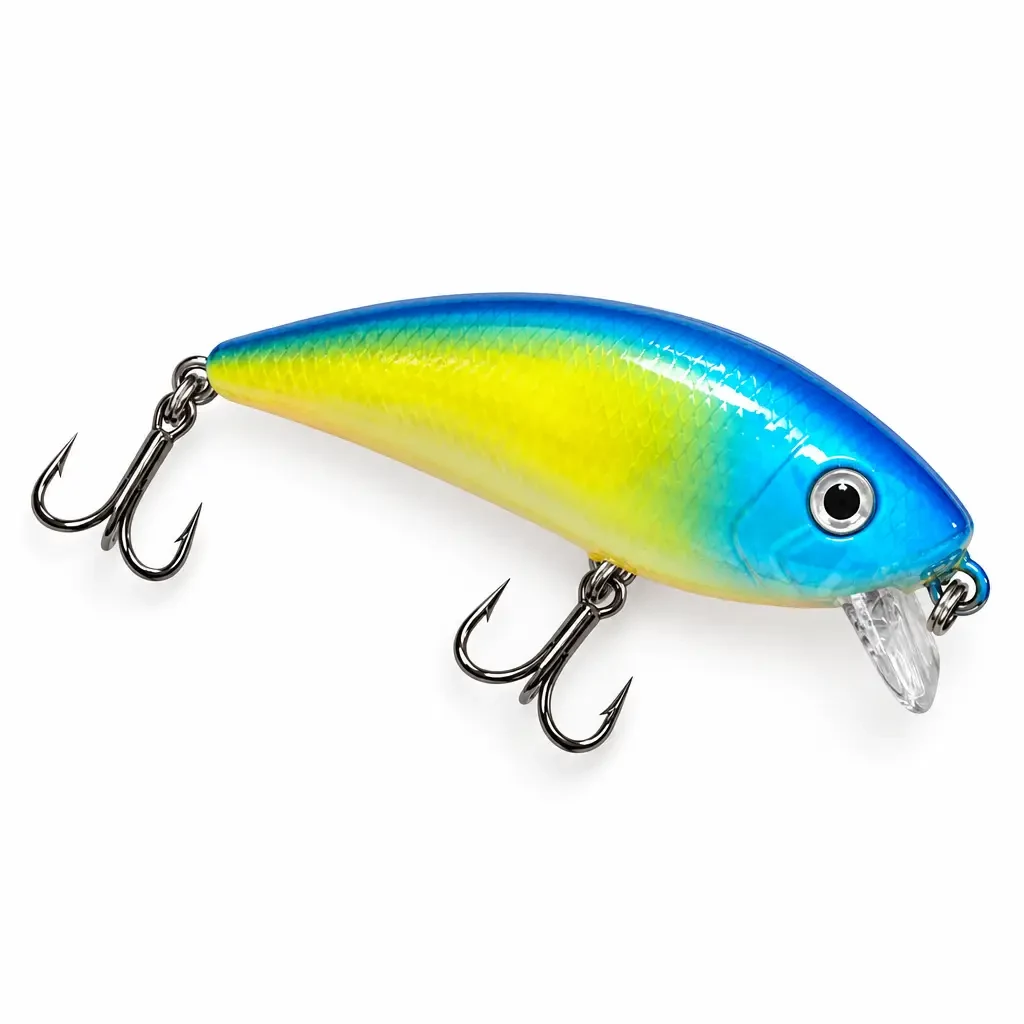
Shop soft plastic luresHard baits have a set diving depth, so each one fishes a band of water. Topwater lures such as poppers and pencil baits stay on the surface. Jerkbaits and minnows swim just below it, and crankbaits and lipless baits run deeper. The lip on the front of a crankbait sets its depth: a long lip dives deeper than a short one. Choose by the depth where the fish feed, then cast and retrieve to search a wide area fast. Hard baits last longer than soft plastics and keep their action for many seasons.
Shop hard baitsThe best jig head is the lightest one that still reaches the bottom in the depth and current of the day. A light head falls slowly and looks more natural. A heavy head keeps contact in deep or fast water and casts further in wind. The size of the head must also match the soft bait, so the point comes out near the middle of the body. A head that is too small misses bites, and one that is too large spoils the action of the bait. Round heads suit most baits, and football and NED heads stand up on the bottom.
Shop jig headsColour matters most in the first few metres of water. In clear water and bright light, natural finishes such as silver, sardine, sand eel and green back look closest to real bait fish. In coloured or deep water, bright pink, chartreuse and glow colours stay visible for longer. At dawn, at dusk and at night, a dark silhouette or a glow body shows up best against the sky. Many anglers carry one natural and one bright colour of each pattern and change after a few casts without a bite.
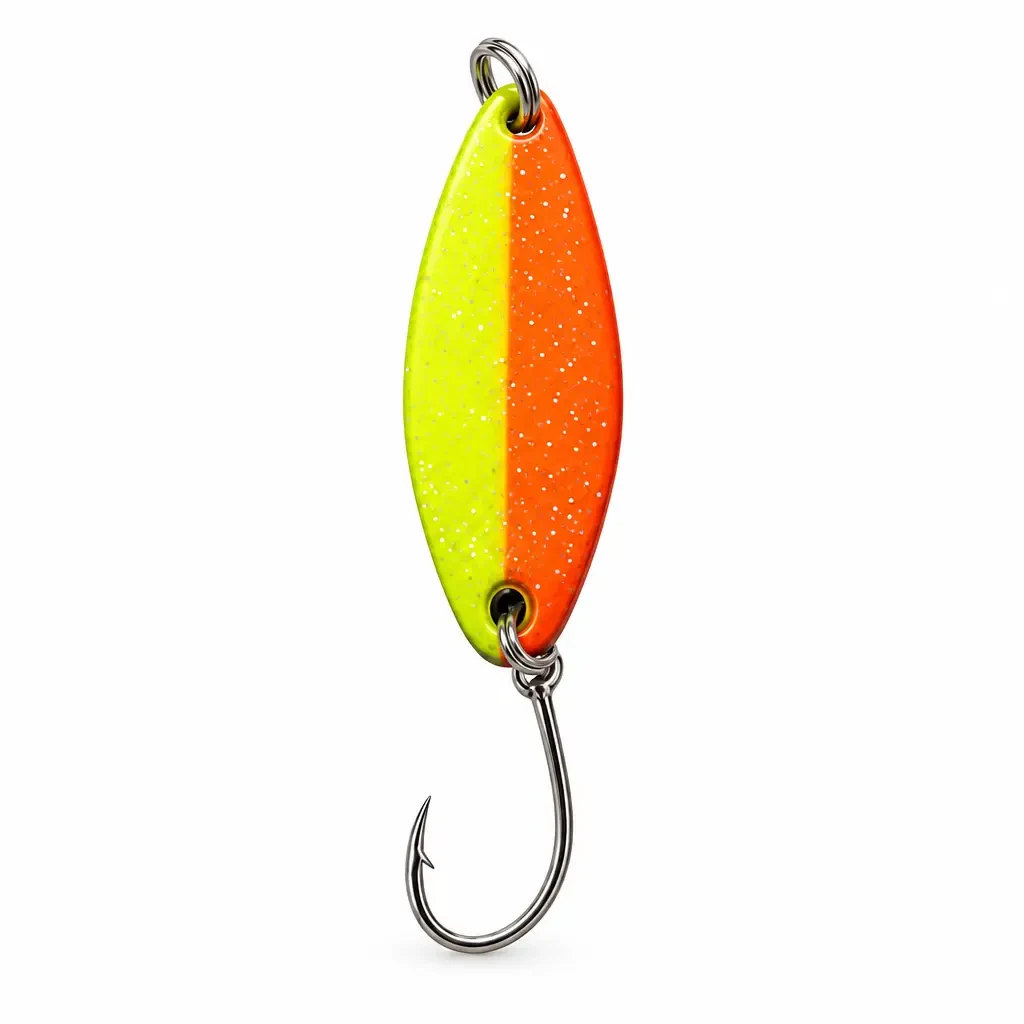
Shop all fishing luresSpinners have a blade that turns around a wire shaft and sends out flash and vibration. Spoons are curved metal blades that wobble as they come back through the water. Both are simple to fish: cast across the current and wind back at a steady speed. Small sizes from 2g to 5g suit trout and perch in rivers and streams, and heavier casting spoons reach further on big lakes and from the beach. Gold and copper blades show up well in coloured water, and silver blades suit clear water and bright days.
Shop spinnersSquid jigs, or egi, have a cloth or plastic body and one or two rows of fine pins in place of a normal barb. Squid grab the jig with their arms and the pins hold them. Size 2.5 to 3.5 jigs suit most harbours and piers. Glow bodies help at night under lights, and natural colours suit clear water by day. A slow sink with sharp lifts of the rod works for most squid.
Shop squid jigsTerminal tackle is everything between the end of the line and the lure: swivels, snaps, split rings, sinkers, floats and leaders. A snap swivel makes lure changes fast and stops line twist. A split ring gives a lure more free movement than a knot. Sinkers set the depth of a bait rig, and floats show a bite and hold the bait at a set depth. Check every point and ring before each trip, and replace any that are rusty or bent.
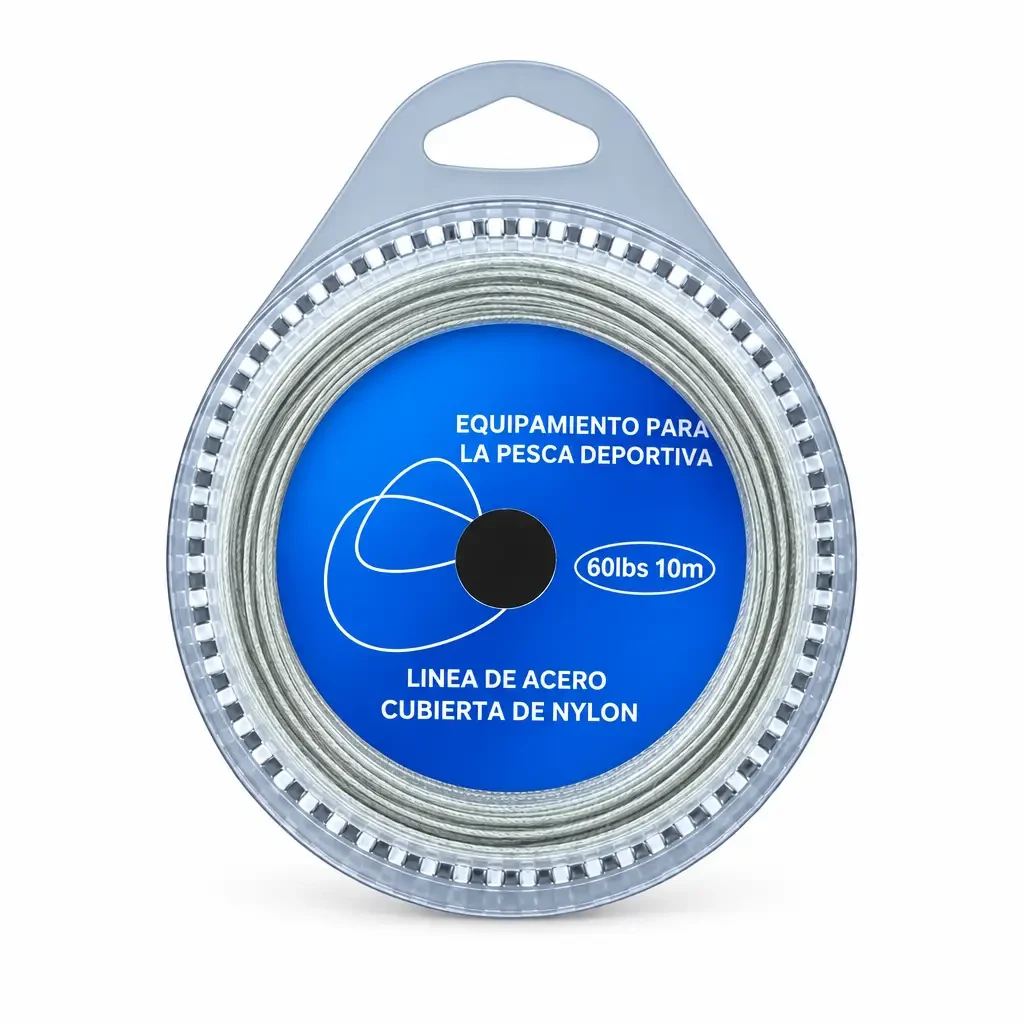
Shop terminal tackleBraided line has no stretch and casts far, so it suits jigging and long casts. A short fluorocarbon or monofilament leader adds abrasion resistance and is harder for fish to see. Lures keep longer in a tackle box with dividers, where points do not tangle or rust. Pliers and a line cutter make it quick and safe to unhook fish and cut knots on the bank or the boat.
Jig & Lure is an online fishing tackle shop. We stock 498 lures and tackle items for sea and freshwater fishing, from 2g spoons to 60g slow pitch jigs.
We sort every product two ways: by lure type, and by the way you fish. Start from Metal Lures or Soft Plastic Lures if you know what you want, or from a fishing style such as shore jigging or squid fishing if you know where you will fish.
We ship worldwide, and delivery is free on orders over $50.