
Twister Tails
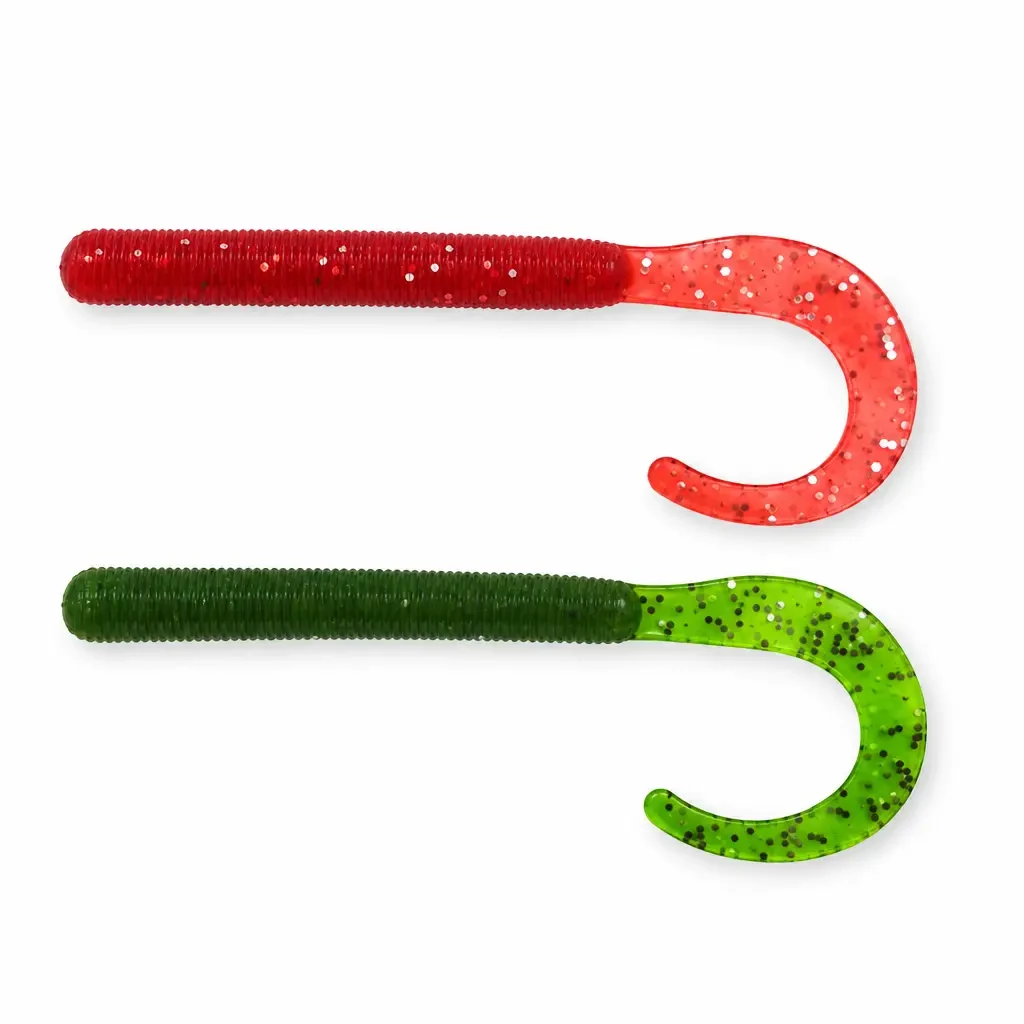
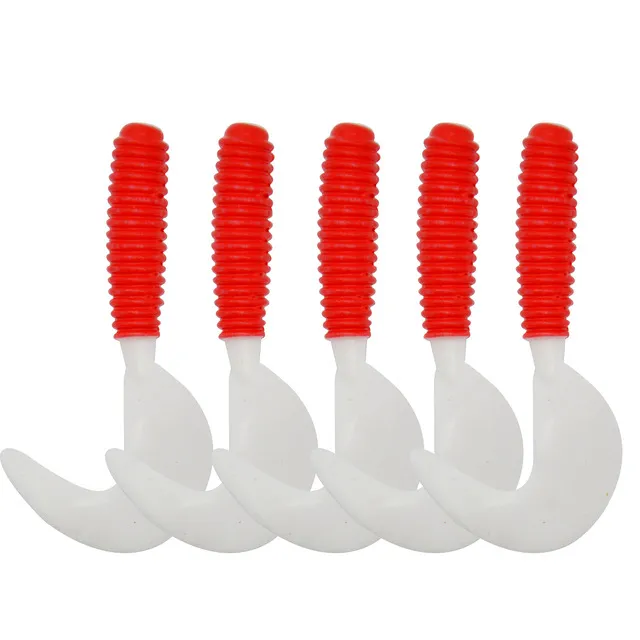
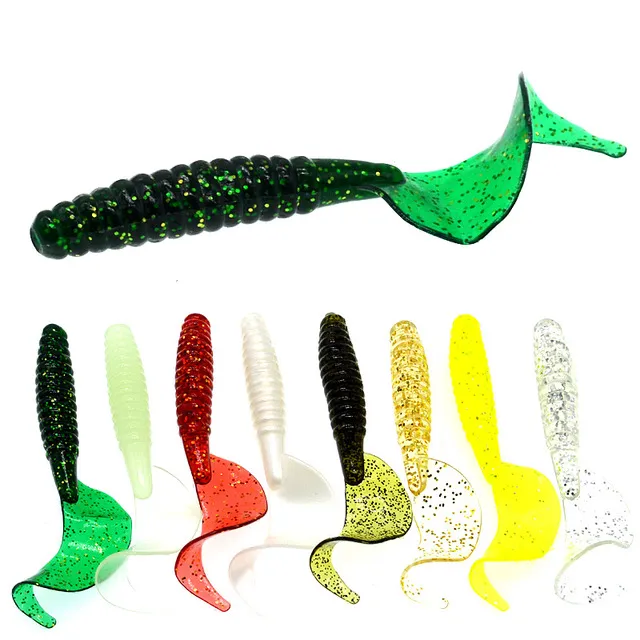
Twister tails are soft grubs and worms with a curly tail that swims on the retrieve, used on jig heads and other rigs for bass, perch, trout, carp and many other fresh water fish. We stock single and double tail grubs for steady swimming, sickle and wave tails for extra kick, needle tail and screw grubs for slow finesse, pupa and maggot baits, glow and UV grubs for low light, and pre-rigged worms on jig heads. Lengths run from 3.5cm to 13.5cm, in packs of 5 to 20, from $5.99.
Read more-
Best Seller
 13 options available
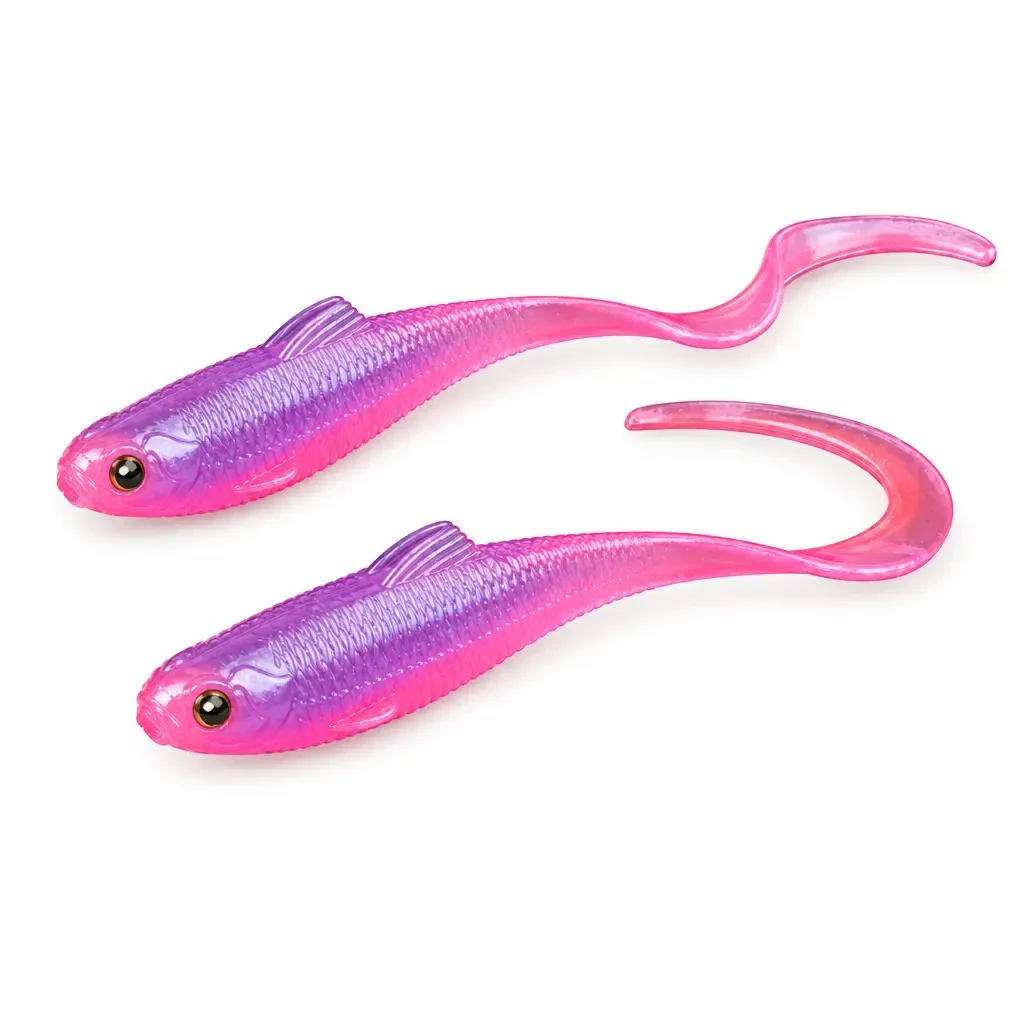
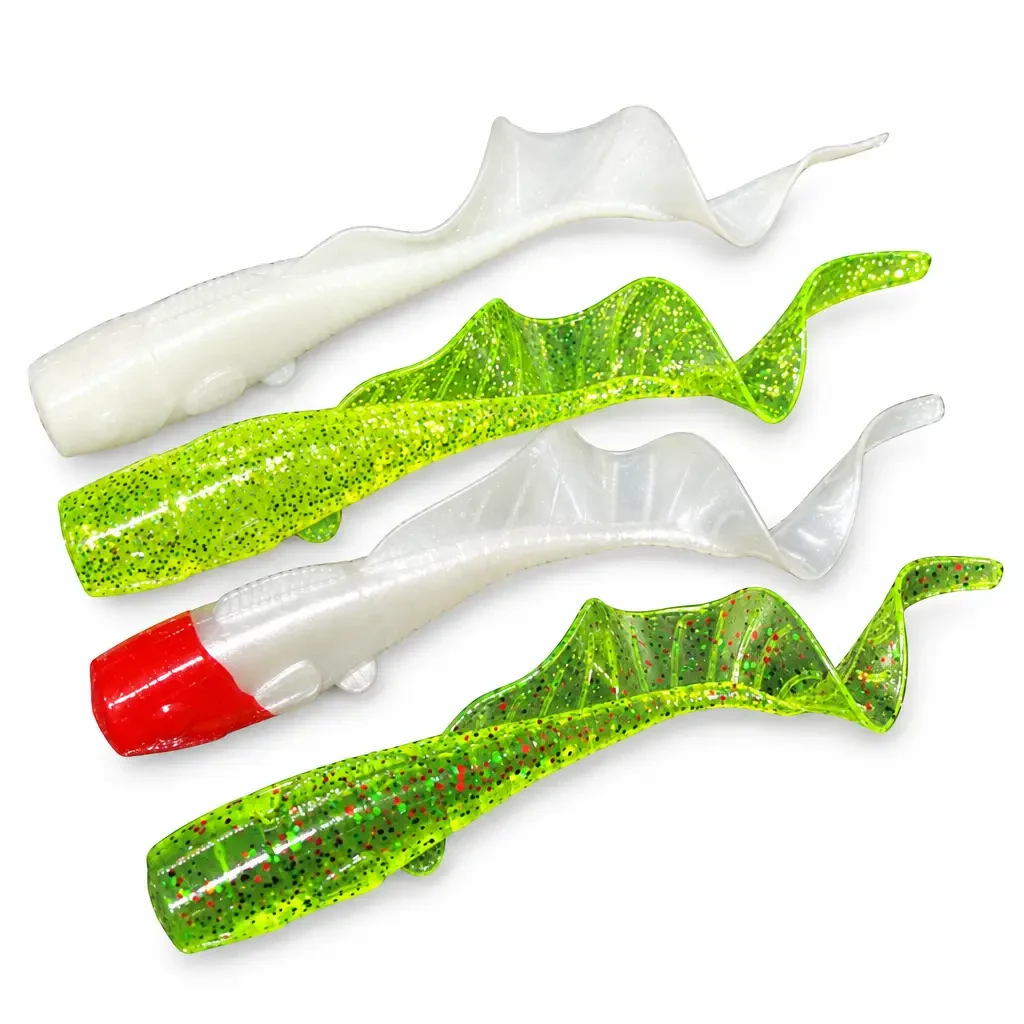
Curly Tail Lure Big Wave Tail Soft Bait
From$9.99 -
Best Seller
 4 options available
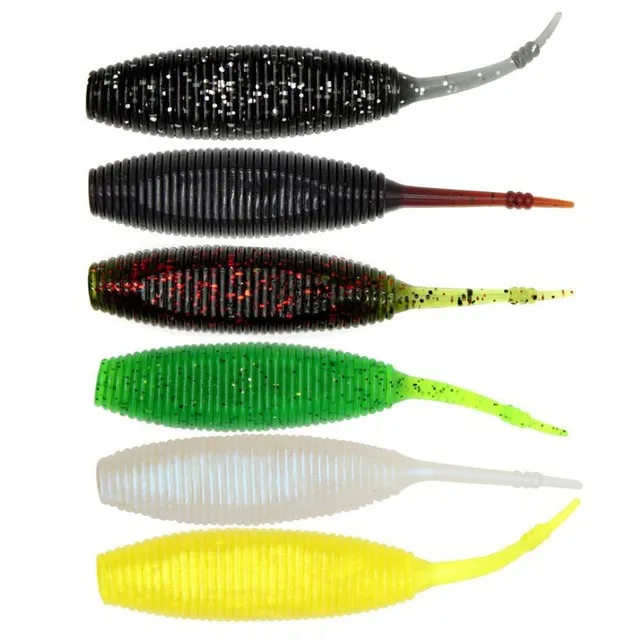
Fat Grub Sinking 9cm 8g (Pack of 5)
From$9.99 -
Best Seller
 8 options available
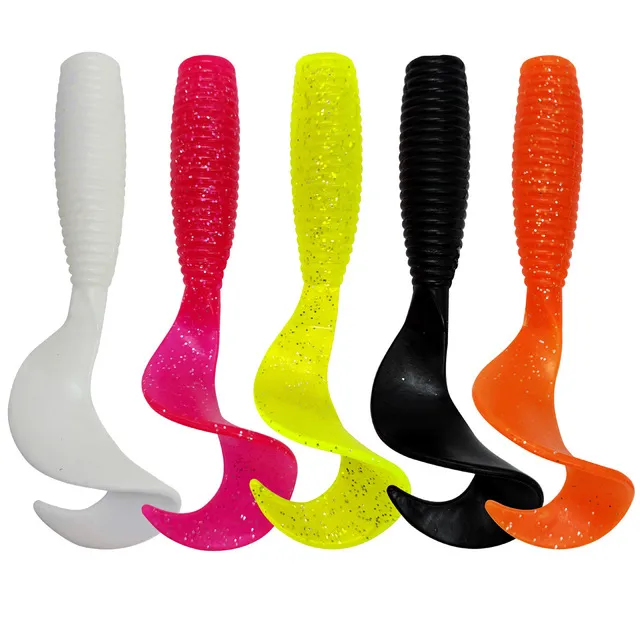
Rock Fishing Lure Trolling 50g
From$11.99 -
Best Seller
 6 options available
-
Best Seller
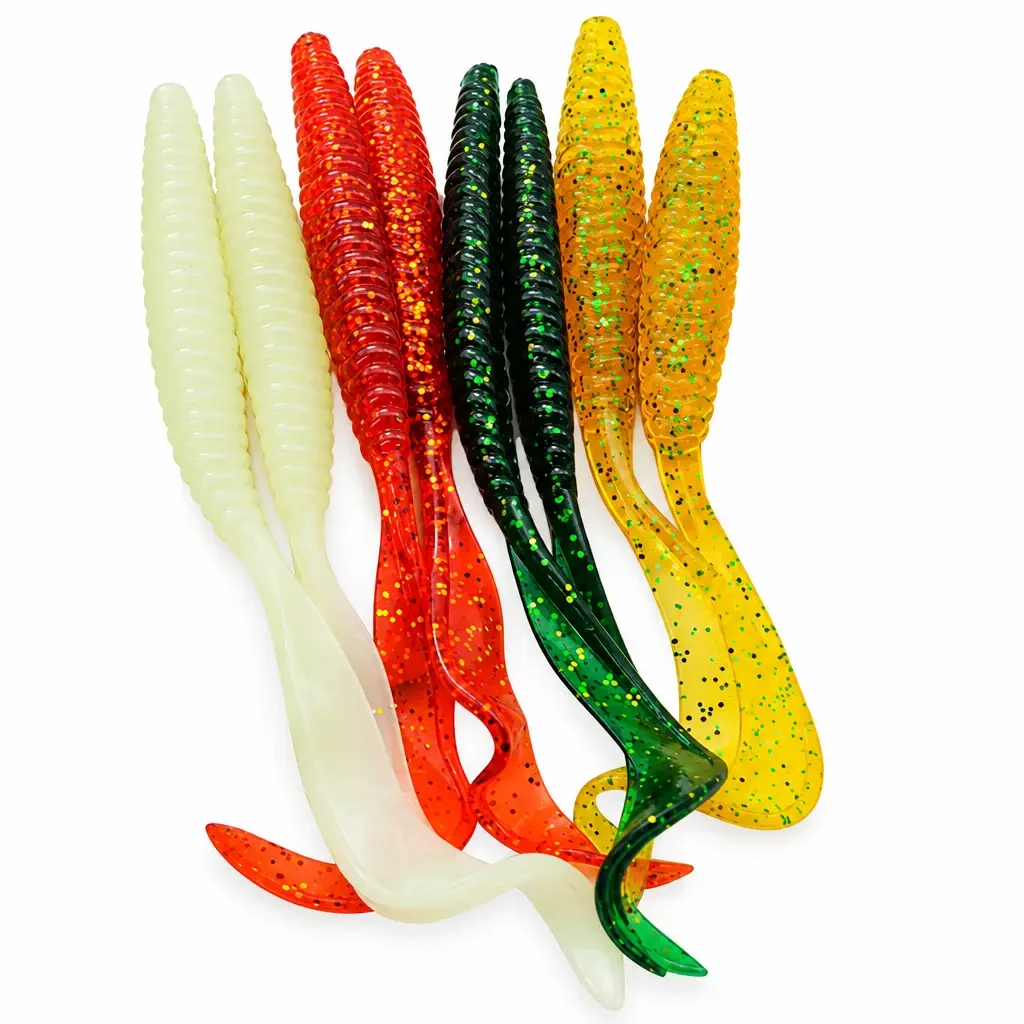 7 options available
Long Curly Tail Grub 13cm 6g (Pack of 5)
From$10.99 -
Best Seller
 3 options available
-
Best Seller
 11 options available
-
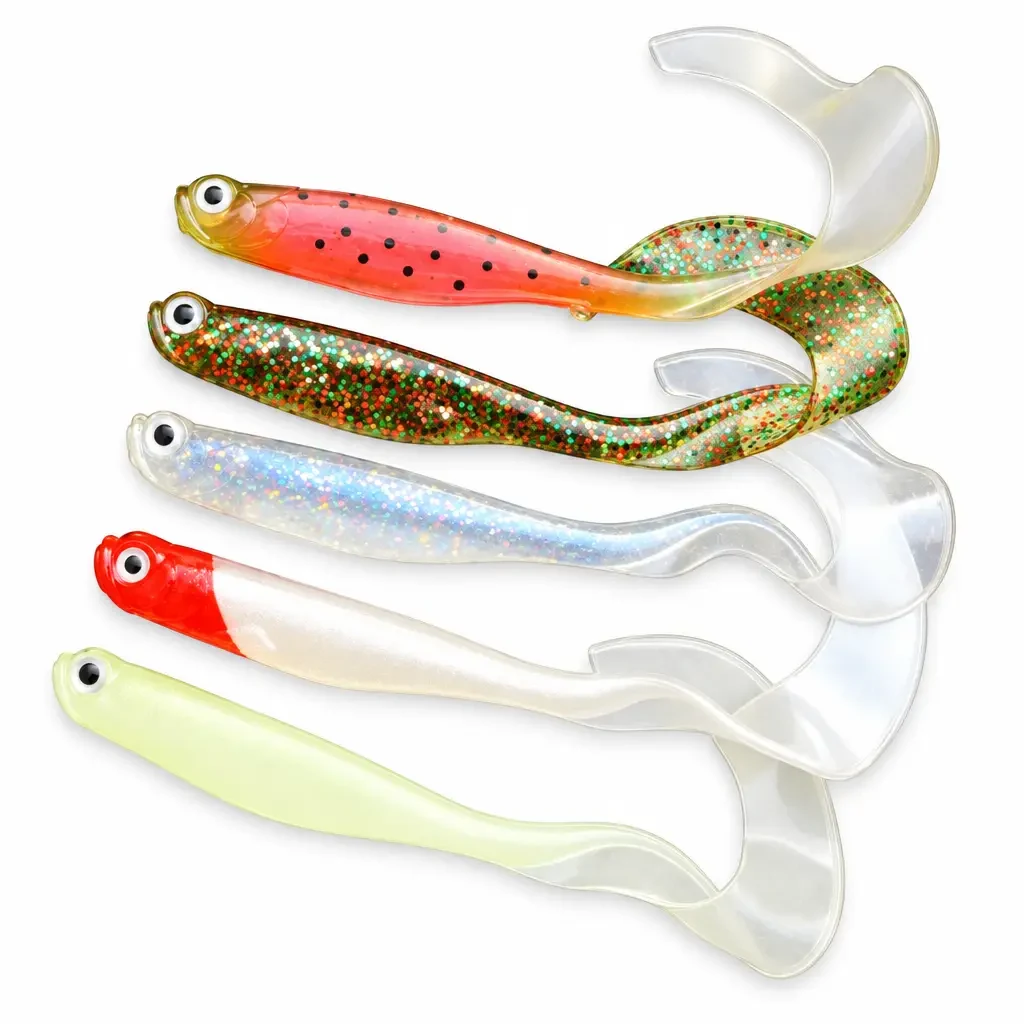 2 options available
-
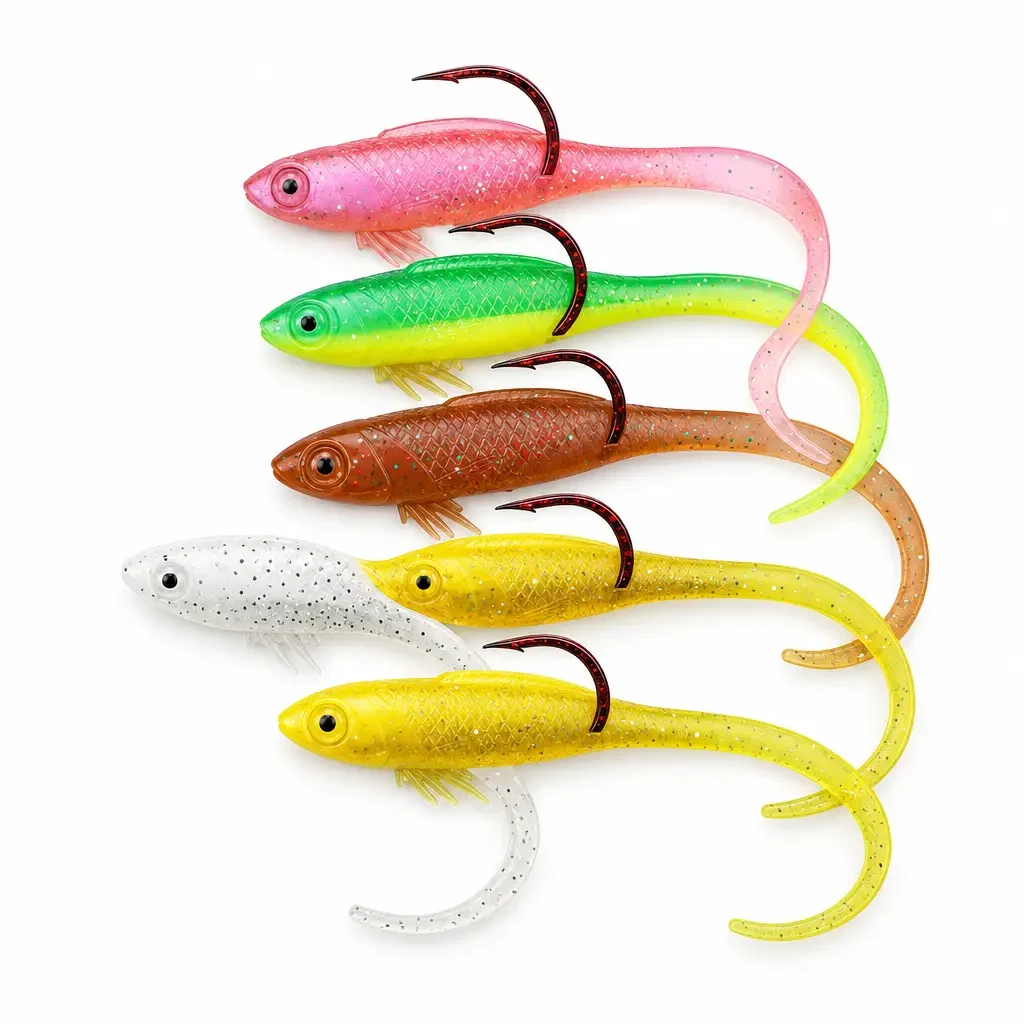 3 options available
-
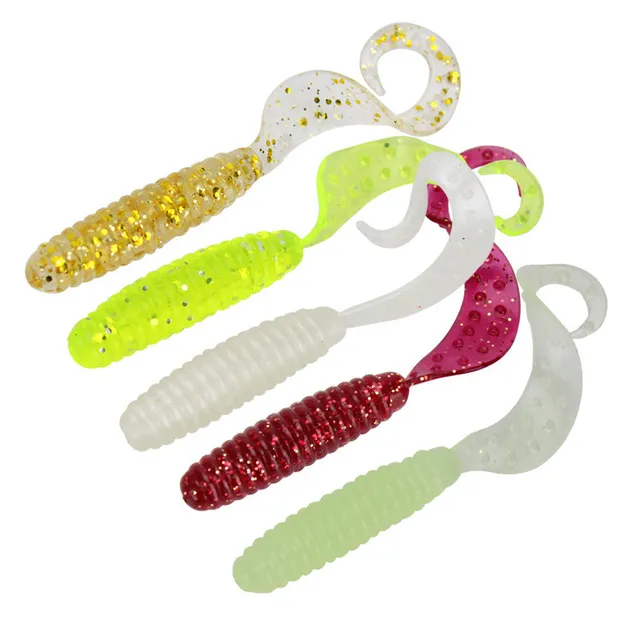 6 options available
-
 3 options available
-
 3 options availableFrom$7.99
-
 2 options available
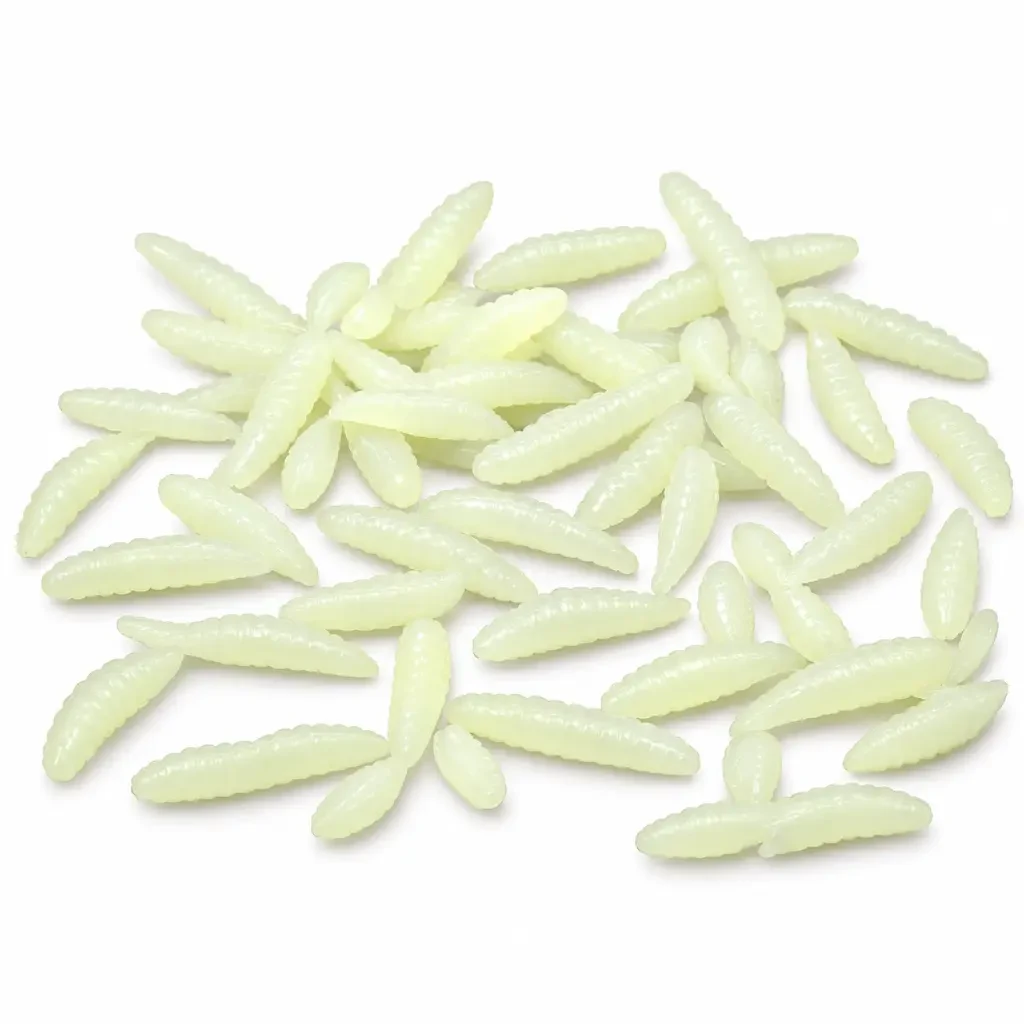
Carp Grub Lure Day Night (Pack of 20)
From$7.99 -
 13 options available
-
 2 options available
-
 8 options available
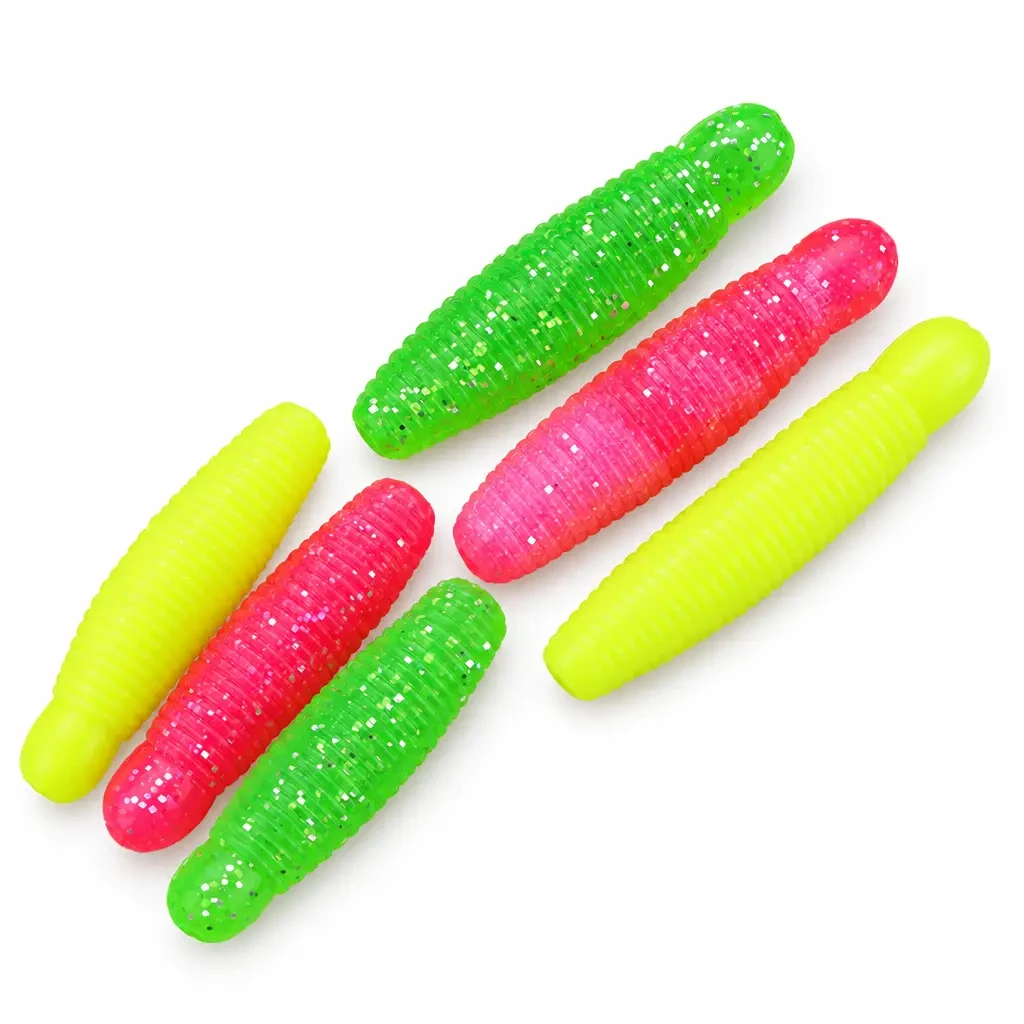
Sinking Potato Bait 5-6.5cm (Pack of 5)
From$8.99 -
 2 options available
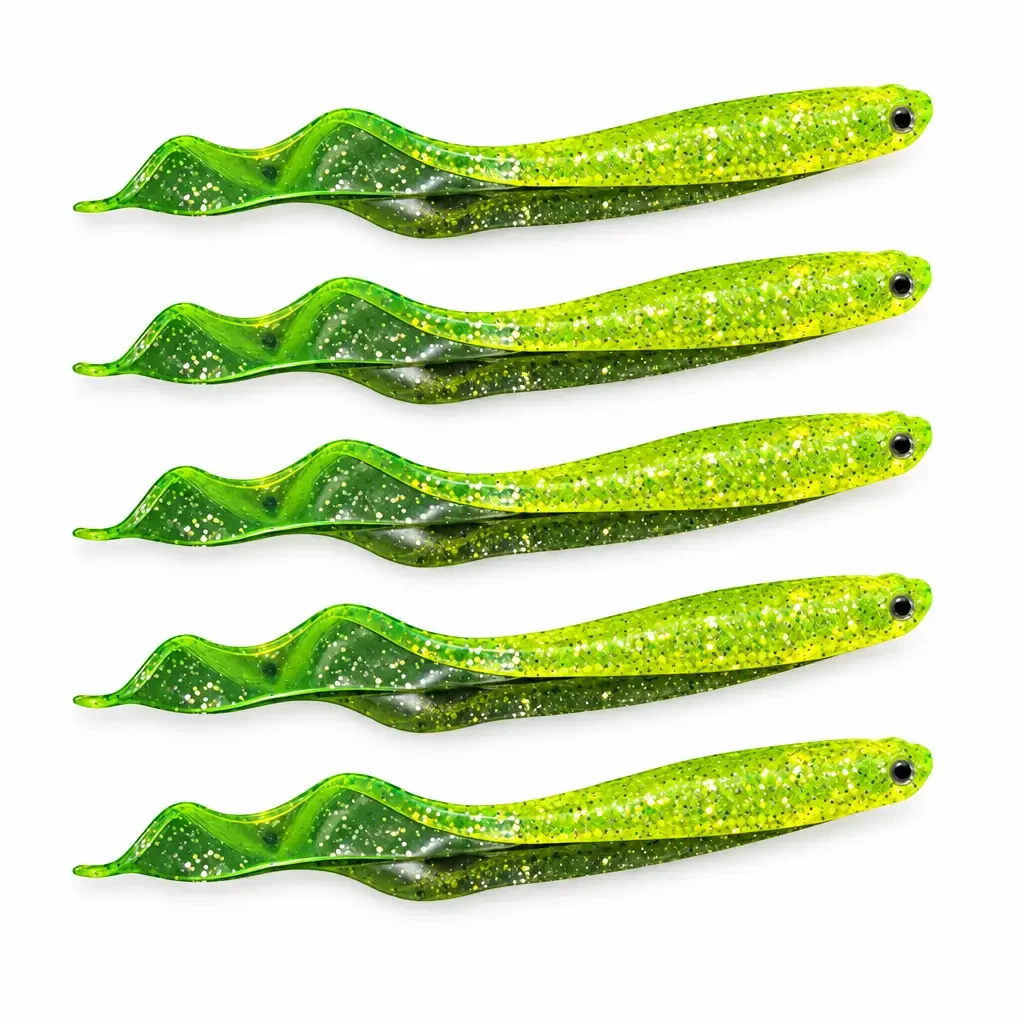
Wave Worm 12cm 6.5g (Pack of 5)
From$10.99 -
 5 options available
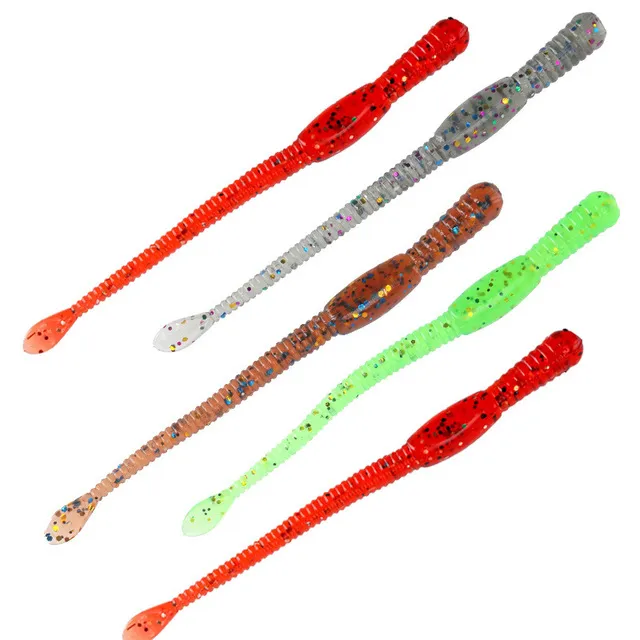
Drop Shot Lure Sequins 7cm (Pack of 10)
From$8.99 -
 3 options available
Skirted Grub Big Tail 8cm 12g (Pack of 5)
From$11.99 -
 21 options available
-
 4 options available
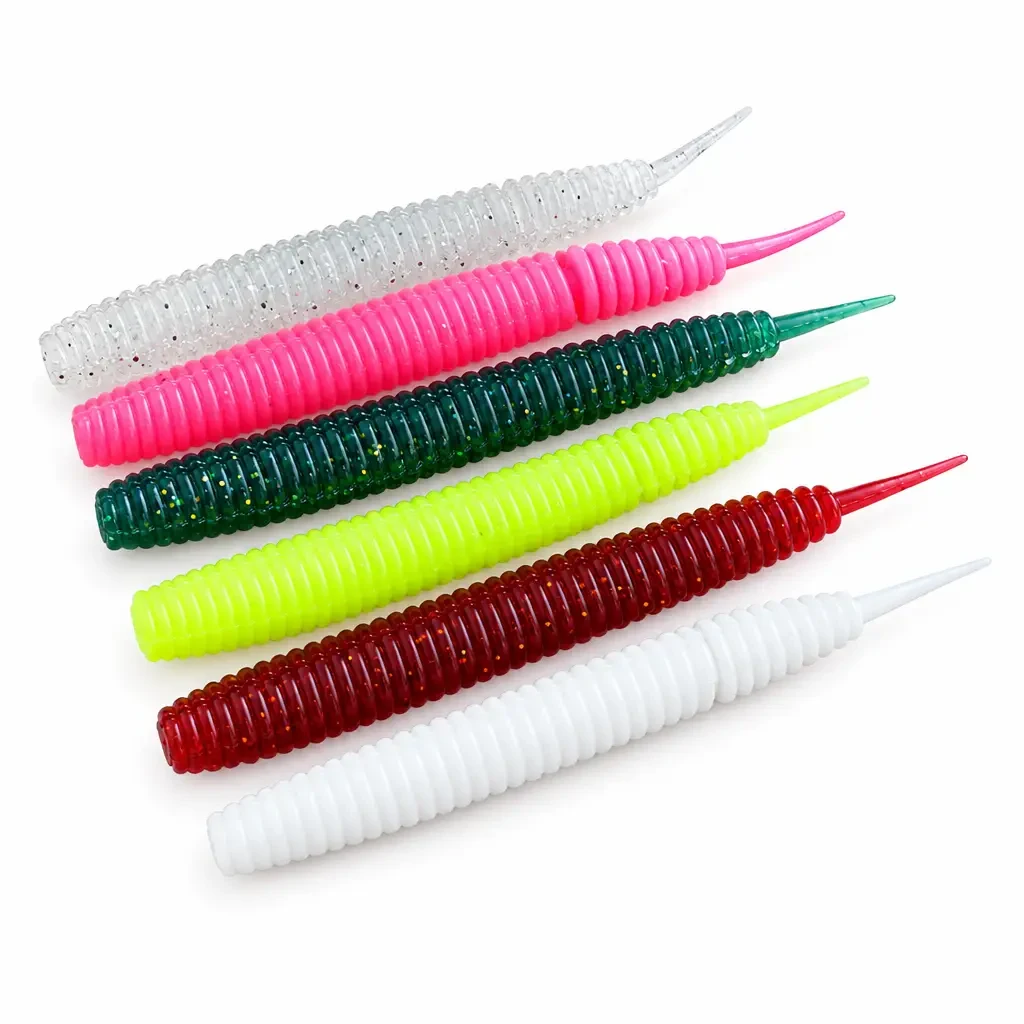
Potato Worm Lure Needle Tail 10cm 7g
From$10.99 -
 4 options available
-
 2 options available
-
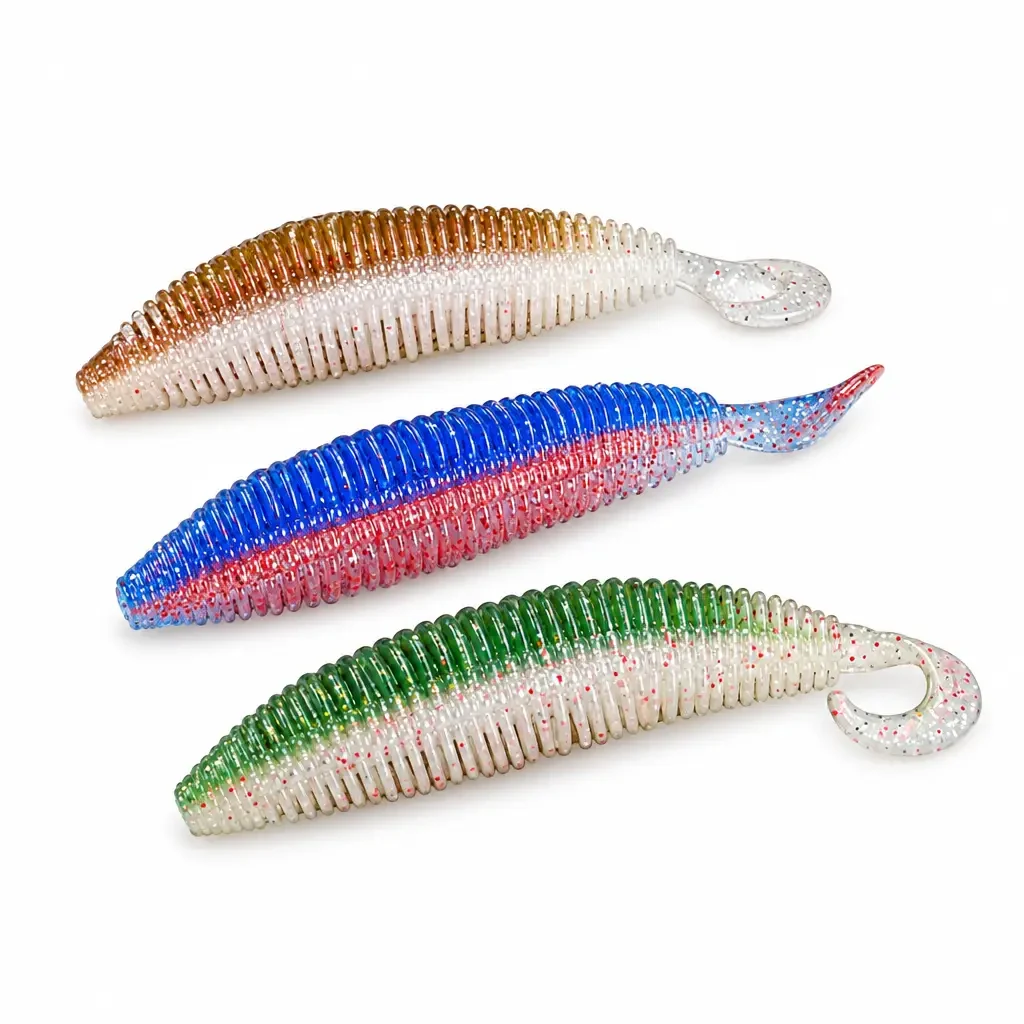 5 options available
-
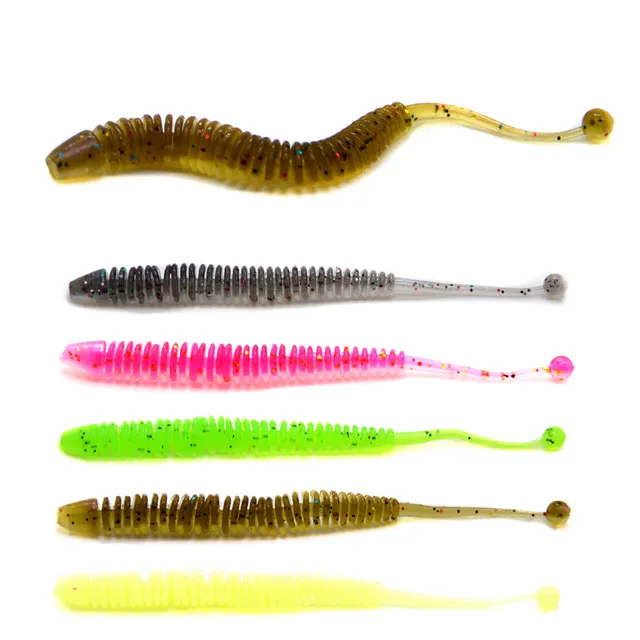 6 options available
Ball Tail Worm 1g 8cm (Pack of 10)
From$9.99 -
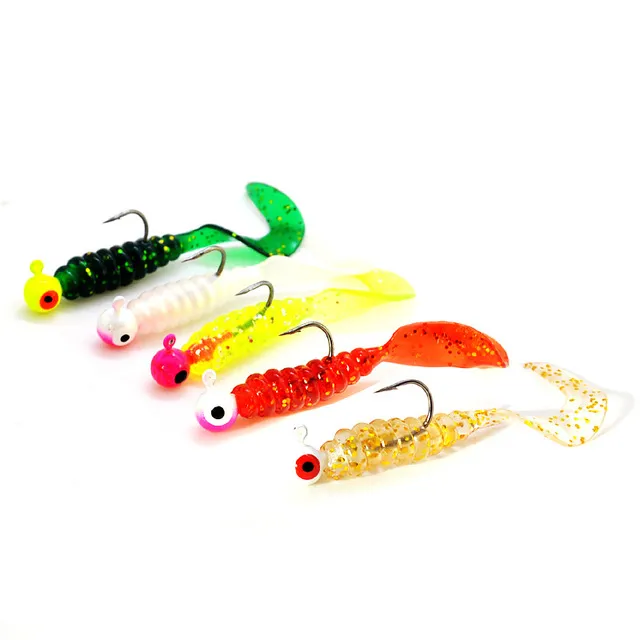 See product details
-
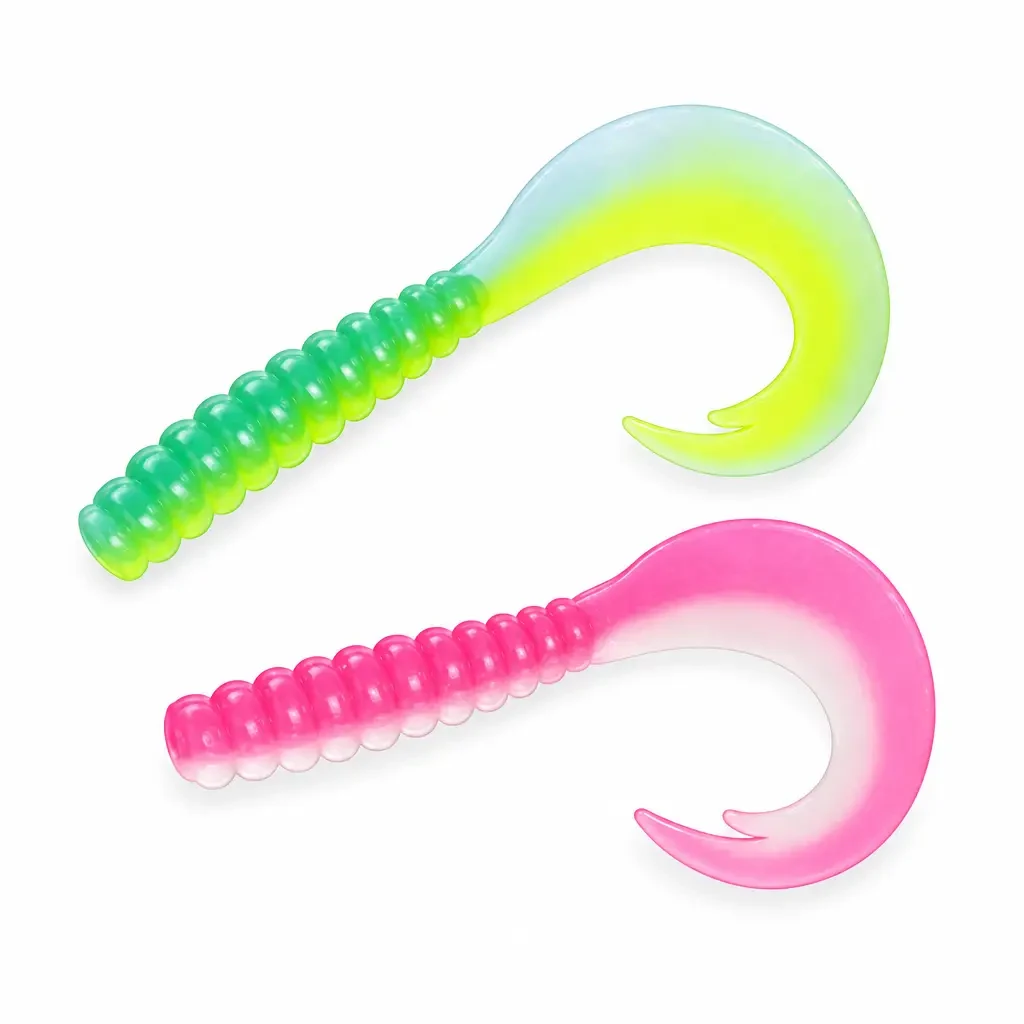 4 options available
-
 See product details
-
 3 options available
-
 See product details
-
 4 options available
-
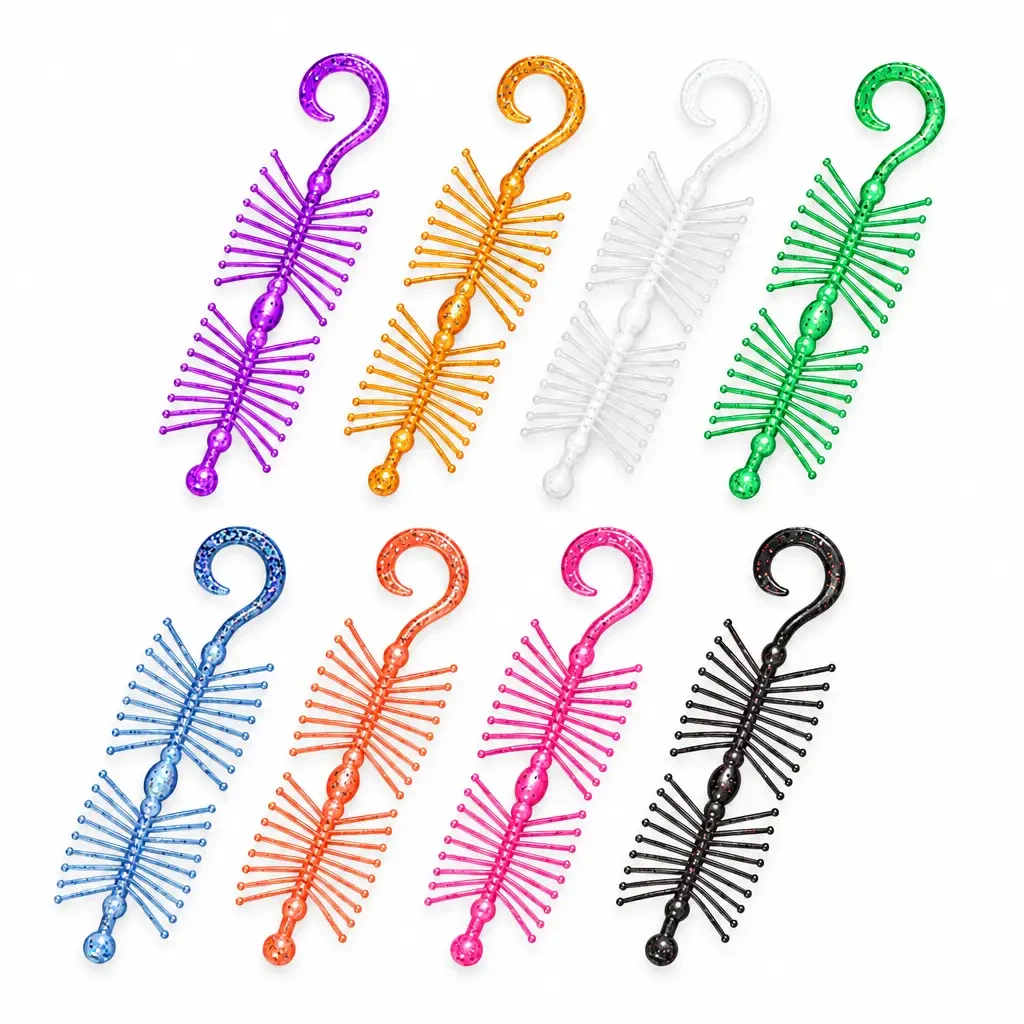 8 options available
Floating Worm 13cm 1.97g (Pack of 10)
From$11.99 -
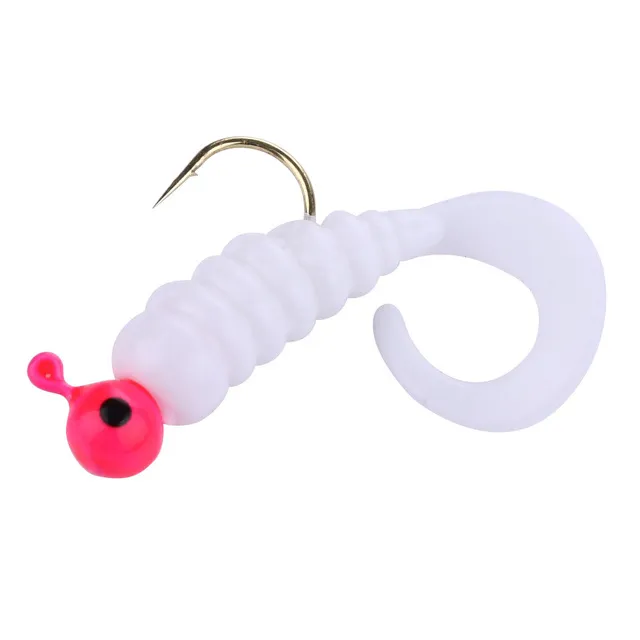 4 options available
What Are Twister Tails?
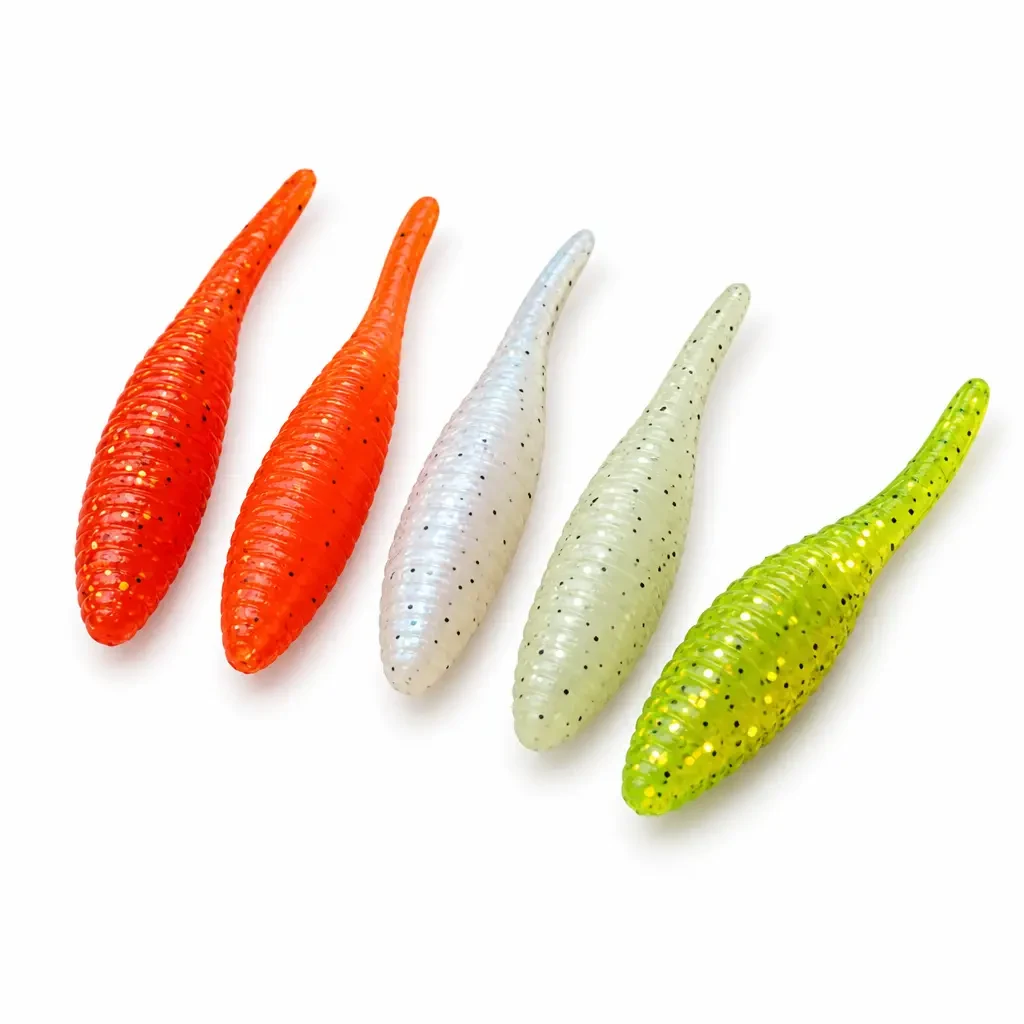
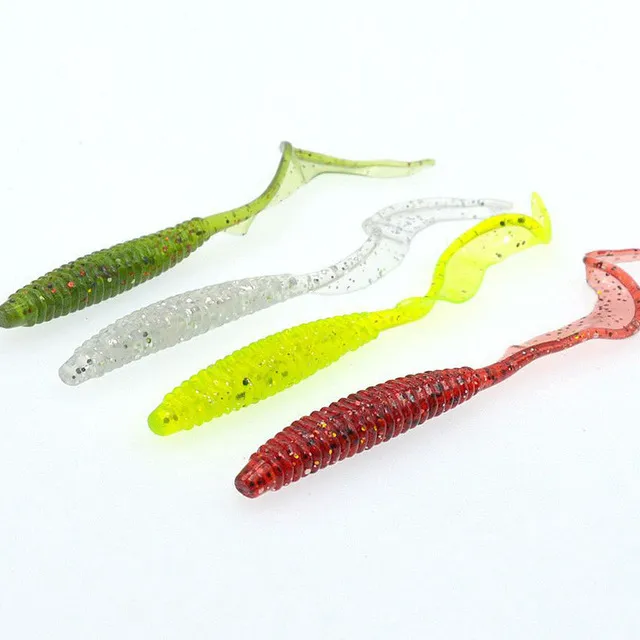
A twister tail is a soft grub or worm with a thin, curved tail. When you pull it through the water, the tail spins and flutters like a small fish, worm or bug. That steady action draws strikes even when you just cast and wind.
Tail Styles and Their Action
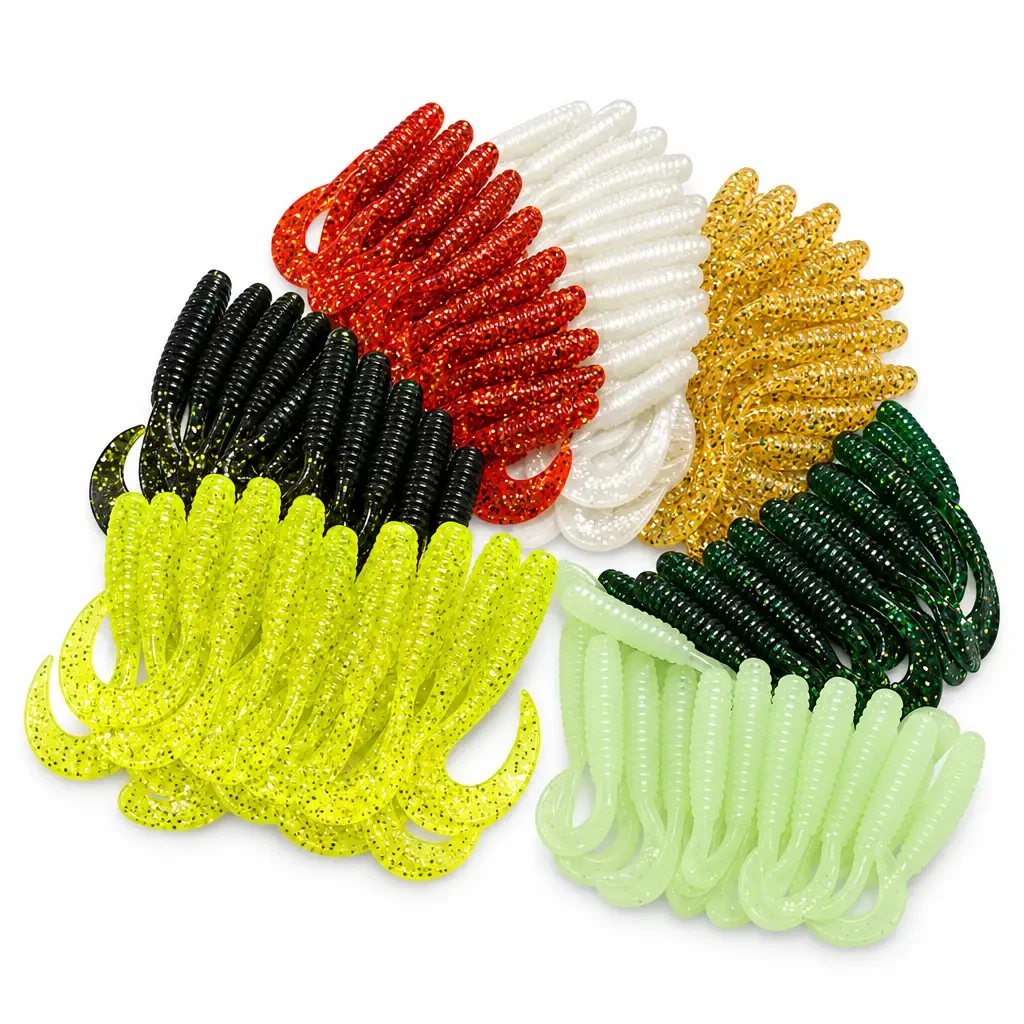
- Single and curly tails: a steady, even wiggle that suits most retrieves.
- Sickle and long tails: a wider sweep that moves more water.
- Wave and skirt tails: extra movement and bulk for a bigger profile.
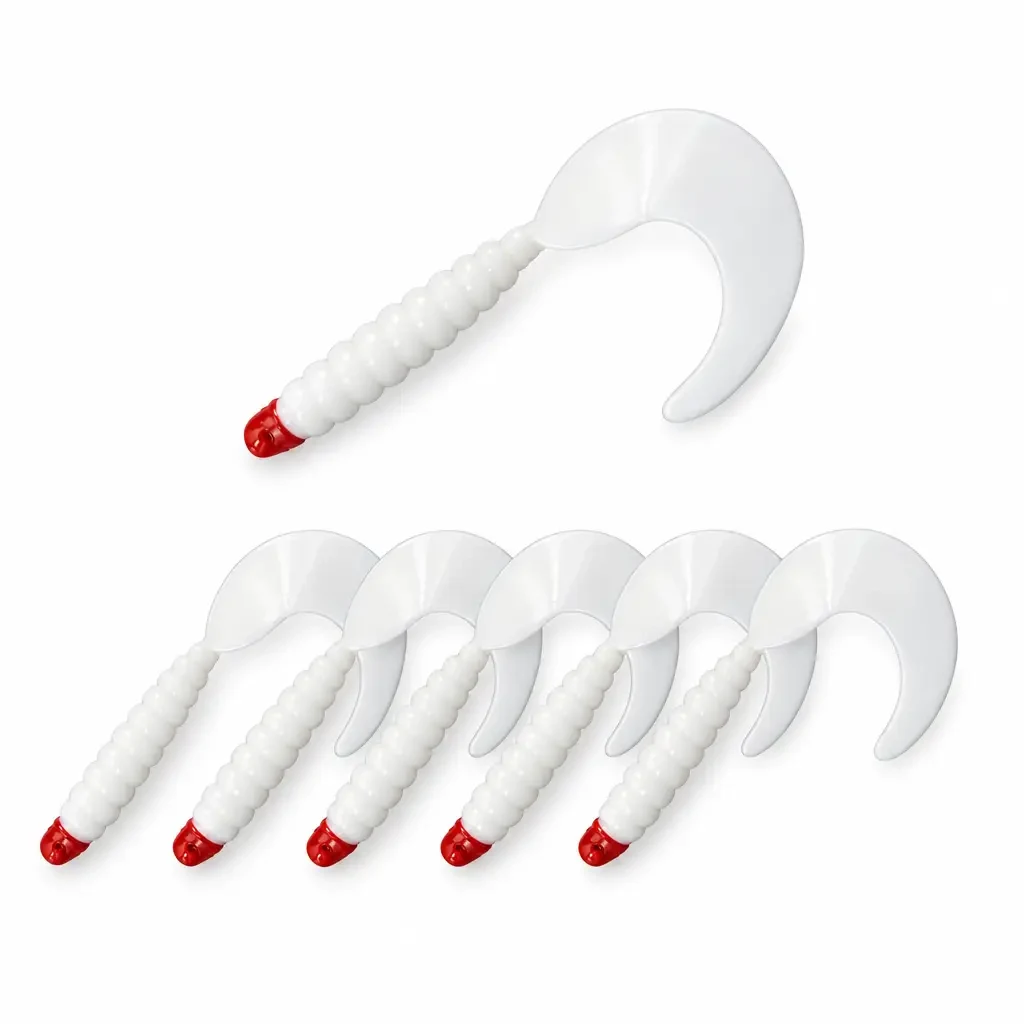
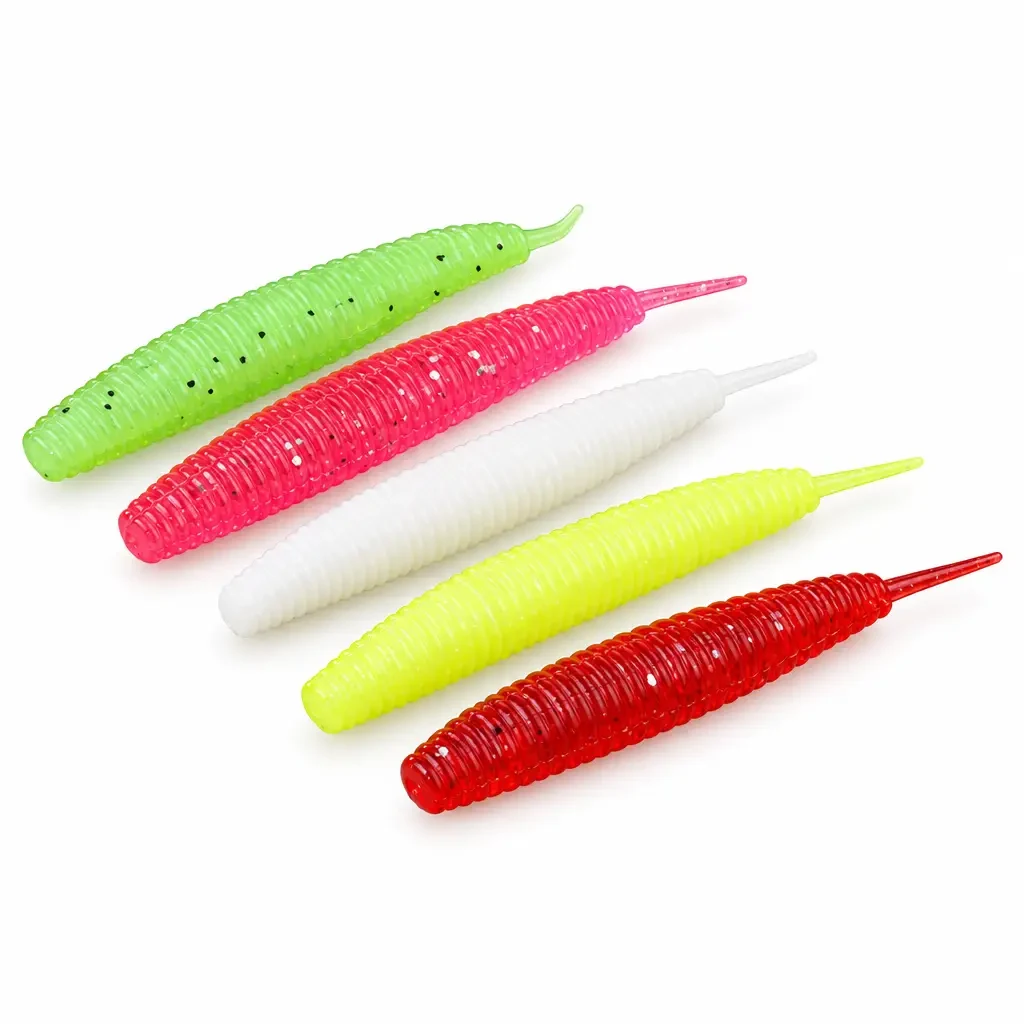
- Needle tail and screw grubs: a subtle quiver for slow finesse fishing.
- Double and umbrella tails: two tails that kick against each other for more action.
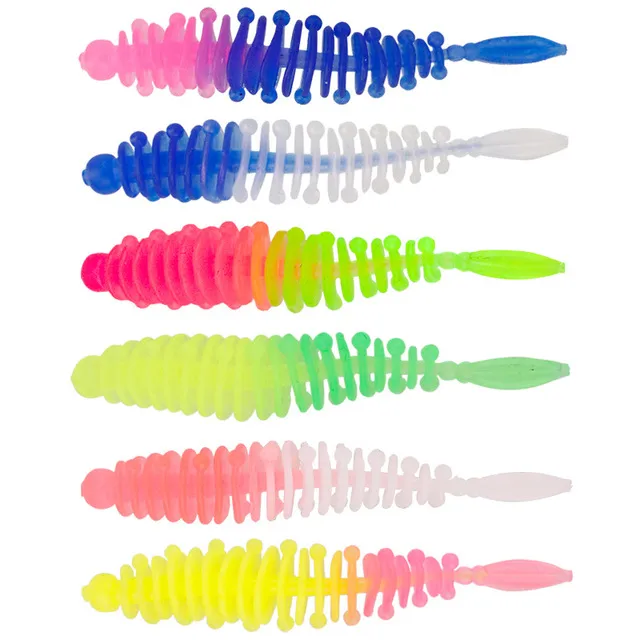
- Pupa, maggot, lugworm and earthworm baits: copy the small food that many fish feed on.
How to Rig Twister Tails
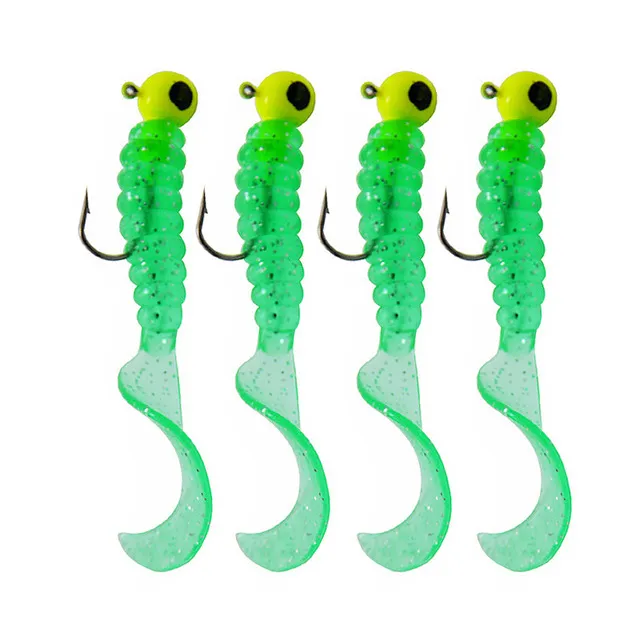
The simplest way is a round ball jig head. Thread the grub on straight so the tail faces up and spins freely, then cast and swim it or hop it along the bottom. A crooked grub spins the line and loses its action.
You can also fish twister tails on a Texas rig in weeds, behind a spinner for flash, or on a drop shot for slow work. Our range includes pre-rigged sickle and twirl tail worms on jig heads, ready to tie on.
Fish That Take Twister Tails
Bass, perch, crappie, trout, walleye and pike all hit a swimming grub. Small grubs suit panfish and trout, while long tails and heavier rigs suit bigger predators. Some of our glow grubs are made for grass carp.
Choosing the Right Size
Match the grub to the fish and the food in the water. Short twister tails of 3.5cm to 6cm suit small fish and clear, calm water. Grubs of 10cm and longer, such as our 13.5cm maggot screw grub, show a bigger meal to bigger fish.
Twister Tails FAQ
What is the easiest way to fish twister tails?
Put one on a round jig head and cast it out. Let it sink near the bottom, then wind it back slowly so the tail swims. If you get no bites, add short hops or pauses.
How heavy should my jig head be?
Use the lightest head that still reaches the depth you want and lets you feel the bottom. A light head gives a slow, natural fall, while a heavier head helps in wind, current and deep water.
Why does my grub spin the line?
The grub is usually threaded on crooked. Push it onto the hook so it sits straight along the shank with the tail pointing up. A straight bait swims cleanly and keeps the line from twisting.