
Jerkbaits
Jerkbaits for twitch-and-pause lure fishing in fresh and salt water, used for pike, bass, perch, trout and seabass. Choose floating minnows for shallow water, slow sinking minnows to hang in the strike zone, long lip and deep diving minnows for deeper fish, jointed swimbaits for a lifelike swim, long cast sinking pencils for distance, and big trolling minnows for large predators. Lengths run from 3.7cm to 19cm and weights from 1.5g to 55g, sold singly or in packs of 3 or 5, from $5.99.
Read more-
Best Seller
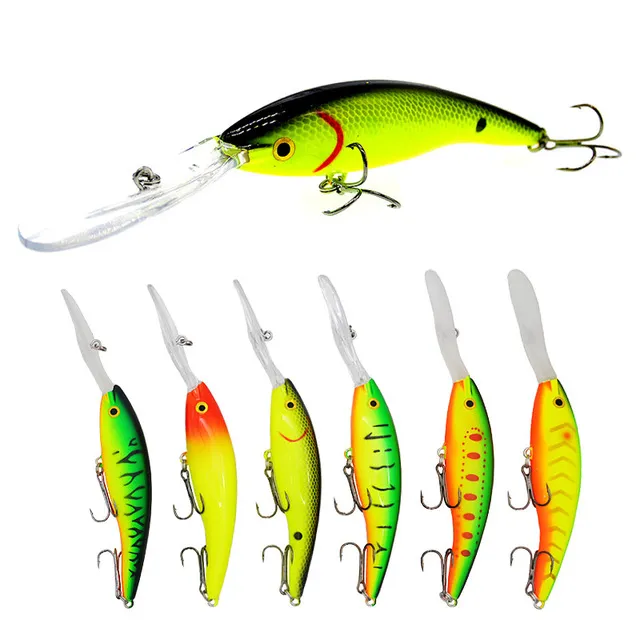 7 options available
-
Best Seller
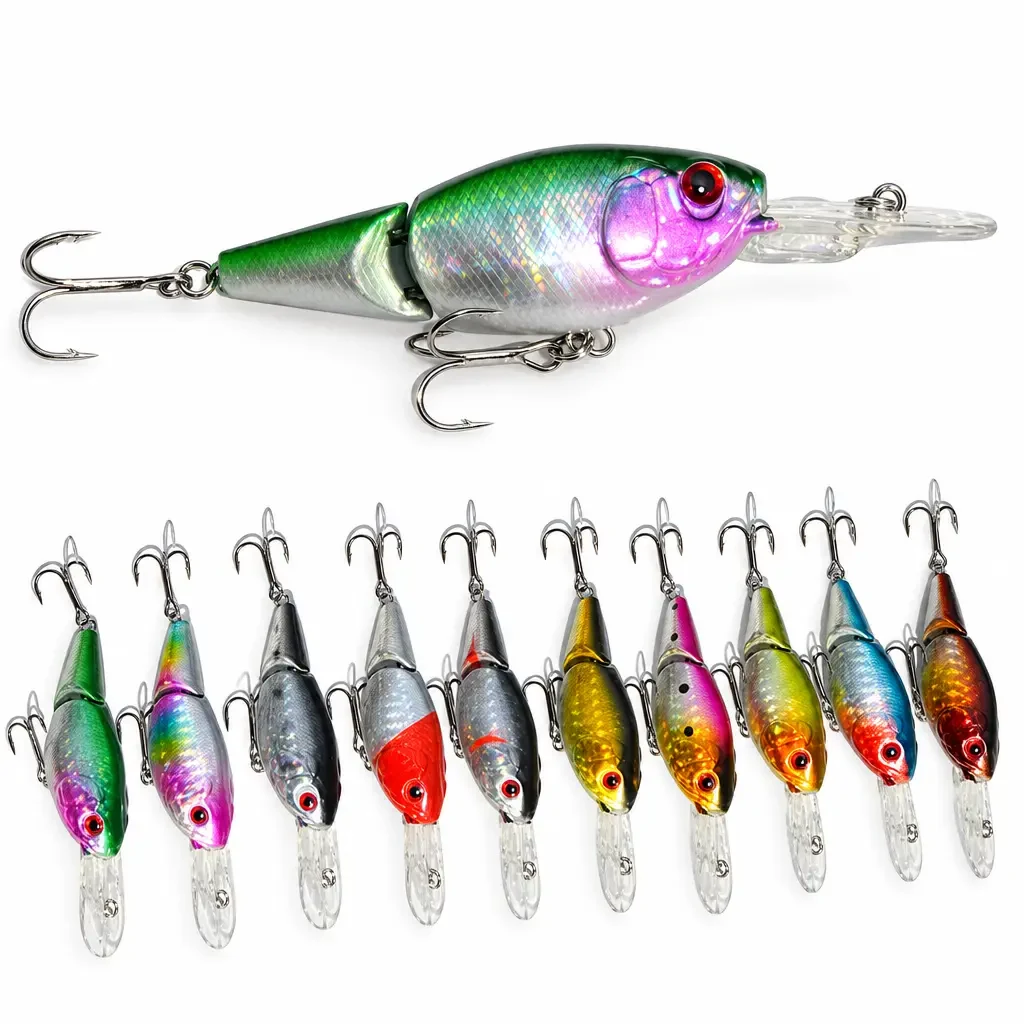 10 options available
-
Best Seller
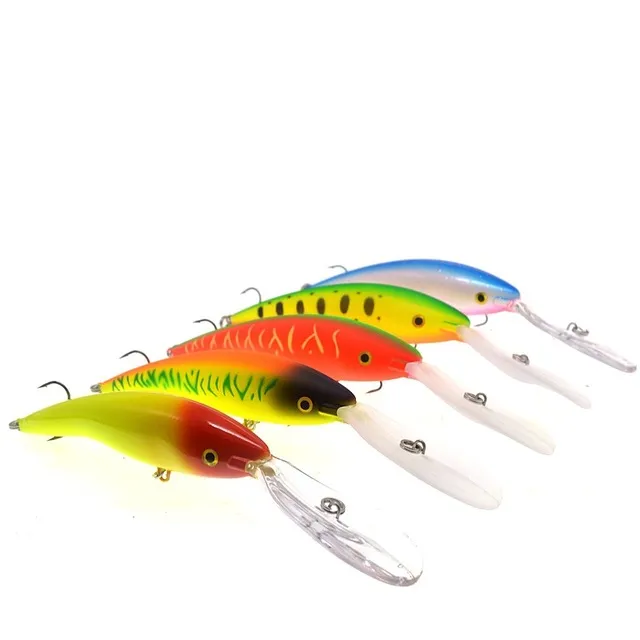 See product details
-
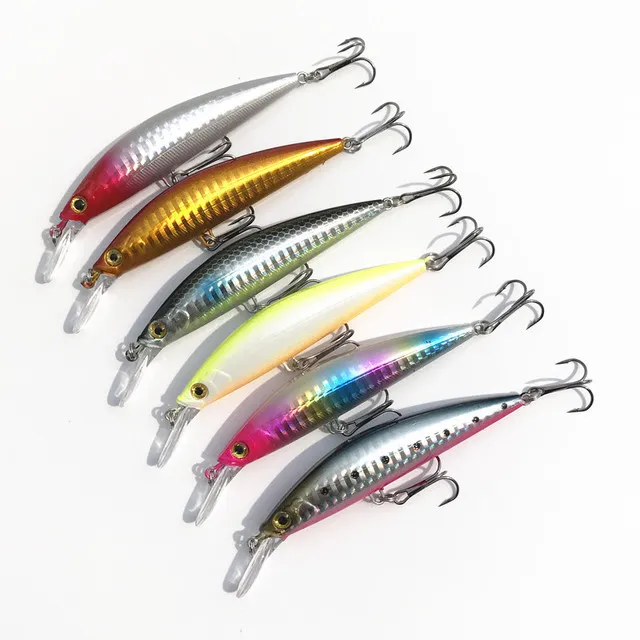 4 options available
Sinking Jerkbait Seabass Minnow 9cm 25g
From$10.99 -
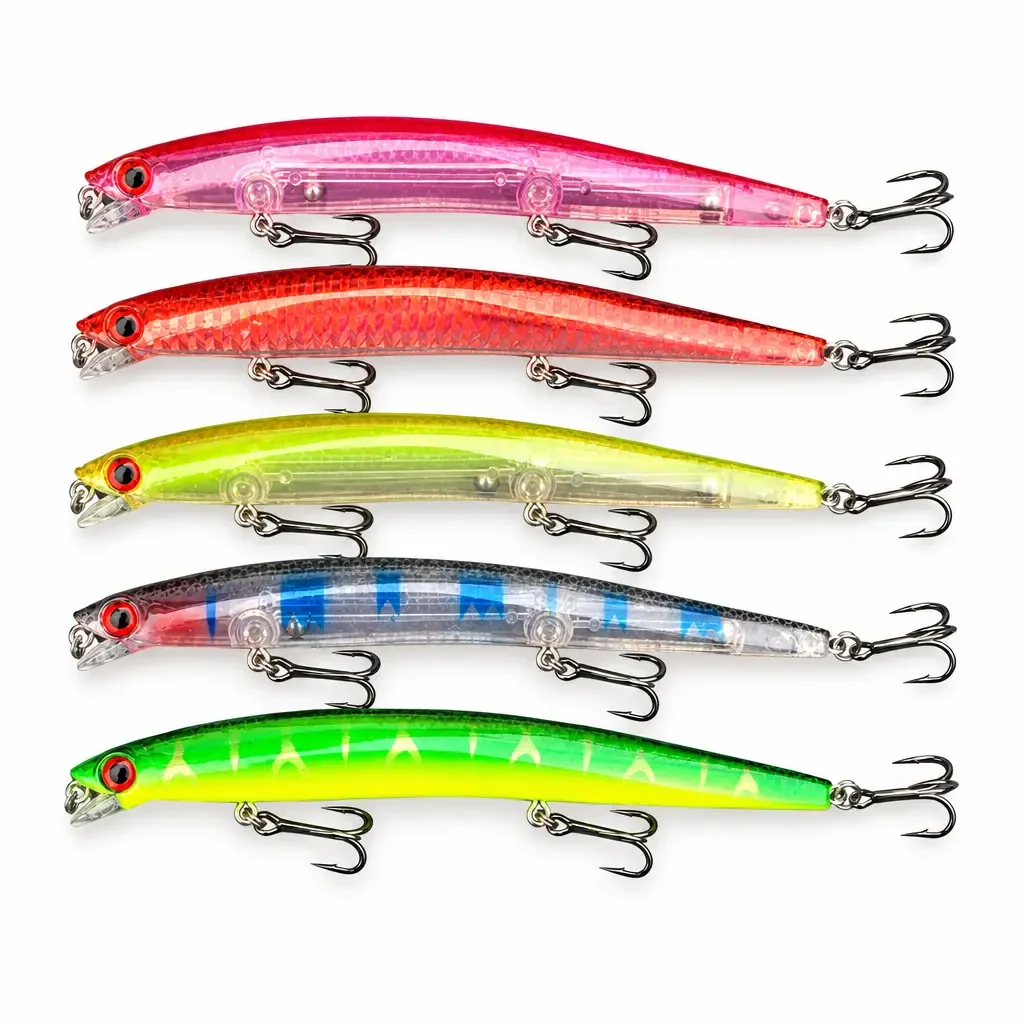 4 options available
Minnow Lure Hard Bait 13cm 13g
From$7.99 -
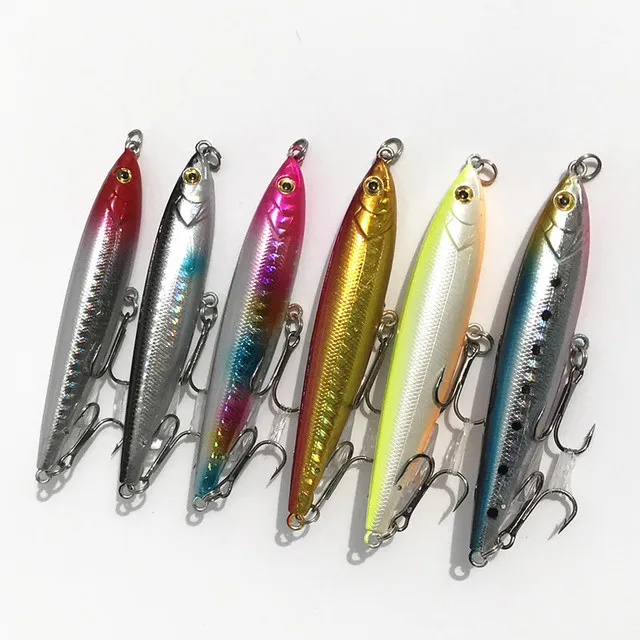 2 options available
Sinking Pencil Lure Long Cast 8cm 13.5g
From$8.99 -
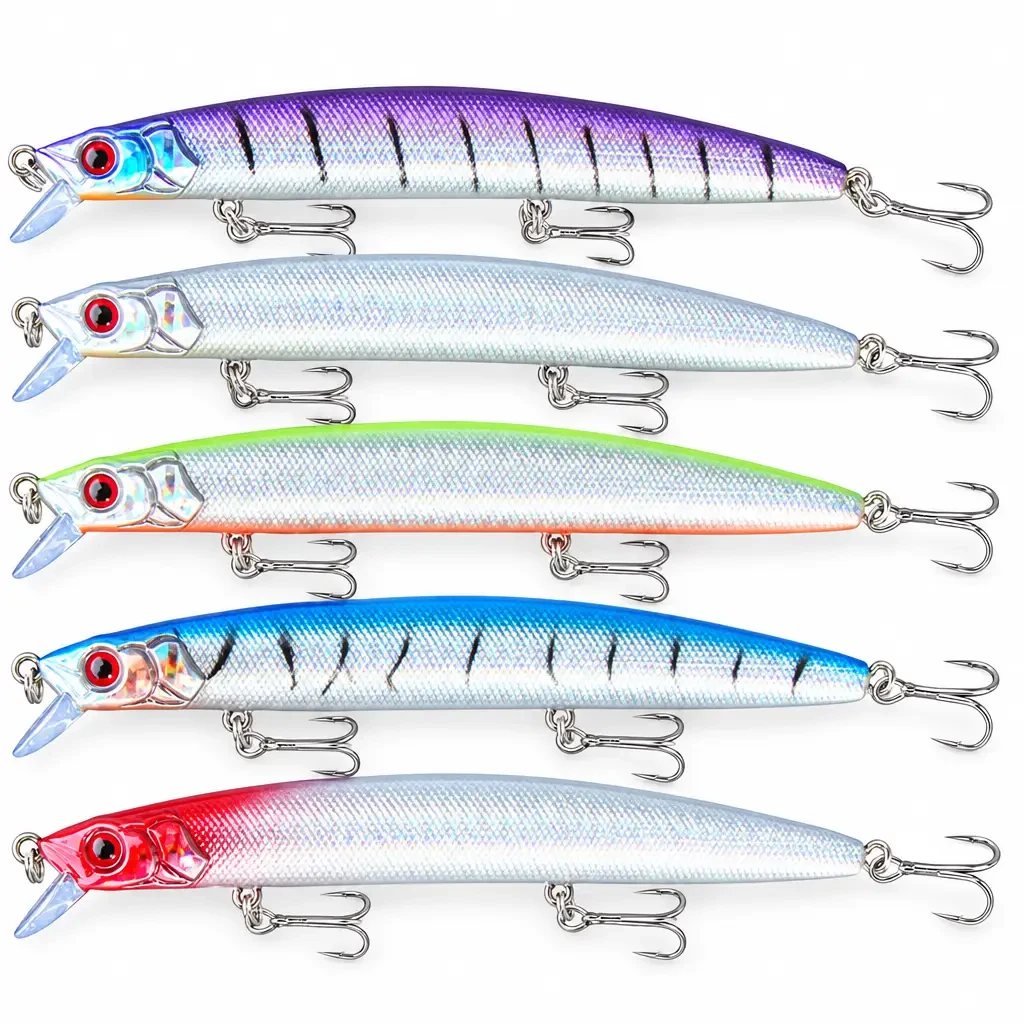 See product details
-
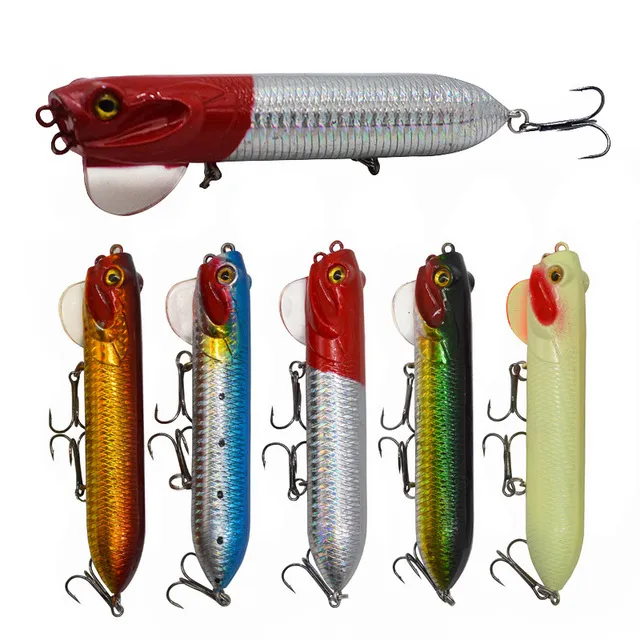 See product details
-
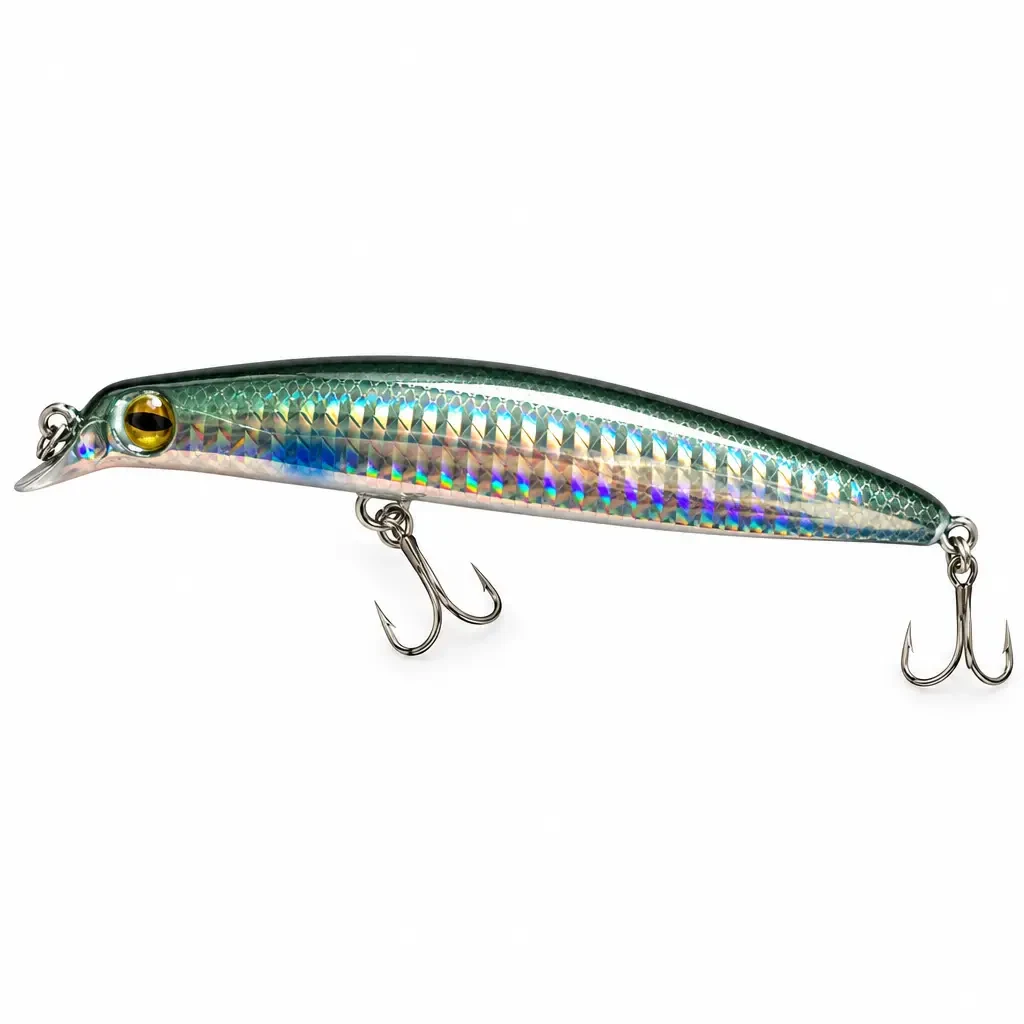 2 options available
Laser Minnow Lure for Bass 10.5cm 12cm
From$9.99 -
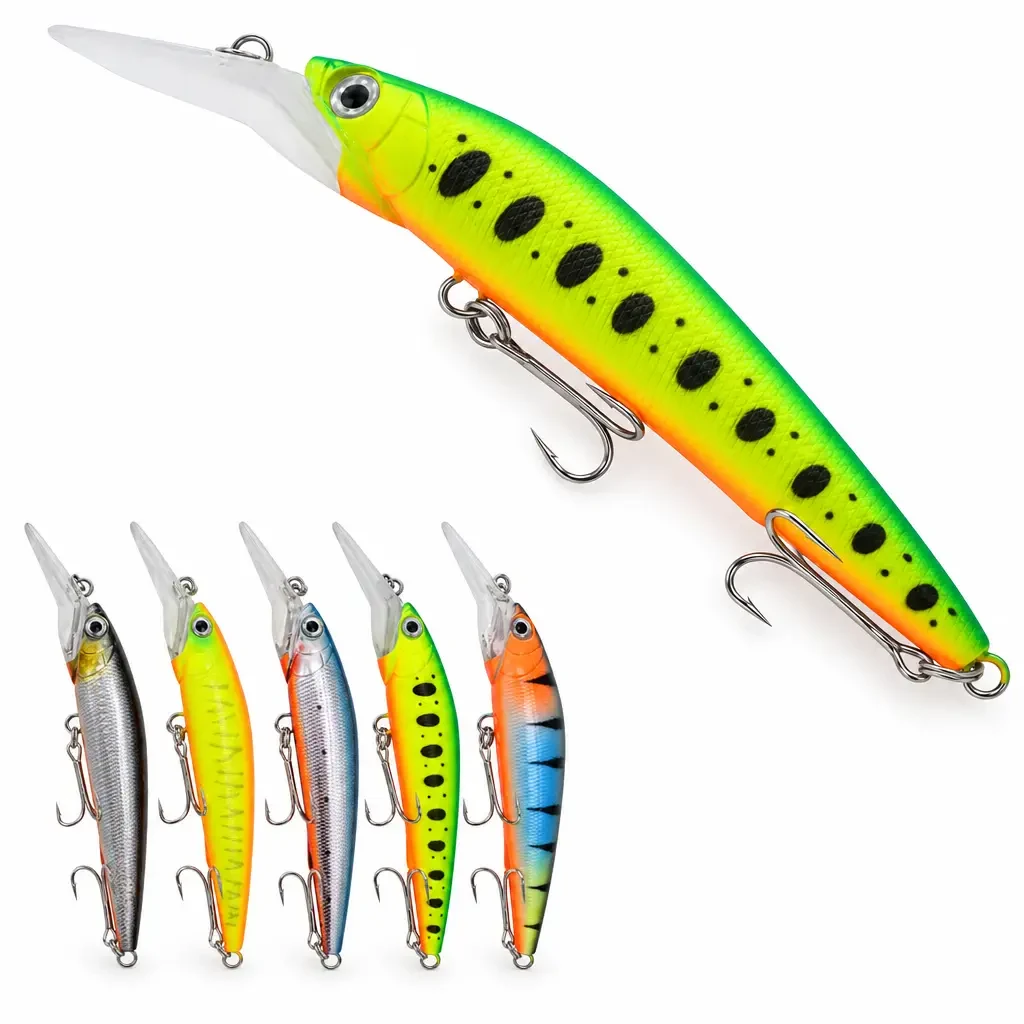 5 options available
-
 5 options available
-
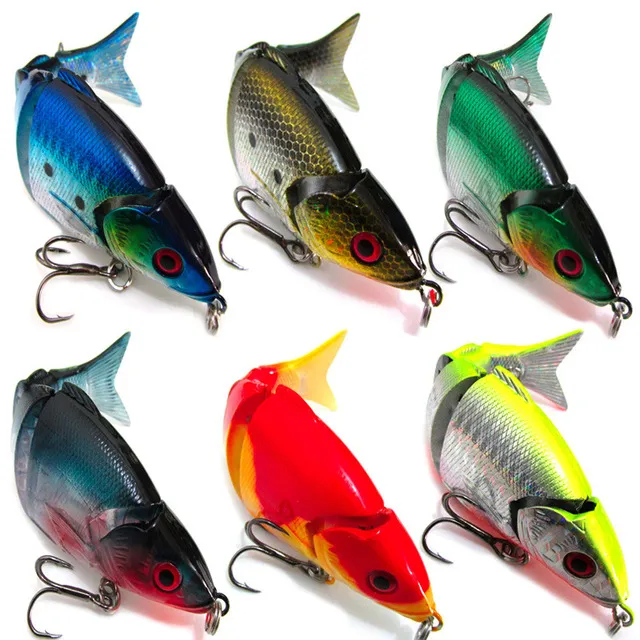 2 options available
Jointed Minnow Lure 5 Segment 125mm 20g
From$12.99 -
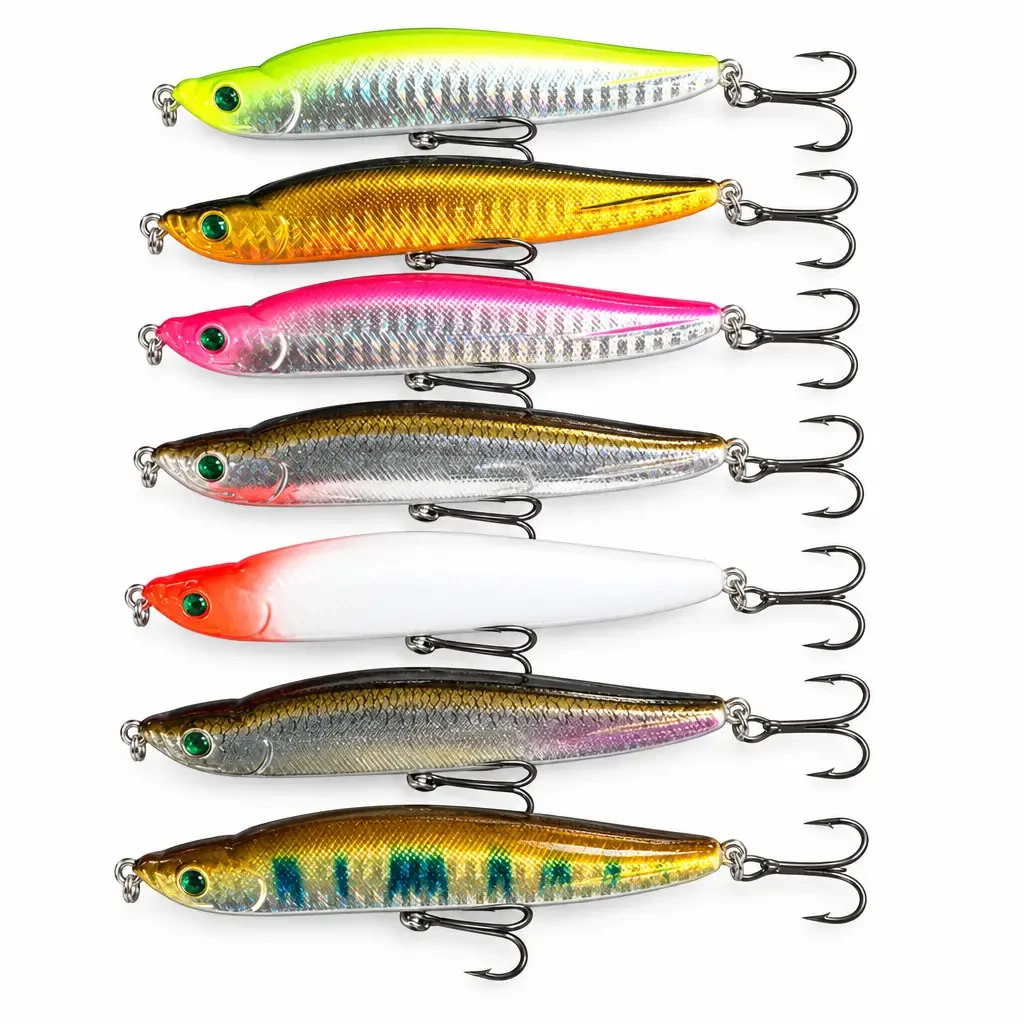 5 options available
-
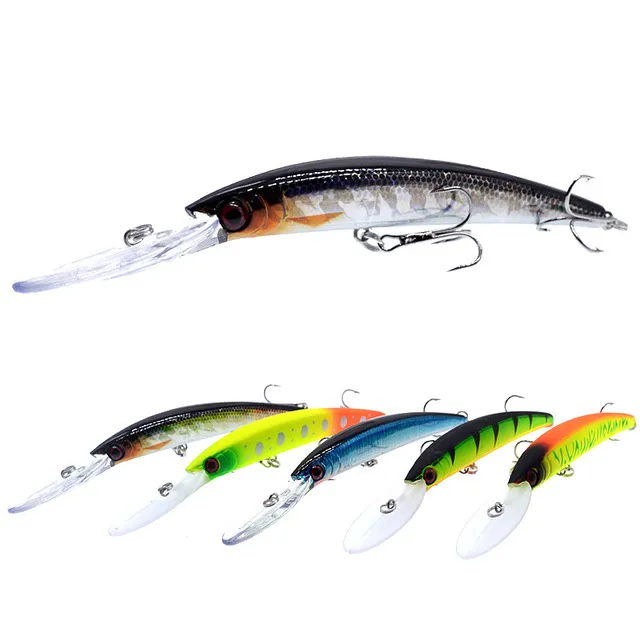 6 options available
Long Tongue Minnow Bait Hard 15cm 17cm
From$12.99 -
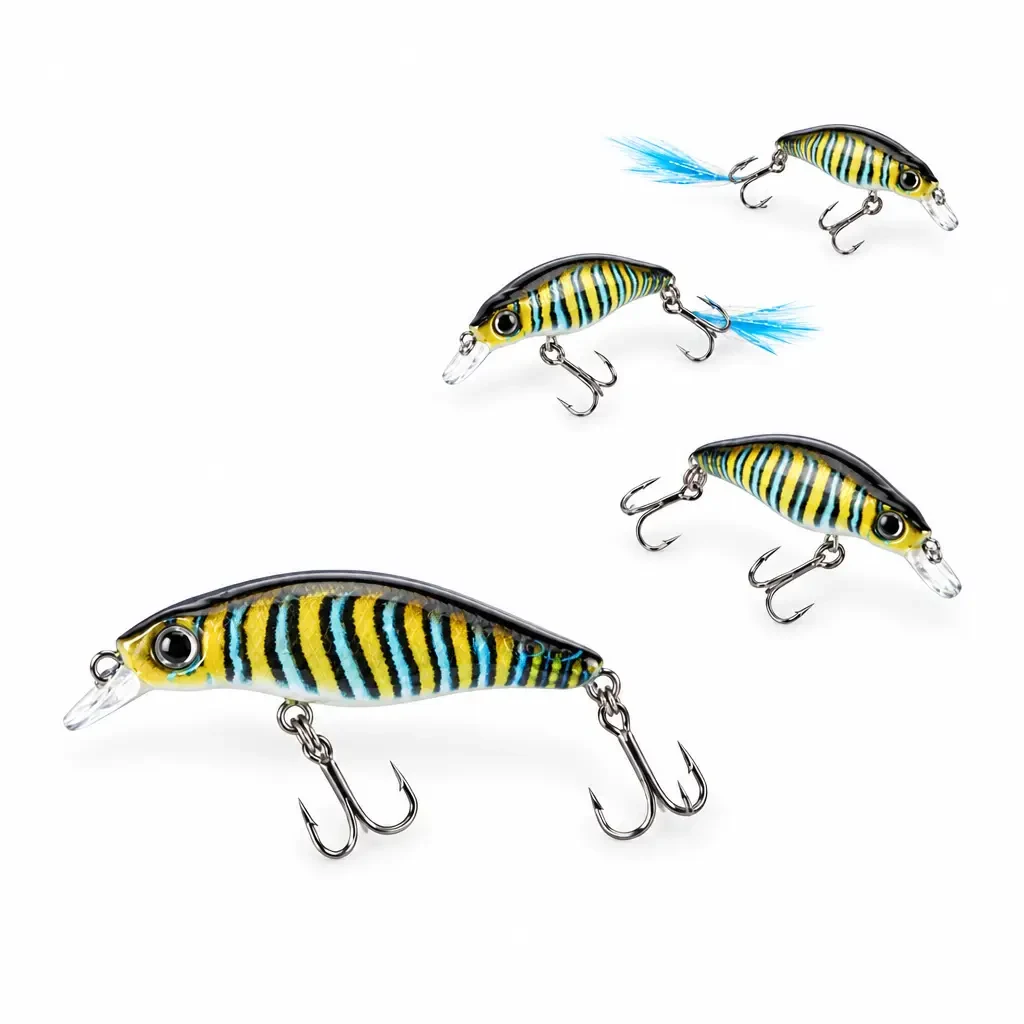 4 options available
-
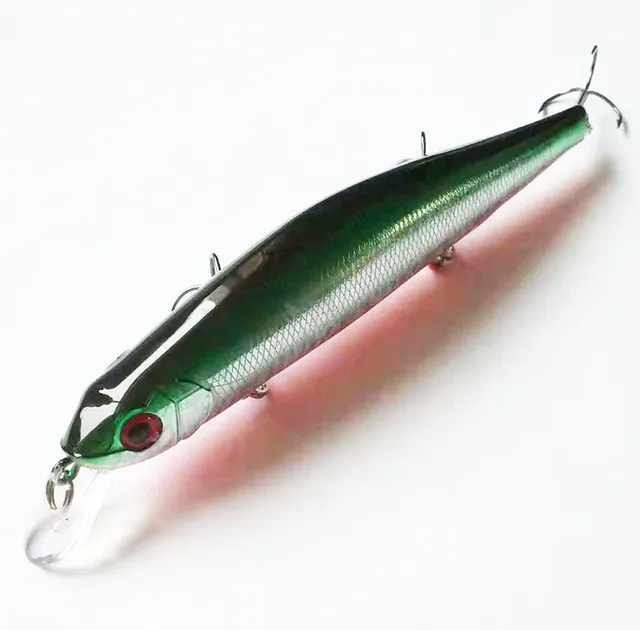 See product details
-
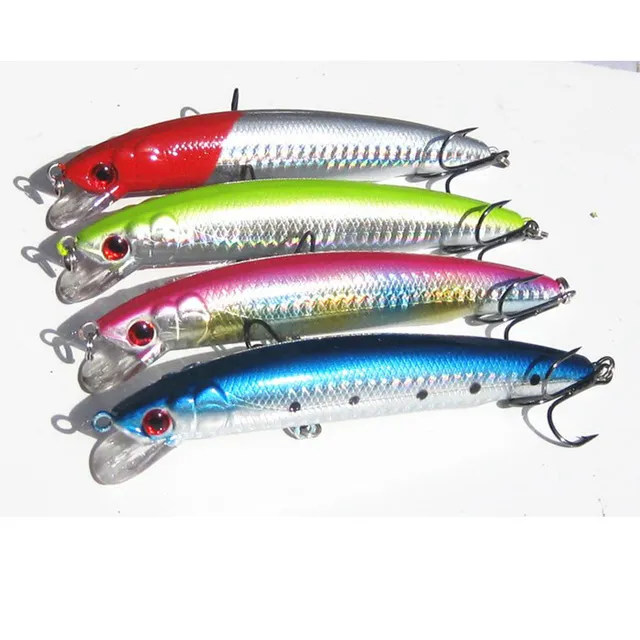 5 options available
-
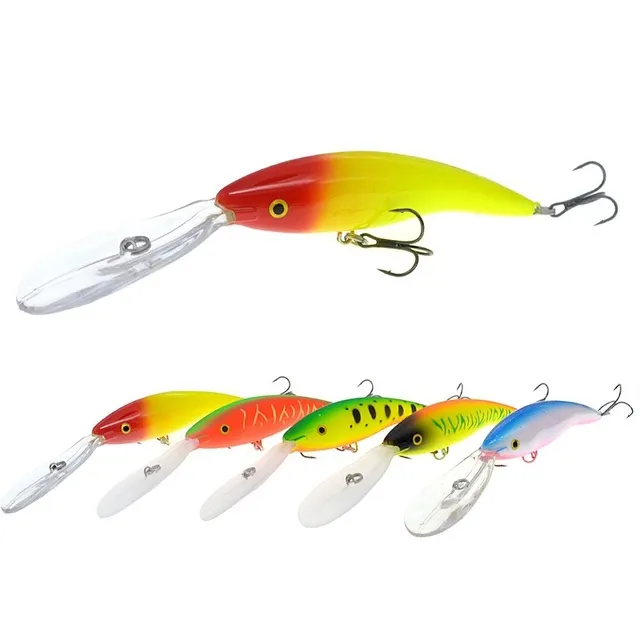 5 options available
Diving Minnow Lure Long Tongue 15.5cm 20g
From$12.99 -
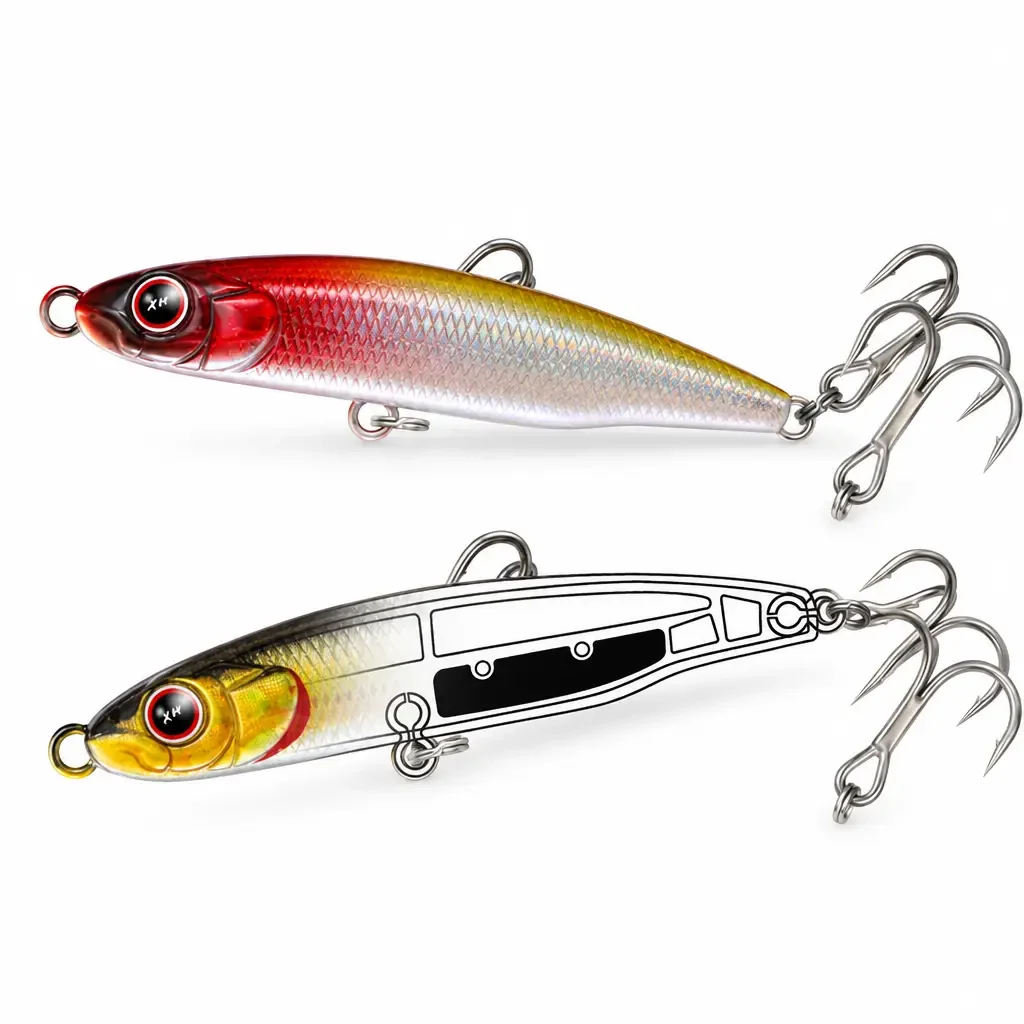 5 options available
Slow Sinking Stickbait Pencil 3.8g 5.8g
From$10.99 -
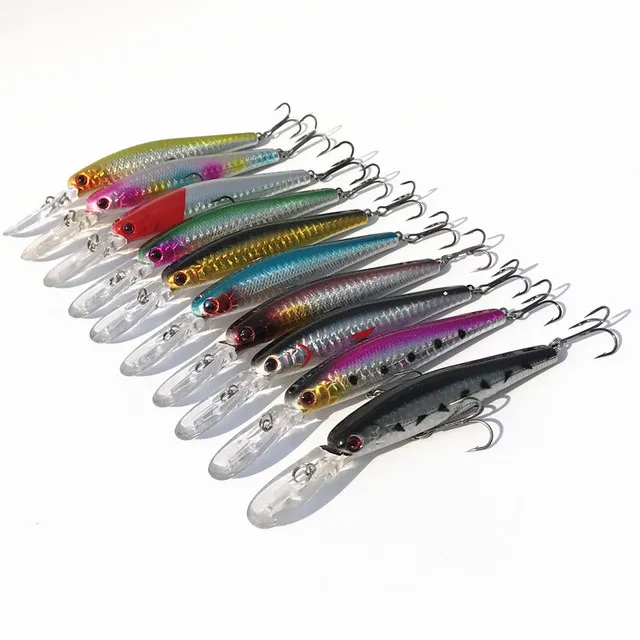 3 options available
-
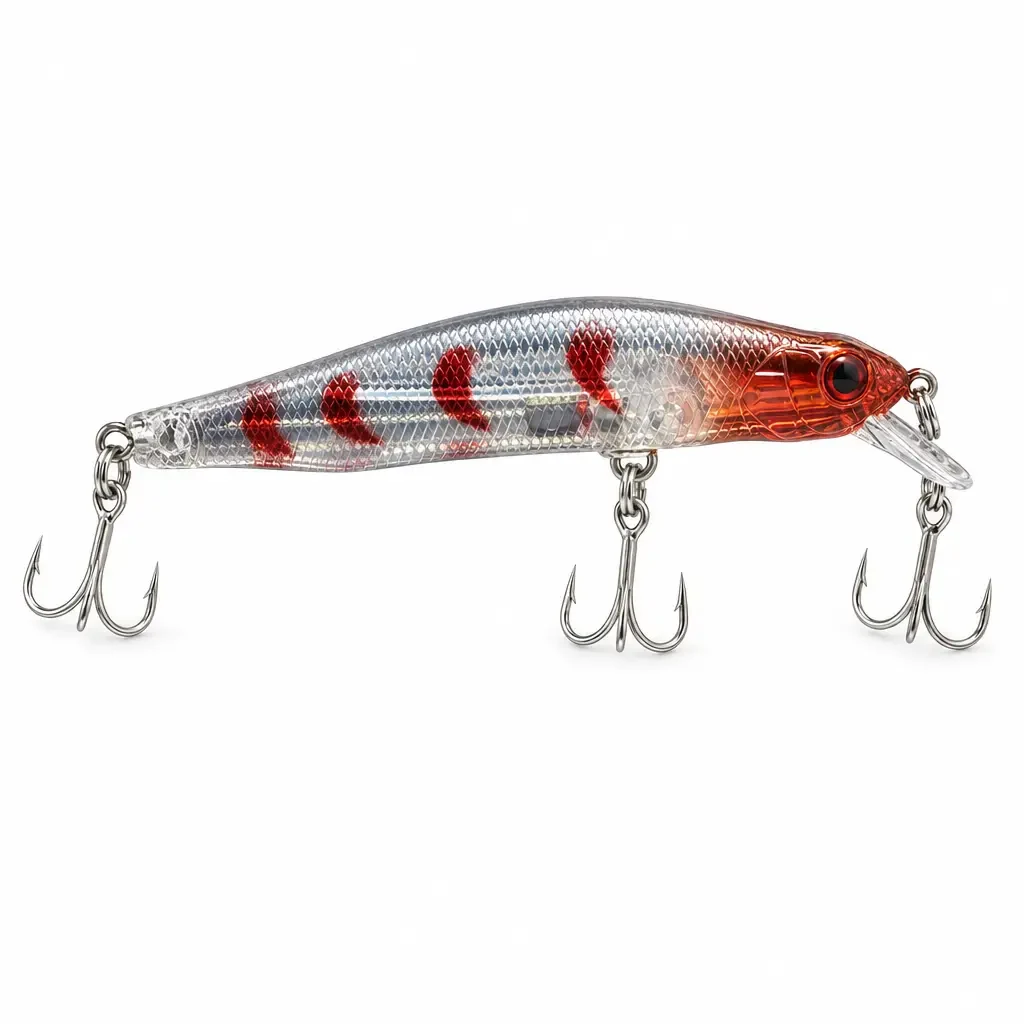 5 options available
Bass Jerkbait Suspend Minnow 9cm 9g
From$8.99 -
 4 options available
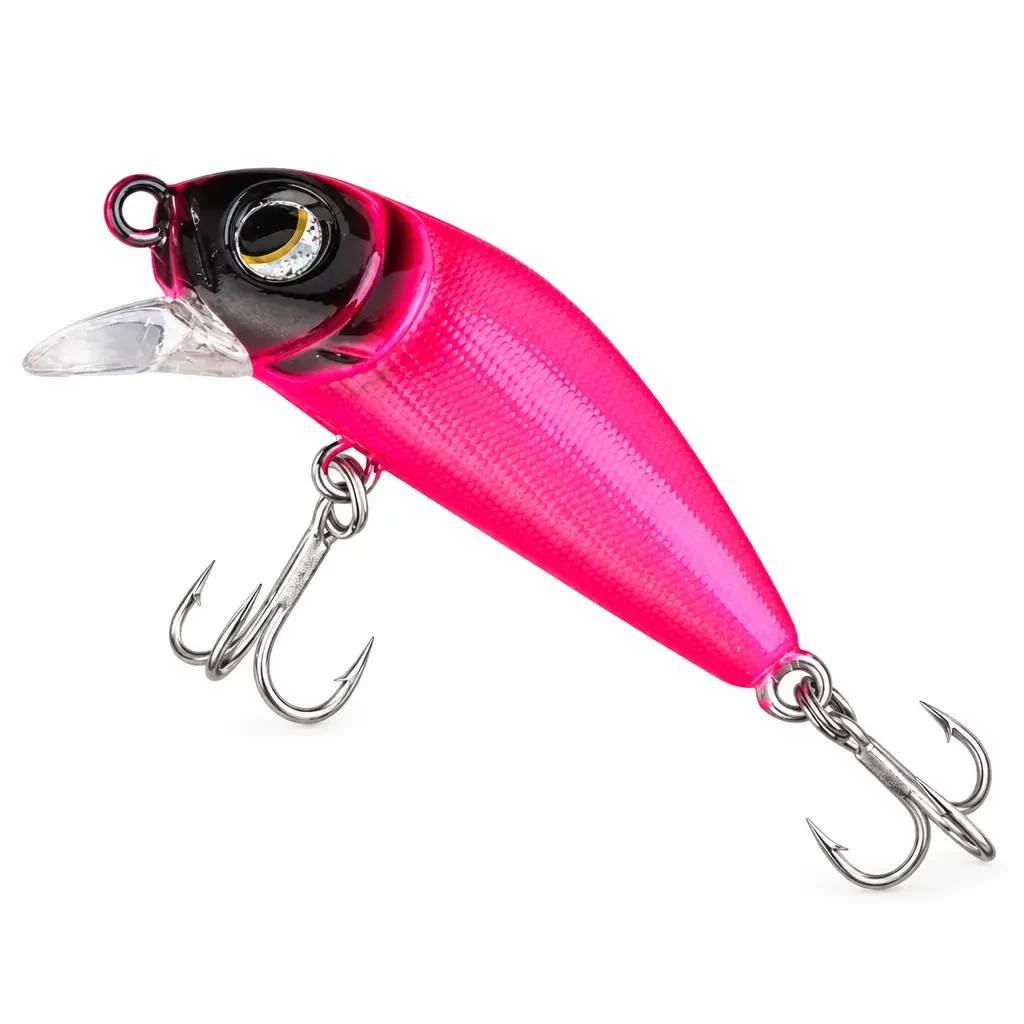
Slow Sinking Hard Bait 4.5cm 5g
From$8.99 -
 2 options available
-
 3 options available
-
 See product details
-
 3 options available
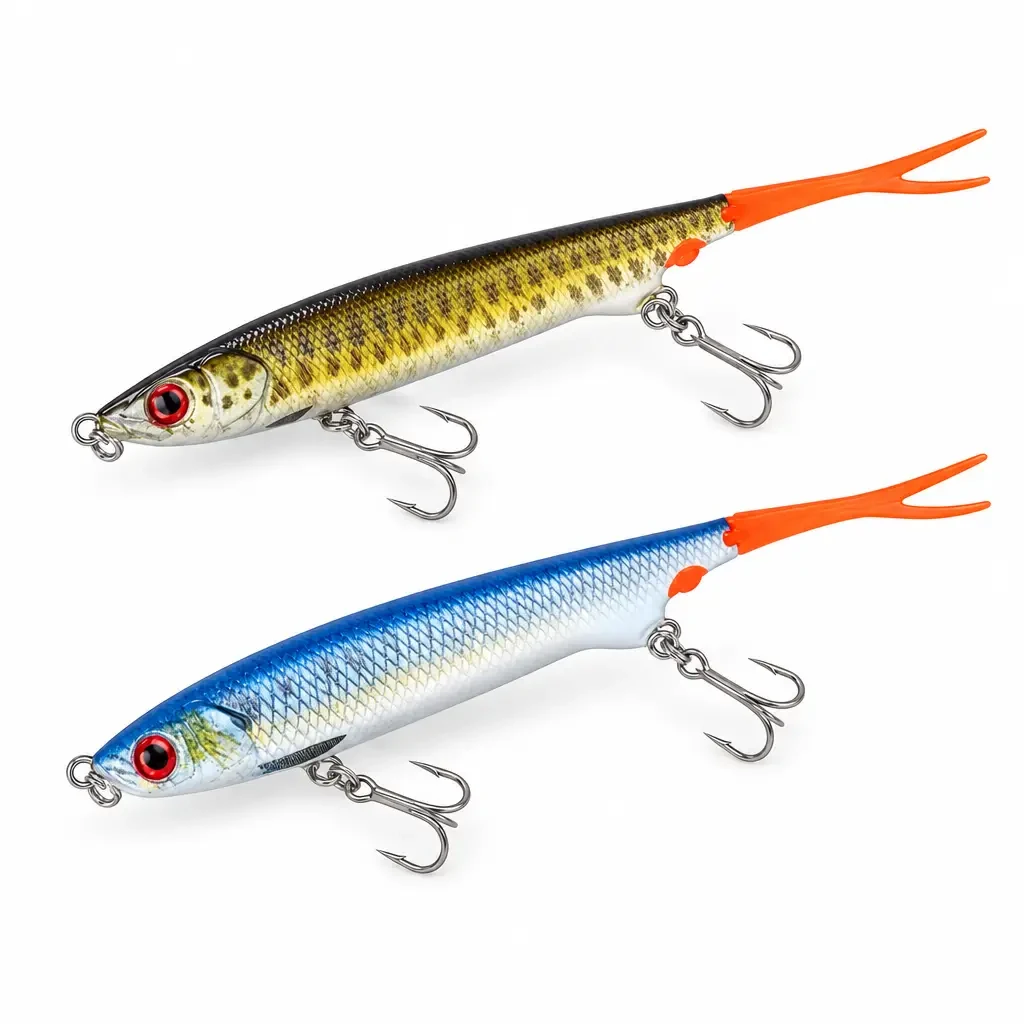
Sinking Stickbait with Changeable Tail 12cm
From$17.99 -
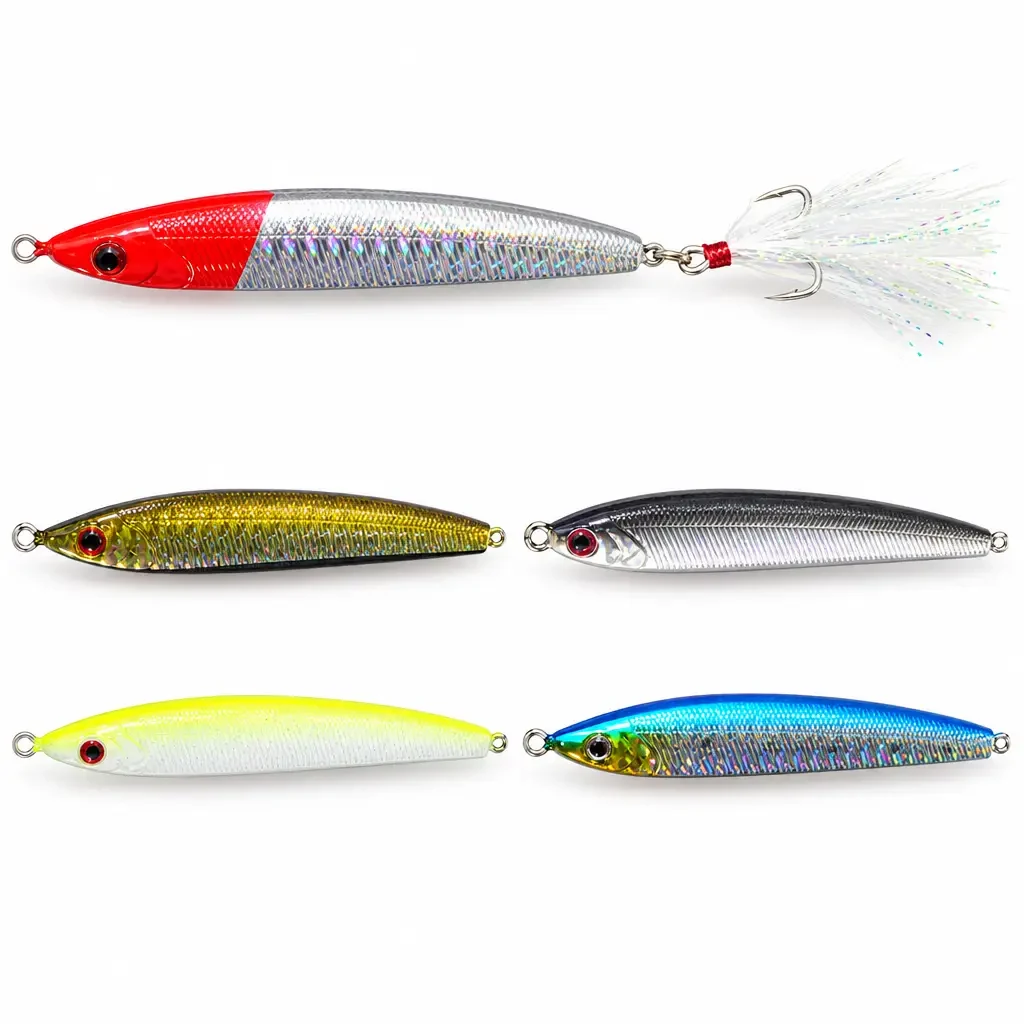 2 options available
-
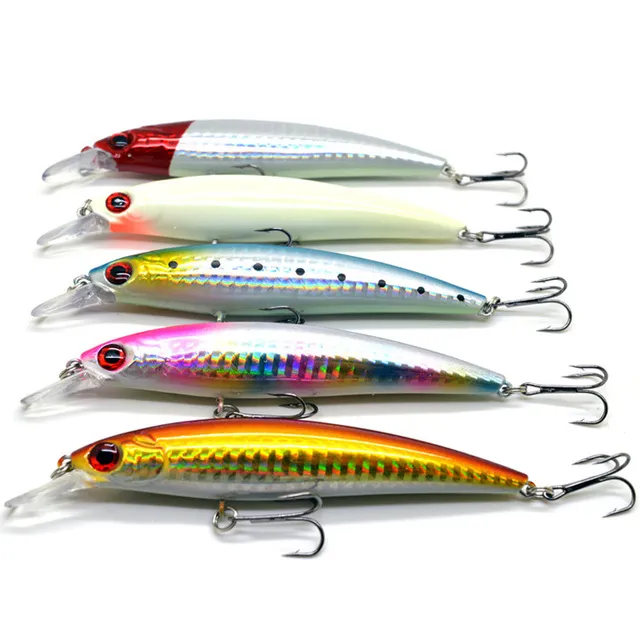 See product details
-
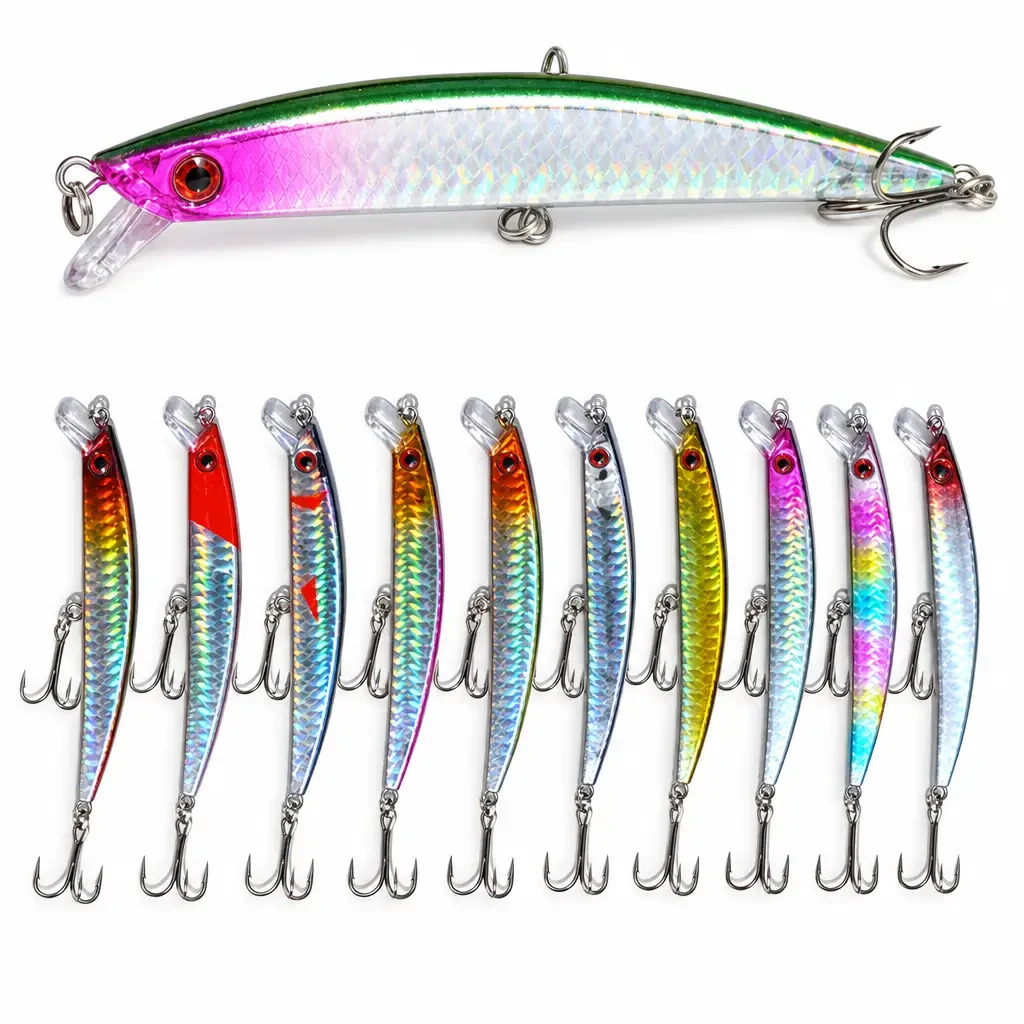 6 options available
Hard Jerkbait Diving Minnow 9cm 7.6g
From$7.99 -
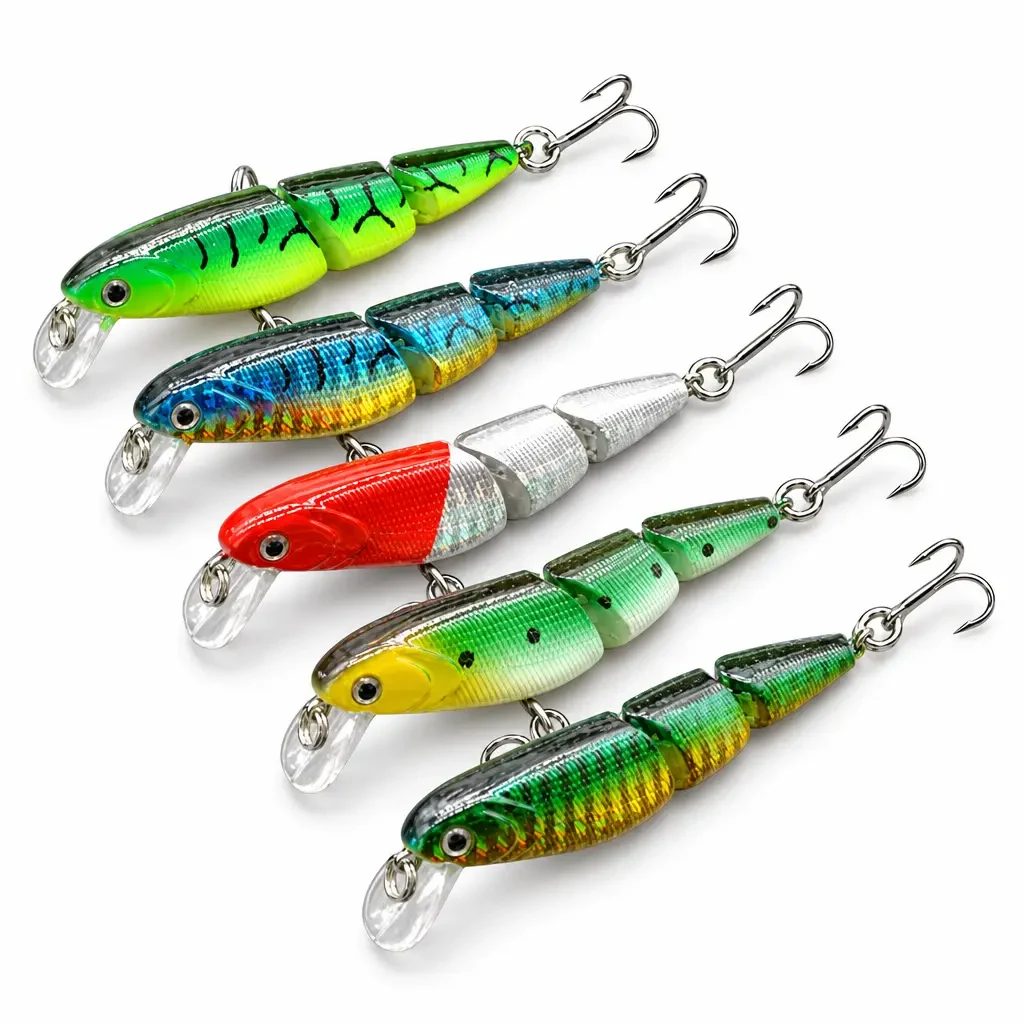 3 options available
Mini Jointed Minnow 3 Segment 7.5cm 9.2g
From$8.99 -
 4 options available
-
 See product details
-
 See product details
-
 See product details
-
 2 options available
-
 3 options available
-
 5 options available
-
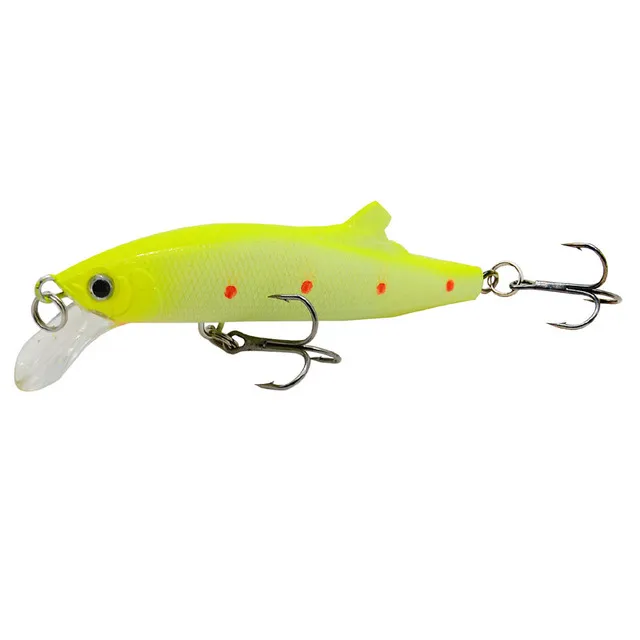 3 options available
Seabass Minnow Lure Long Cast 8.5cm 25g
From$9.99 -
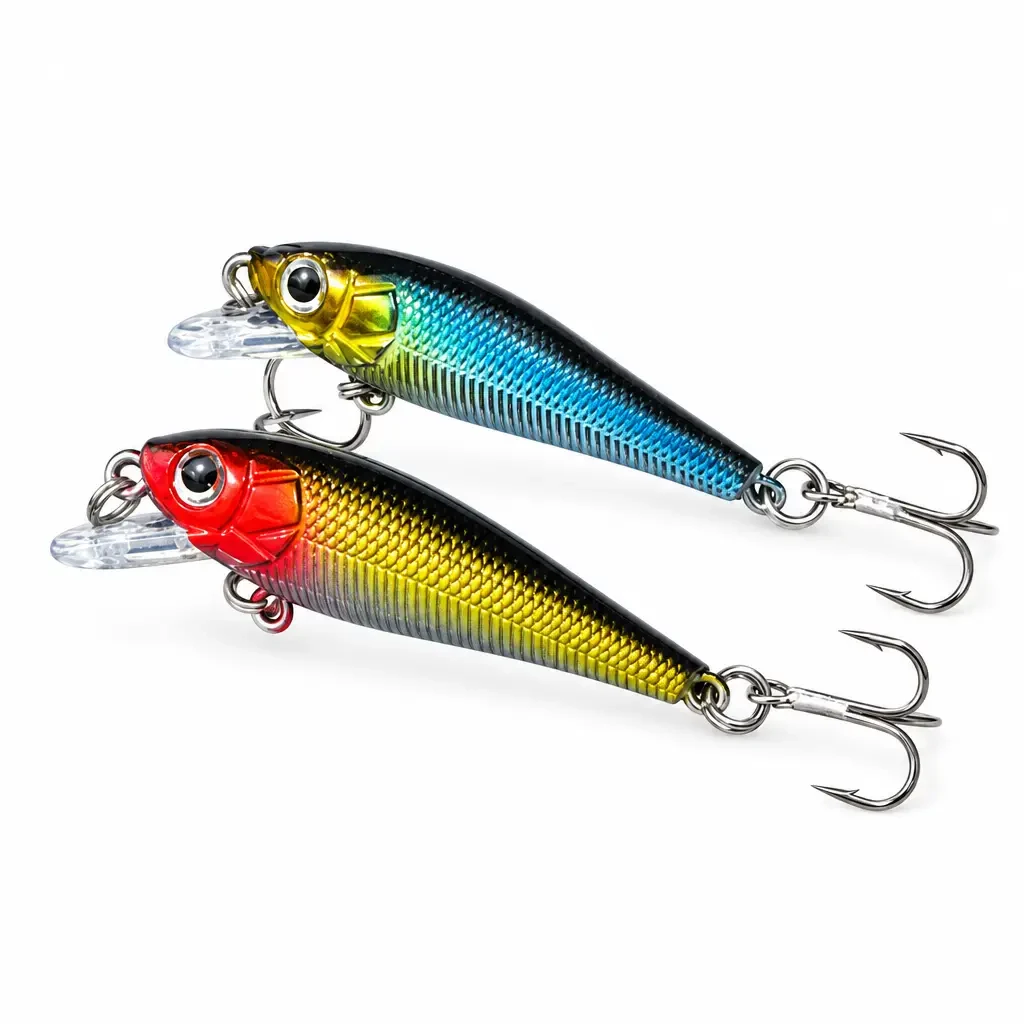 See product details
-
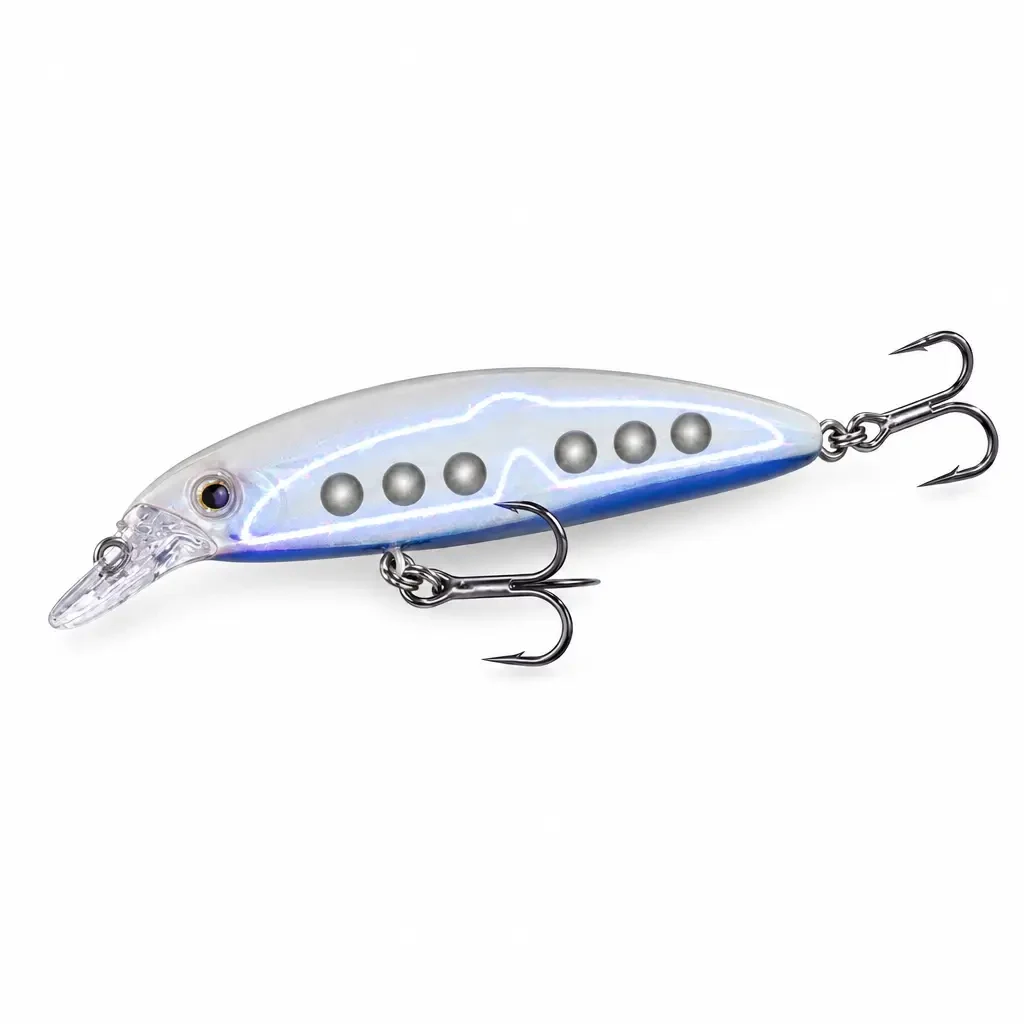 10 options available
-
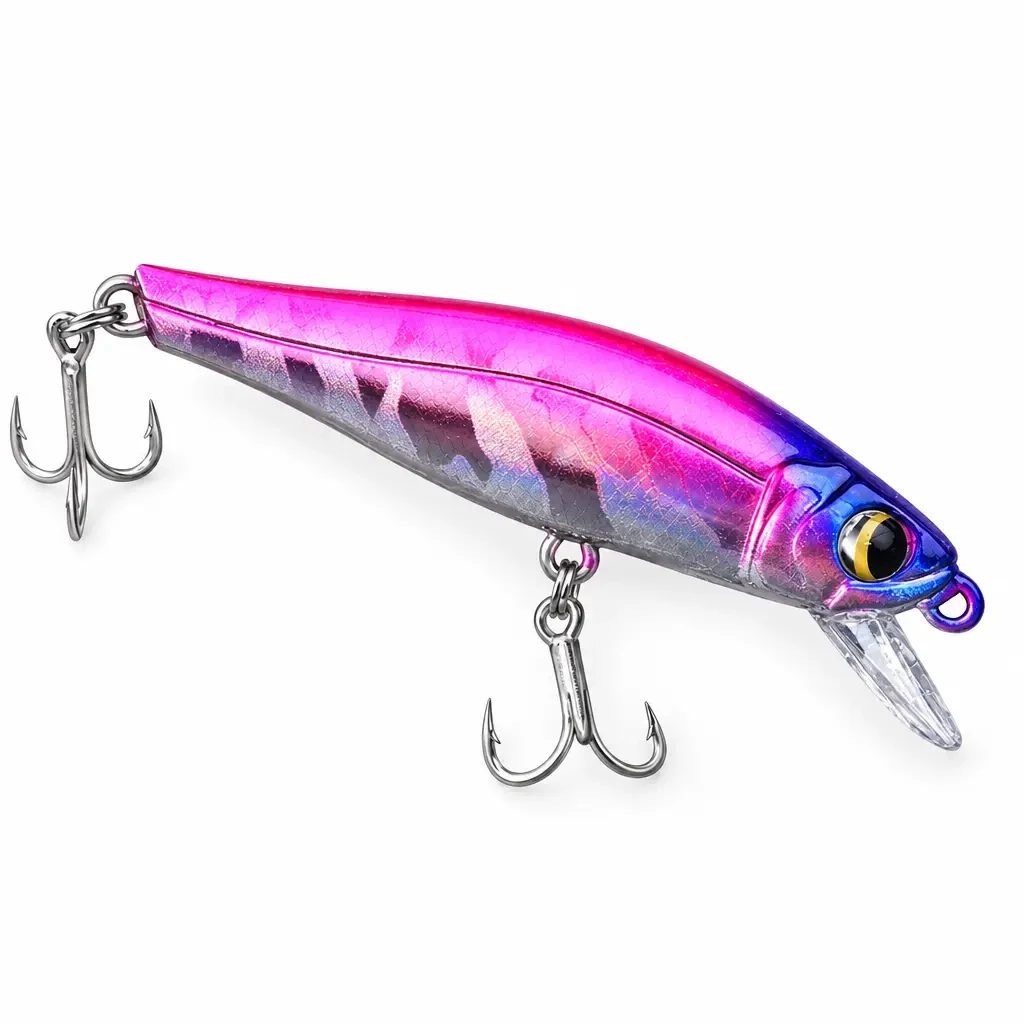 9 options available
Slow Sinking Jerkbait Minnow 6cm 7cm
From$8.99 -
 4 options available
-
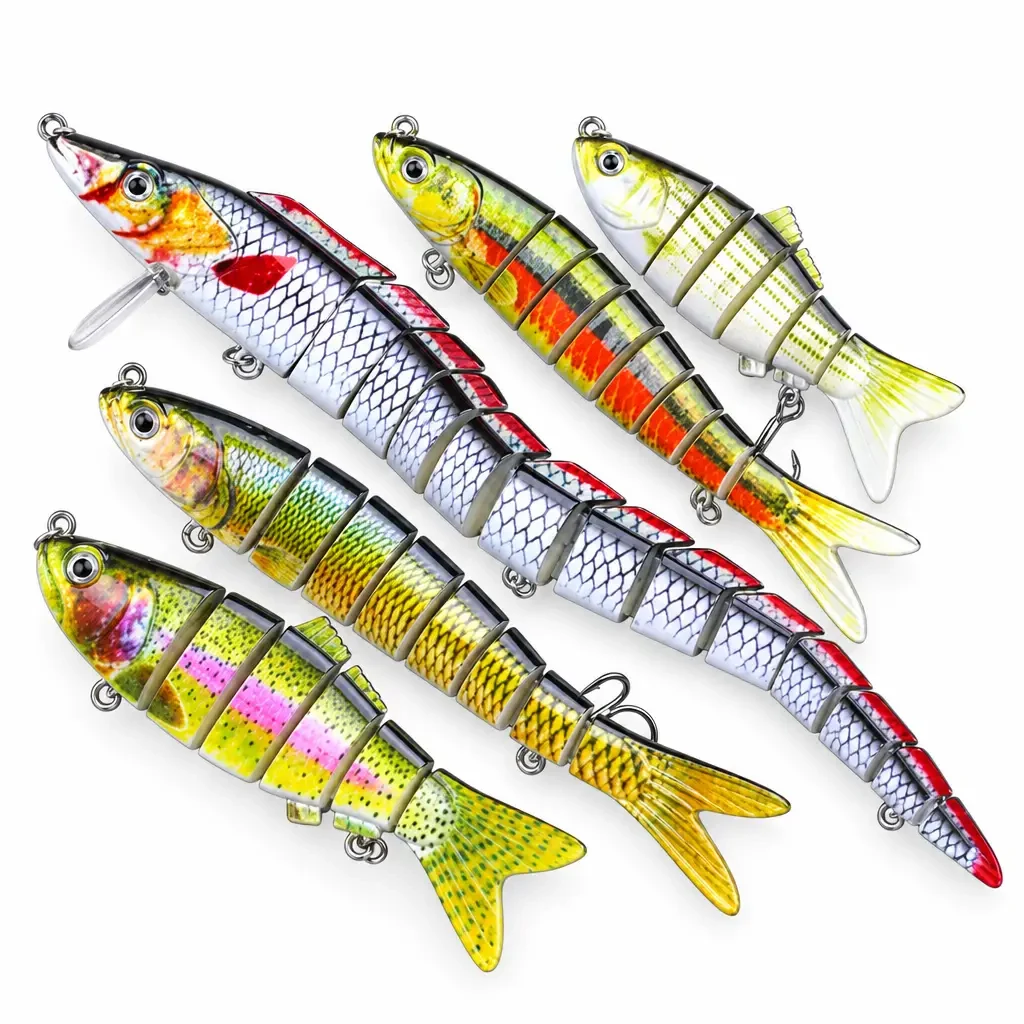 5 options available
Slow Sinking Swimbait 8 Segment Jointed
From$11.99 -
 See product details
-
 8 options available
-
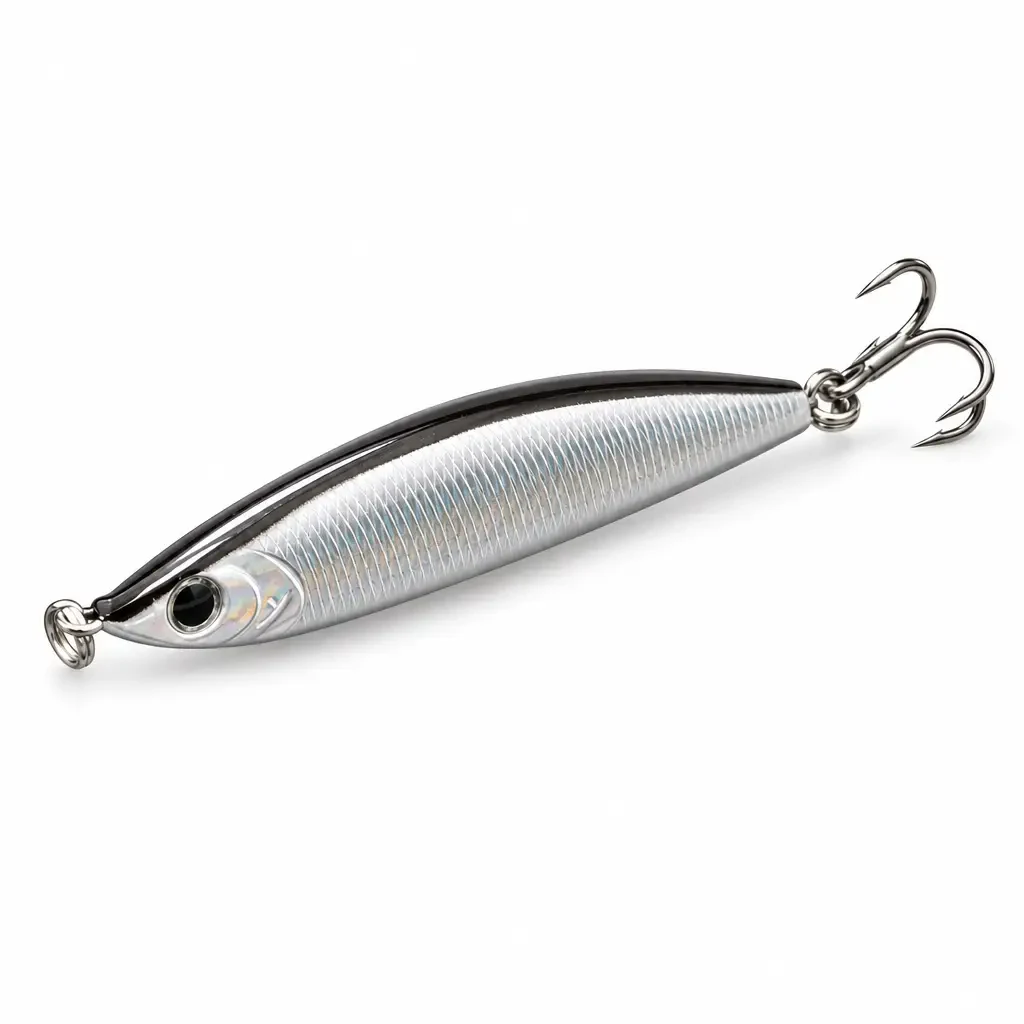 2 options available
Slow Walker Lure Sinking Pencil 13.5g 8cm
From$12.99 -
 6 options available
-
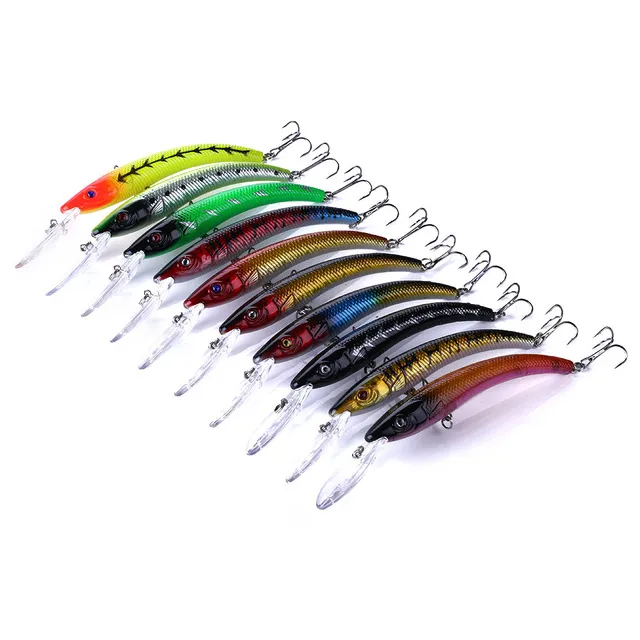 3 options available
Deep Diving Jerkbait Long Lip Minnow 16g
From$8.99
What Is a Jerkbait?
A jerkbait is a slim, hard lure that you work with short pulls of the rod tip rather than a steady wind of the reel. Each pull makes the bait dart to one side, then it slows or stops. This erratic action looks like a weak or injured baitfish.
Predators often strike during the pause, when the lure hangs still for a moment. That is why the way you work the rod matters as much as the lure itself.
Types of Jerkbaits
Jerkbaits differ in how they float, how deep they dive and how they move. Knowing the main styles helps you match the lure to the water in front of you.
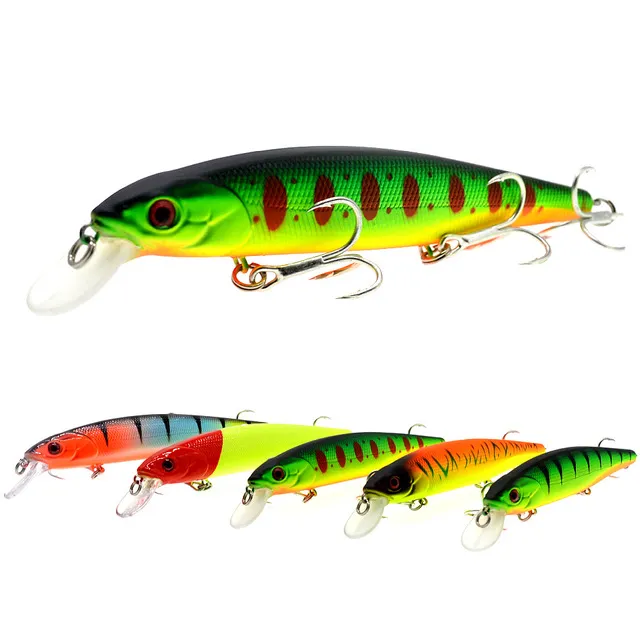
- Floating minnows: rise slowly on the pause and suit shallow water and fish feeding near the top.
- Slow sinking minnows: drop gently on the pause, which lets you hold the bait in the strike zone a little longer.
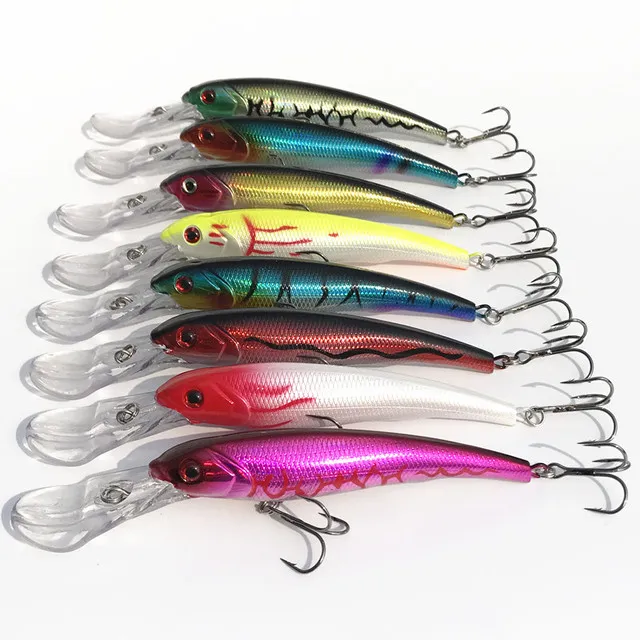
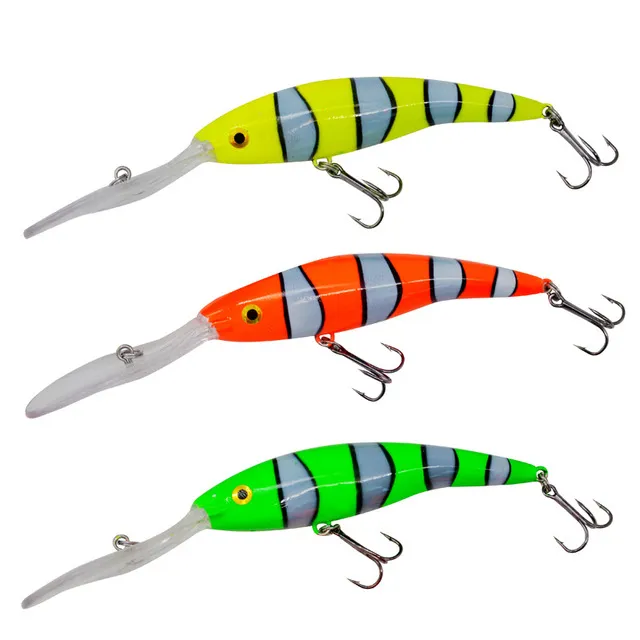
- Long lip and deep diving minnows: the larger lip pulls the lure down to deeper water and to fish holding near the bottom.
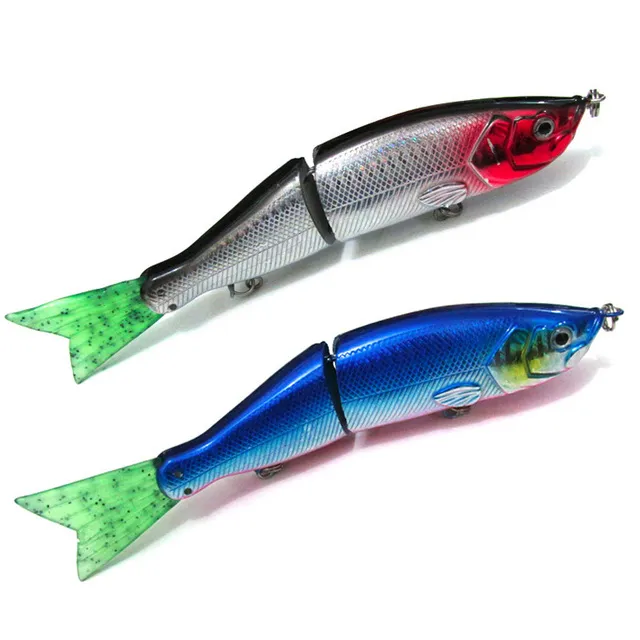
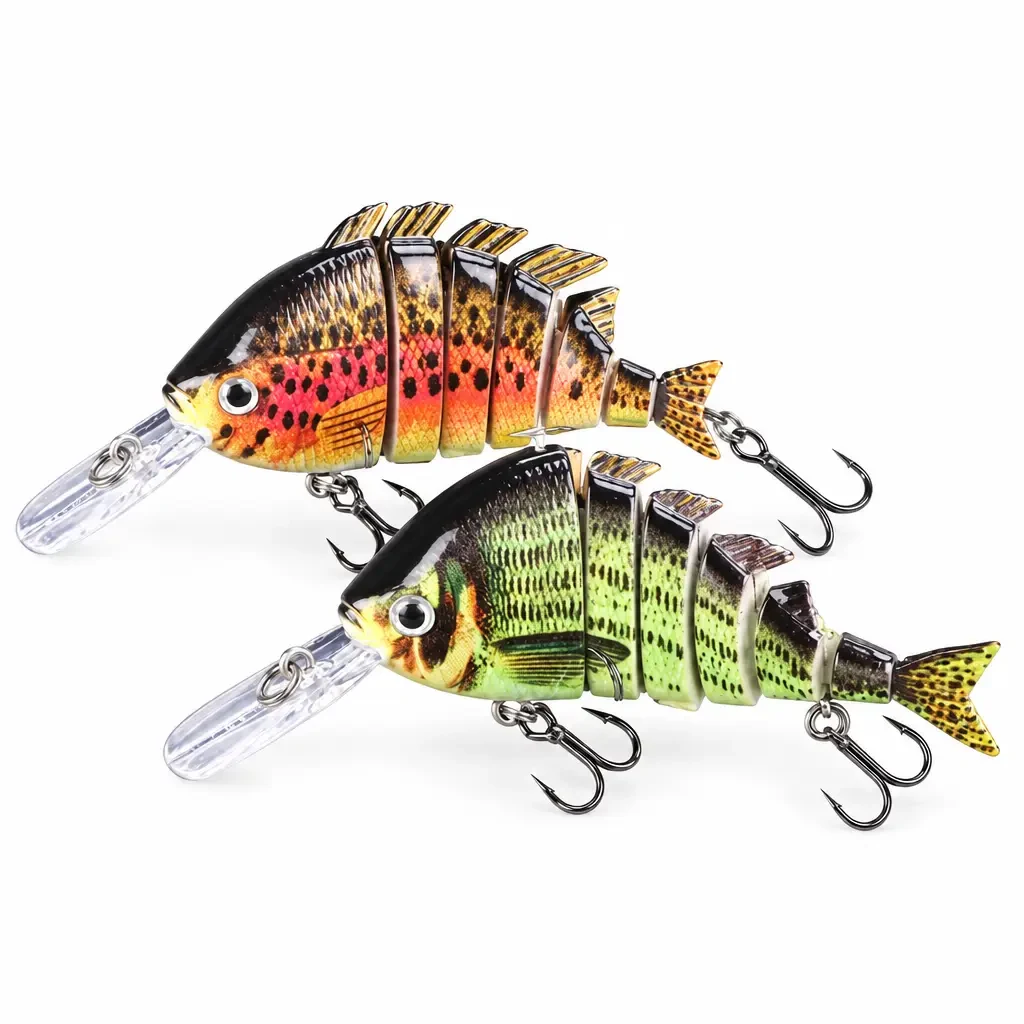
- Jointed minnows and swimbaits: two or more body segments give a looser, more lifelike swimming action.
- Sinking pencils: lipless and weighted, so they cast far and can be walked or twitched at different depths.
- Trolling minnows: larger baits made to run behind a moving boat for big predators.
How to Fish a Jerkbait
Cast out, wind down to bring the lure to its working depth, then start a rhythm of two or three sharp twitches followed by a pause. Keep a little slack in the line between twitches so the bait can dart freely.
Change the length of the pause until the fish respond. In cold water a long pause often works better. In warmer water fish may chase a faster, more aggressive rhythm.
- Most strikes come on the pause, so watch your line closely.
- Try a steady wind with the occasional twitch when fish are active.
- Fish close to weed edges, drop-offs and rocks where predators wait.
Choosing the Right Size and Colour
Match the size of the lure to the baitfish in the water and to the fish you target. Small minnows suit perch, trout and bass, while larger baits suit pike, seabass and other big predators.
Natural colours work well in clear water. In murky water or low light, brighter patterns, laser finishes, glow bellies and rattles can help fish find the lure. Many of our product names list the length and weight, so you can check the fit before you order.
Jerkbaits FAQ
What does a jerkbait imitate?
A jerkbait imitates a small baitfish that is weak, injured or trying to escape. The darting action and sudden pauses look like easy prey, which can trigger a reaction strike from predators even when they are not feeding hard.
When is the best time to use a jerkbait?
Jerkbaits work in most seasons, but many anglers rely on them in cool and cold water. Fish are often slow then, and a lure that pauses in front of them is easy to take. They also work well in clear water.
How do I work a jerkbait correctly?
Use short, sharp pulls of the rod tip with slack line between them, then pause. Vary the number of twitches and the length of the pause until fish respond. Most strikes come while the lure sits still.
What rod and line should I use for jerkbait fishing?
A medium or medium-heavy rod with a fast tip suits most jerkbait fishing, because the tip makes the twitches crisp. Use a line that suits your target fish. Add a wire or heavy leader when you fish for pike.