
Fishing Hooks
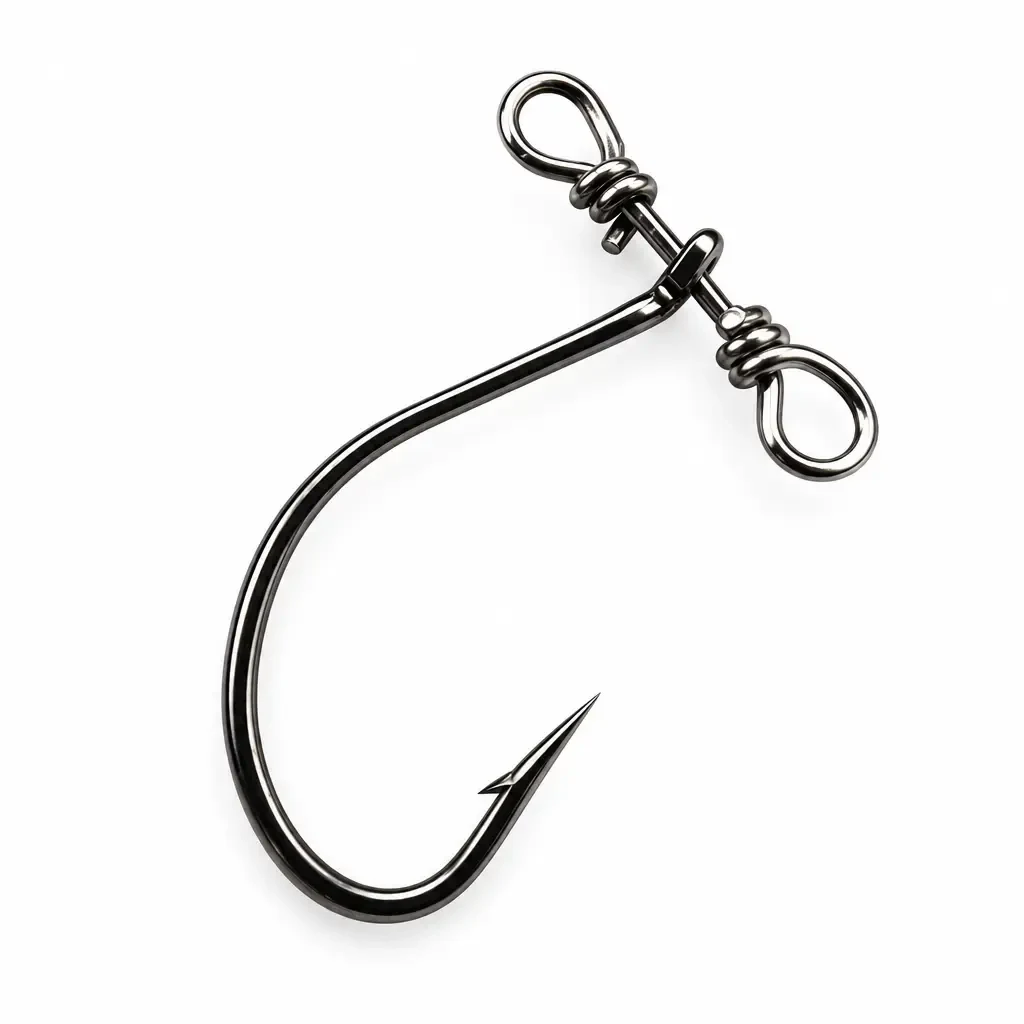
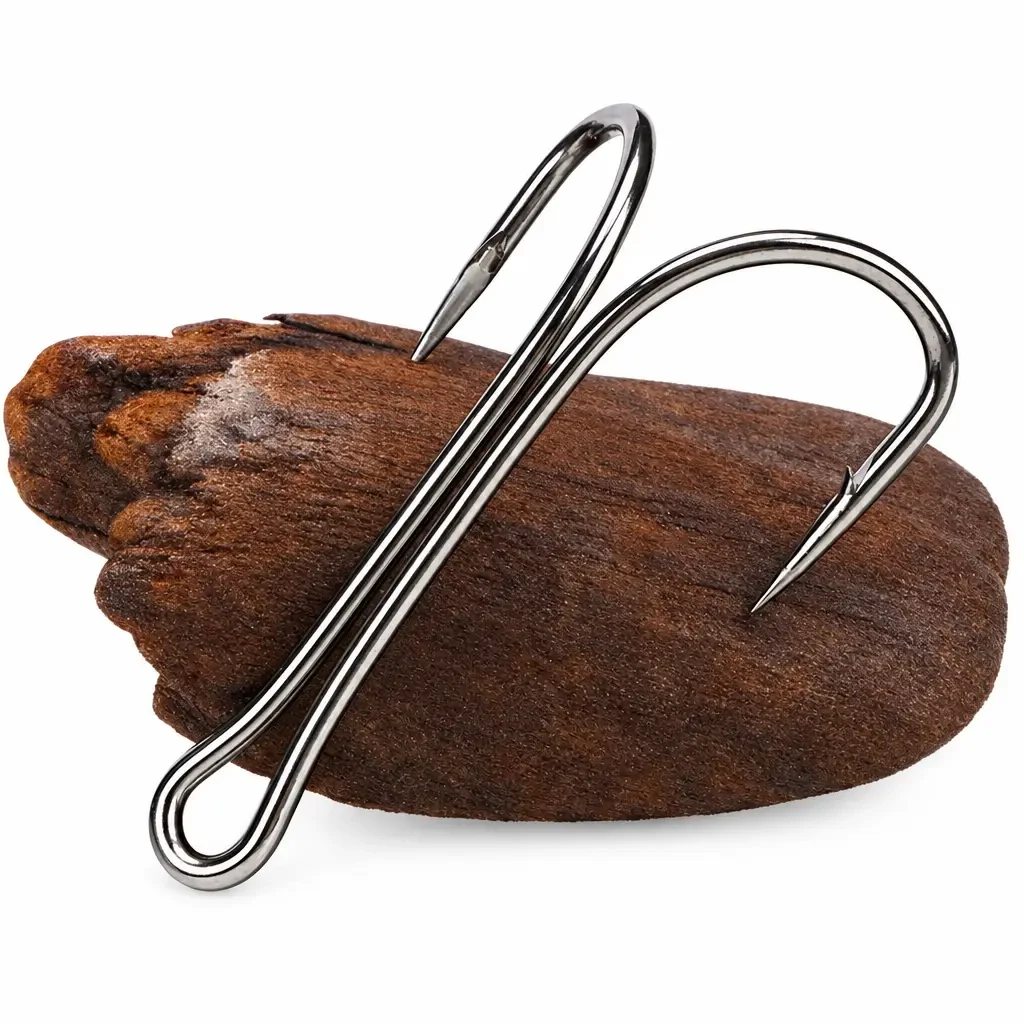
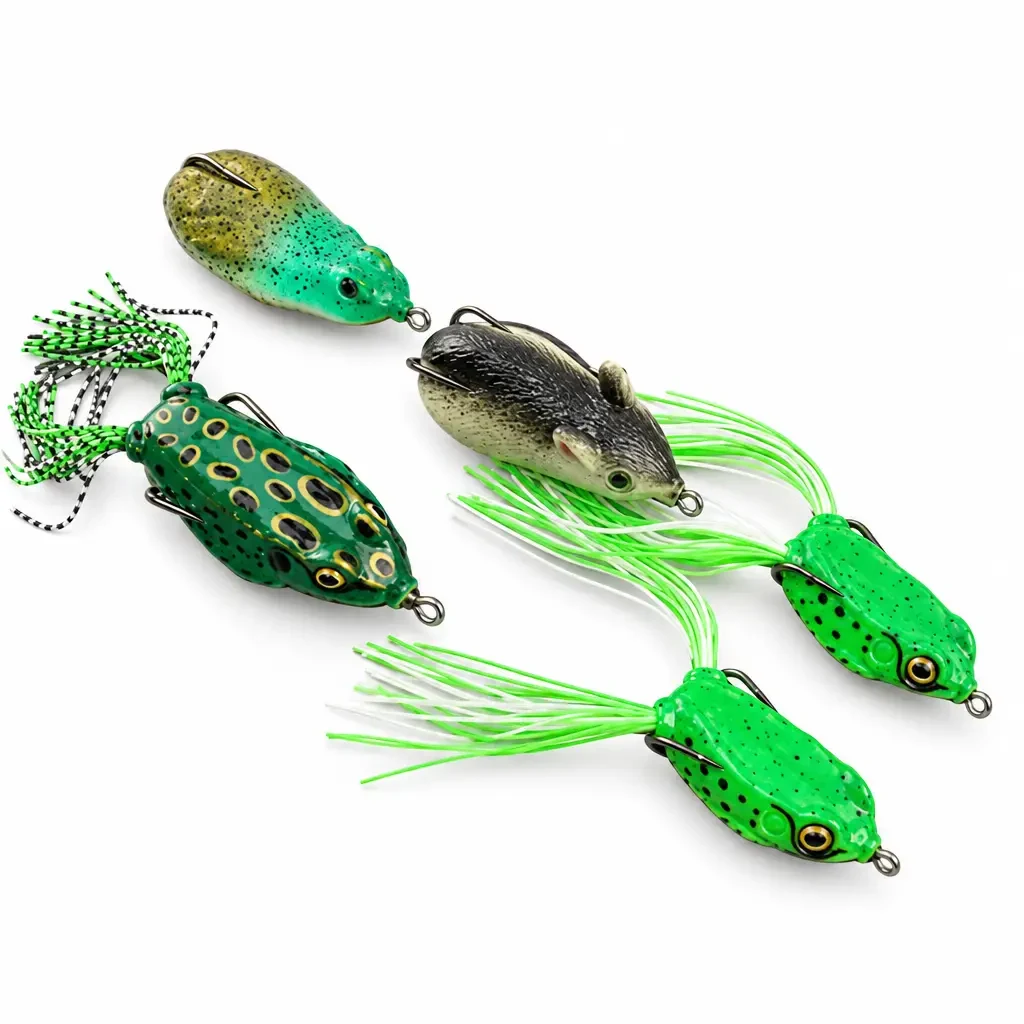
Fishing hooks for bait and lure fishing in fresh and salt water: worm hooks for Texas and drop-shot rigs with soft plastics, treble hooks for replacing hooks on hard baits, octopus circle hooks and baitholder hooks for natural bait, frog double hooks for weedless topwater, and small stream, competition and ice fishing hooks for trout and panfish. Sizes run from 12 up to 5/0, in packs of 4 to 50, from $5.99.
Read more-
Best Seller
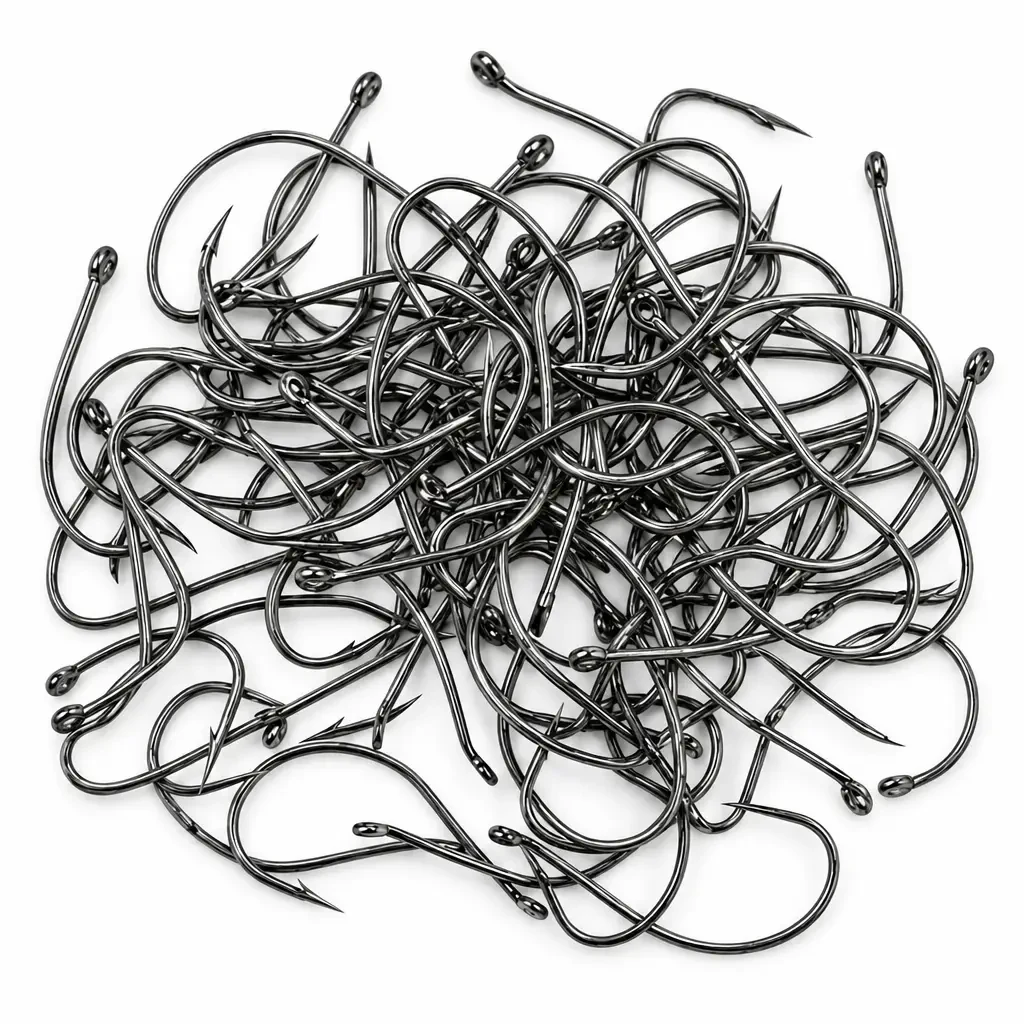 4 options available
-
Best Seller
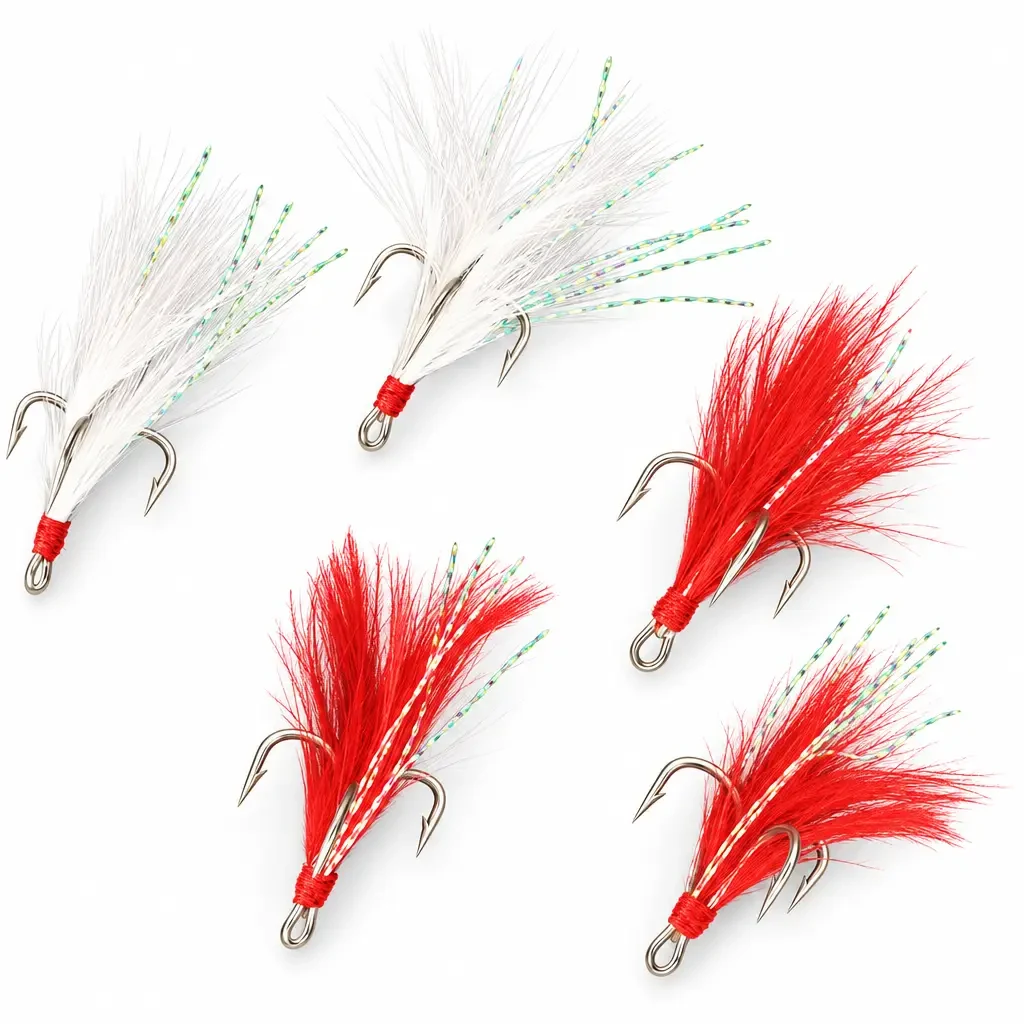 8 options available
-
Best Seller
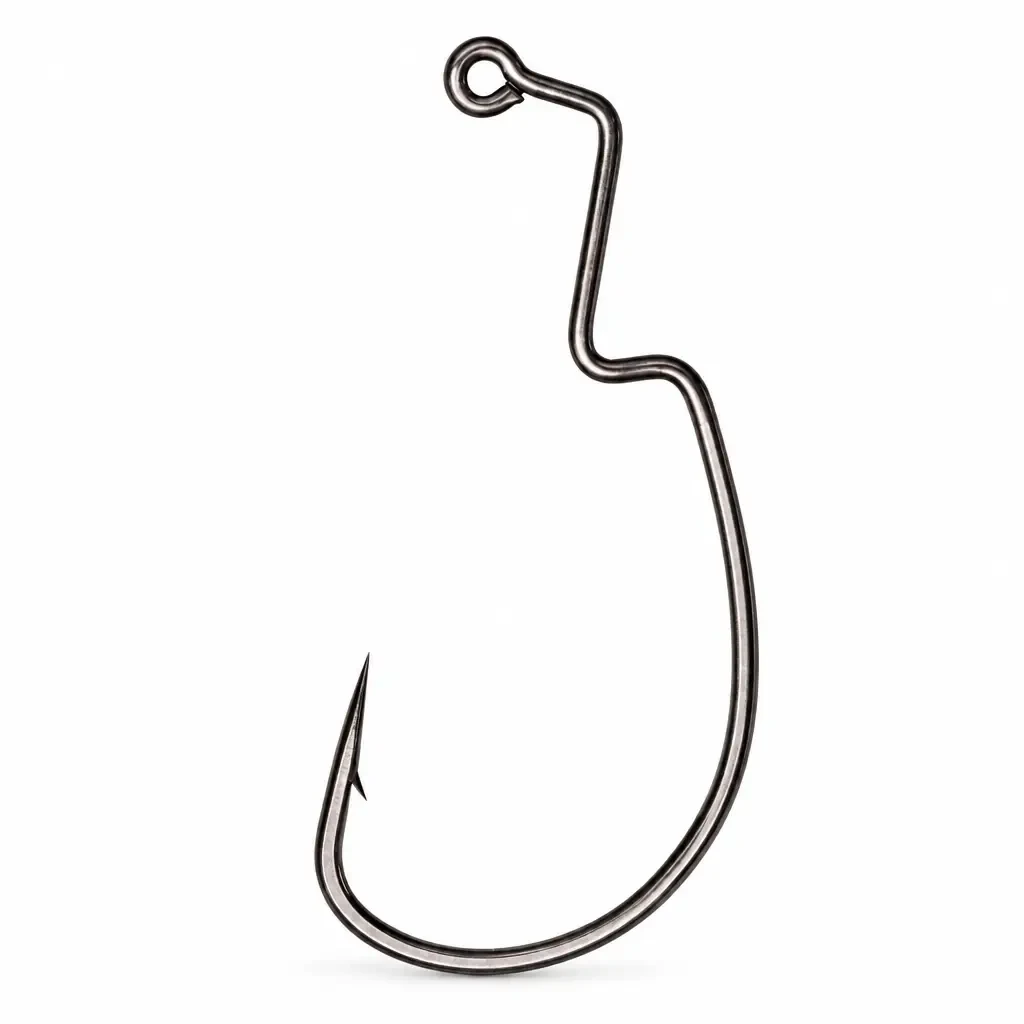 3 options available
-
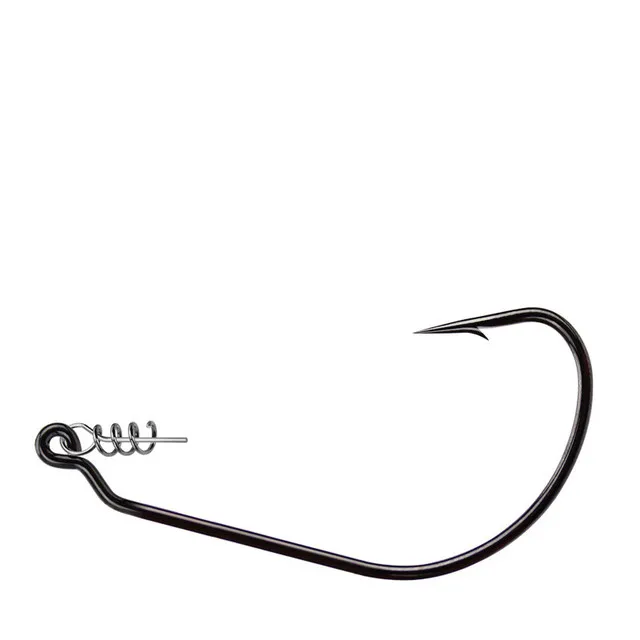 5 options available
-
 25 options available
-
 14 options available
-
 5 options available
-
 5 options available
-
 4 options available
-
 See product details
-
 4 options available
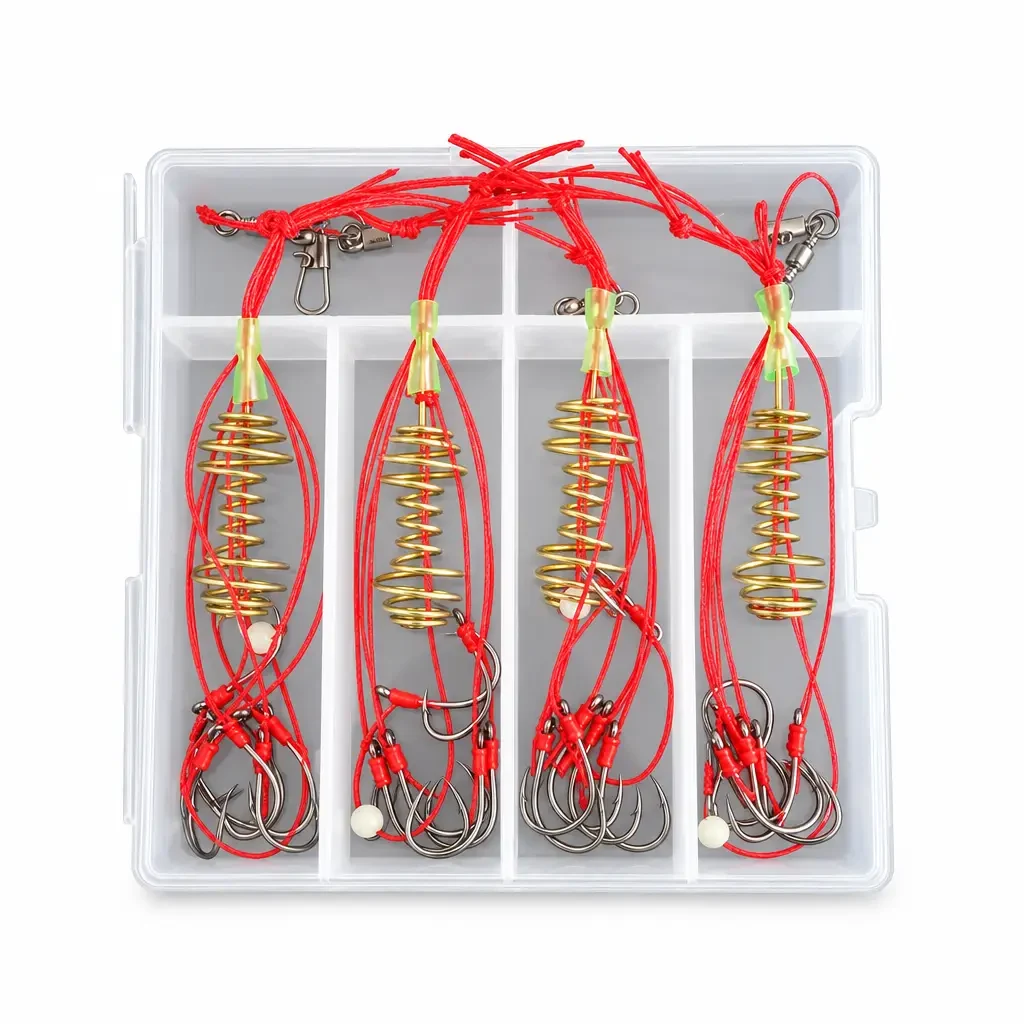
Explosion Hook High Carbon Steel (Pack of 4)
From$11.99 -
 See product details
-
 7 options available
-
 See product details
-
 See product details
-
 28 options available
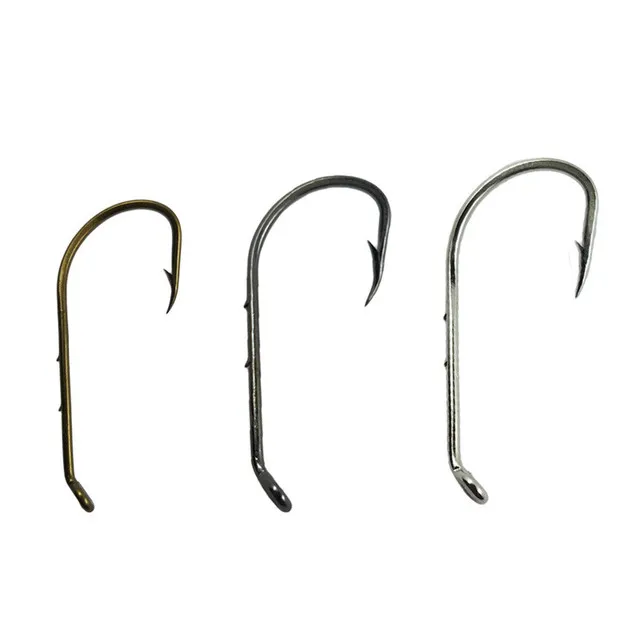
Double Barb Baitholder Hook (Pack of 10)
From$6.99 -
 See product details
-
 5 options available
-
 5 options available
-
 See product details
-
 See product details
-
 6 options available
Types of Fishing Hooks
The hook is the one part of your tackle that every fish meets, so the pattern matters. Each style suits a certain bait, lure or technique. Knowing the main types makes it easy to pick the right pack.
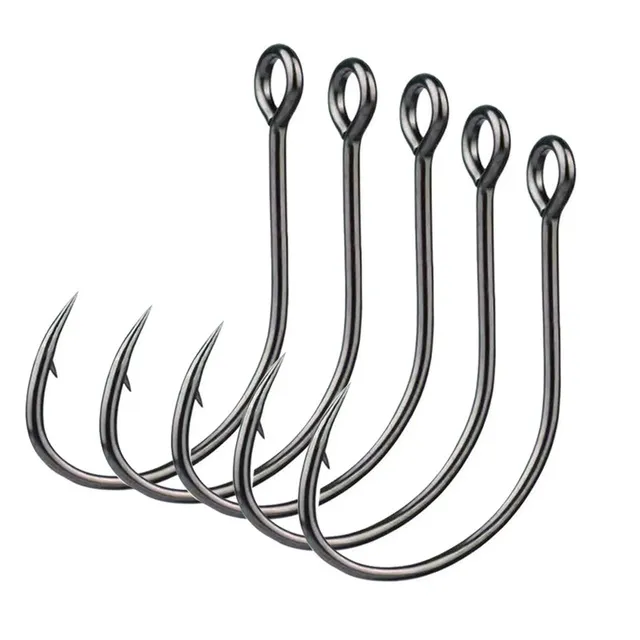
- Single hooks: a simple all-round choice for bait, small lures and light stream fishing.
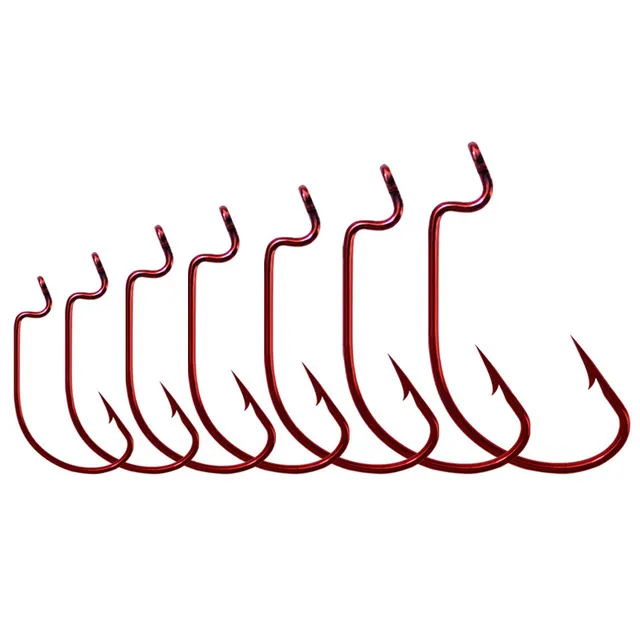
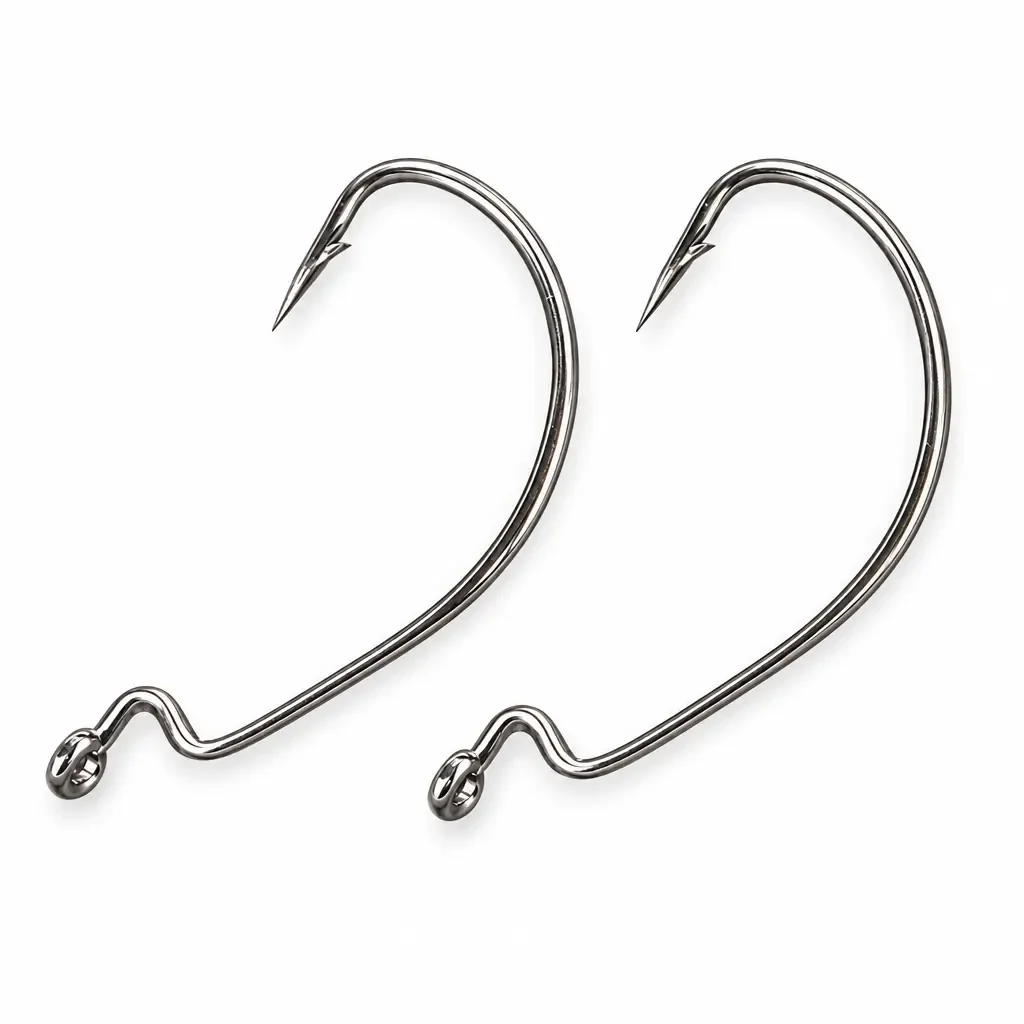
- Worm hooks: offset or wide-gap shapes that hold soft plastics weedless on Texas and drop shot rigs.
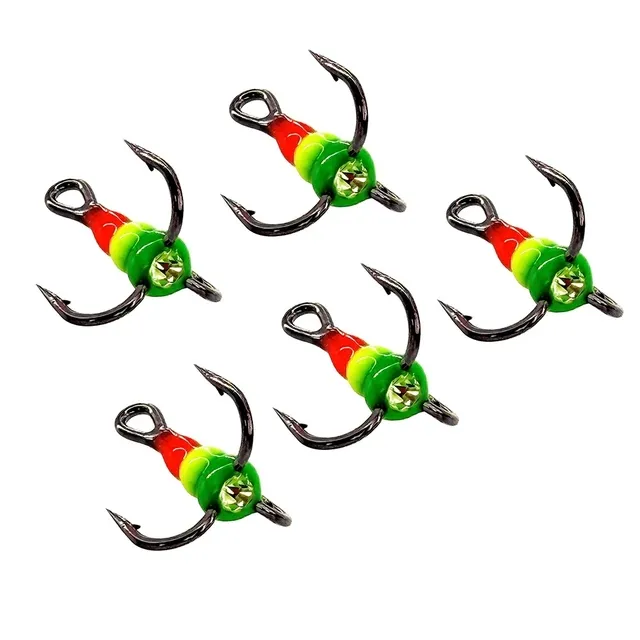
- Treble hooks: three points on one shank, used on crankbaits, jerkbaits and spoons.
- Circle and octopus hooks: curved points that tend to set in the corner of the mouth when the line tightens.
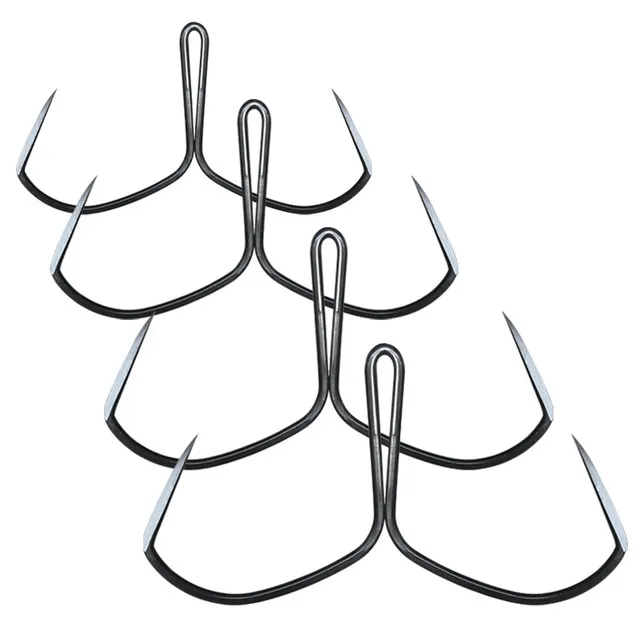
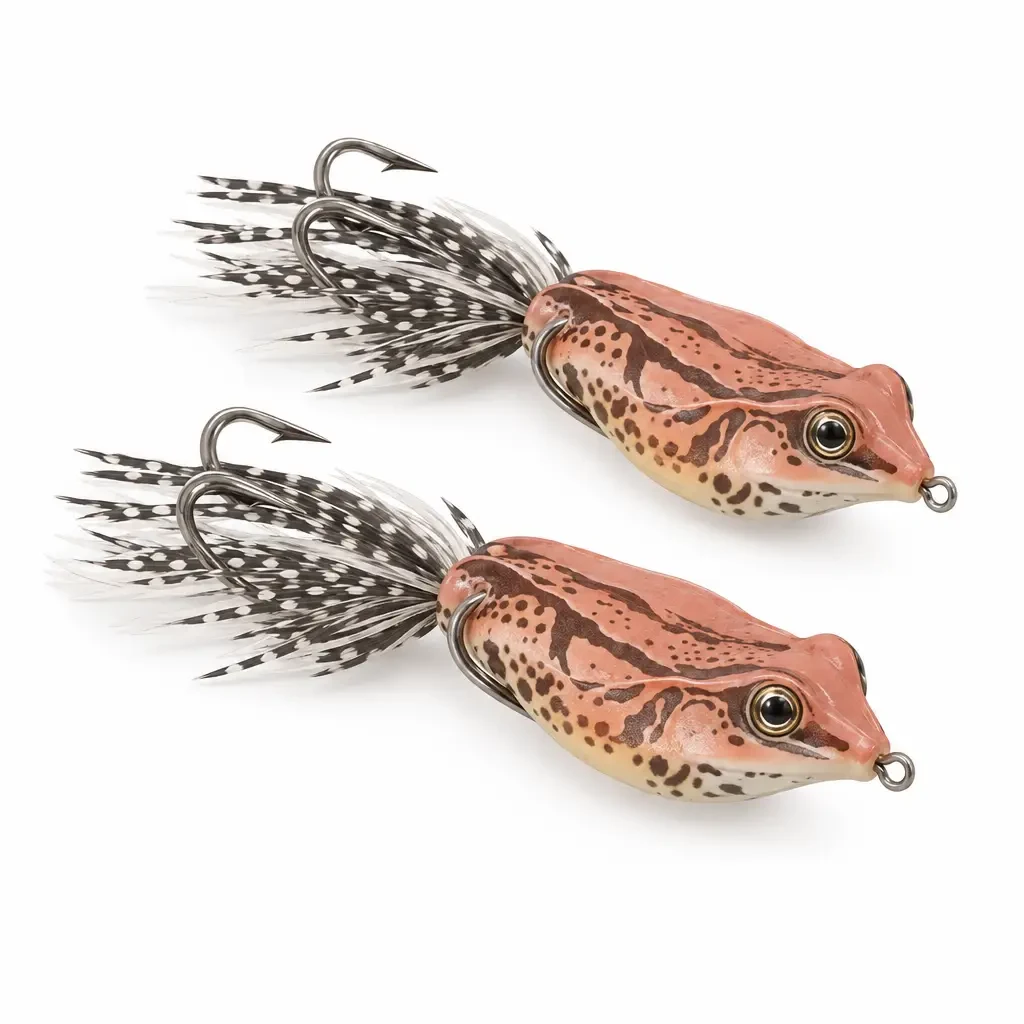
- Double hooks: two points side by side, common on hollow frogs for weedy water.
- Baitholder hooks: small barbs on the shank help keep natural bait in place.
- Ice fishing hooks: small hooks for jigging through the ice for panfish and trout.
How to Choose Fishing Hooks
Start with the bait or lure you plan to use, then match the hook to it. A soft plastic needs a hook gap wide enough to clear the body. A live or natural bait needs a hook small enough to let the bait look and move naturally.
Think about the fish and the cover too. Heavy cover and big mouths call for stronger, wider hooks. Clear water and shy fish often reward a smaller, thinner hook.
- Match hook size to bait size first, then to the target fish.
- Use weedless worm hooks in weeds, wood and rocks.
- Choose circle hooks if you plan to release most of your catch.
- Swap dull or rusty trebles on hard lures before your next trip.
Fishing Hook Sizes Explained
Hook sizes can look confusing at first. Plain numbers such as 2, 6 or 12 get smaller as the number goes up. Sizes with a slash, such as 1/0 or 5/0, get larger as the number goes up.
Small sizes suit panfish, trout and light bait work. The aught sizes suit bass, pike and larger soft plastics. Many of our packs list the size range in the product name, so you can check the fit before you order.
Barbed, Barbless and Glow Fishing Hooks
Most fishing hooks have a barb that helps keep the fish on during the fight. Barbless hooks are easier to remove and are required on some waters, so check your local rules before you fish.
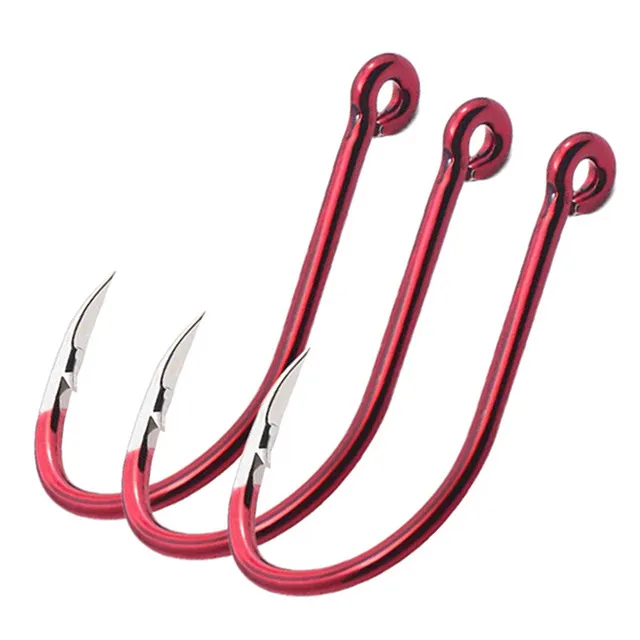
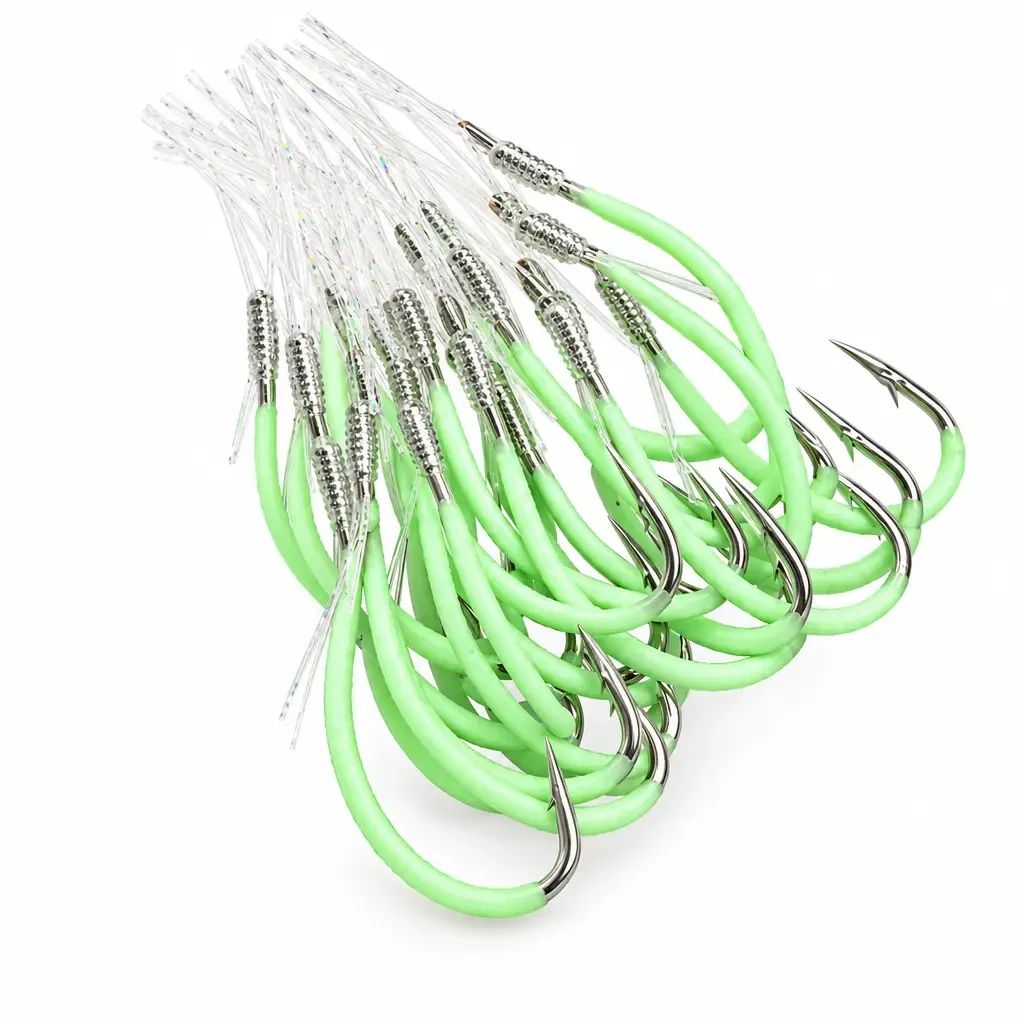
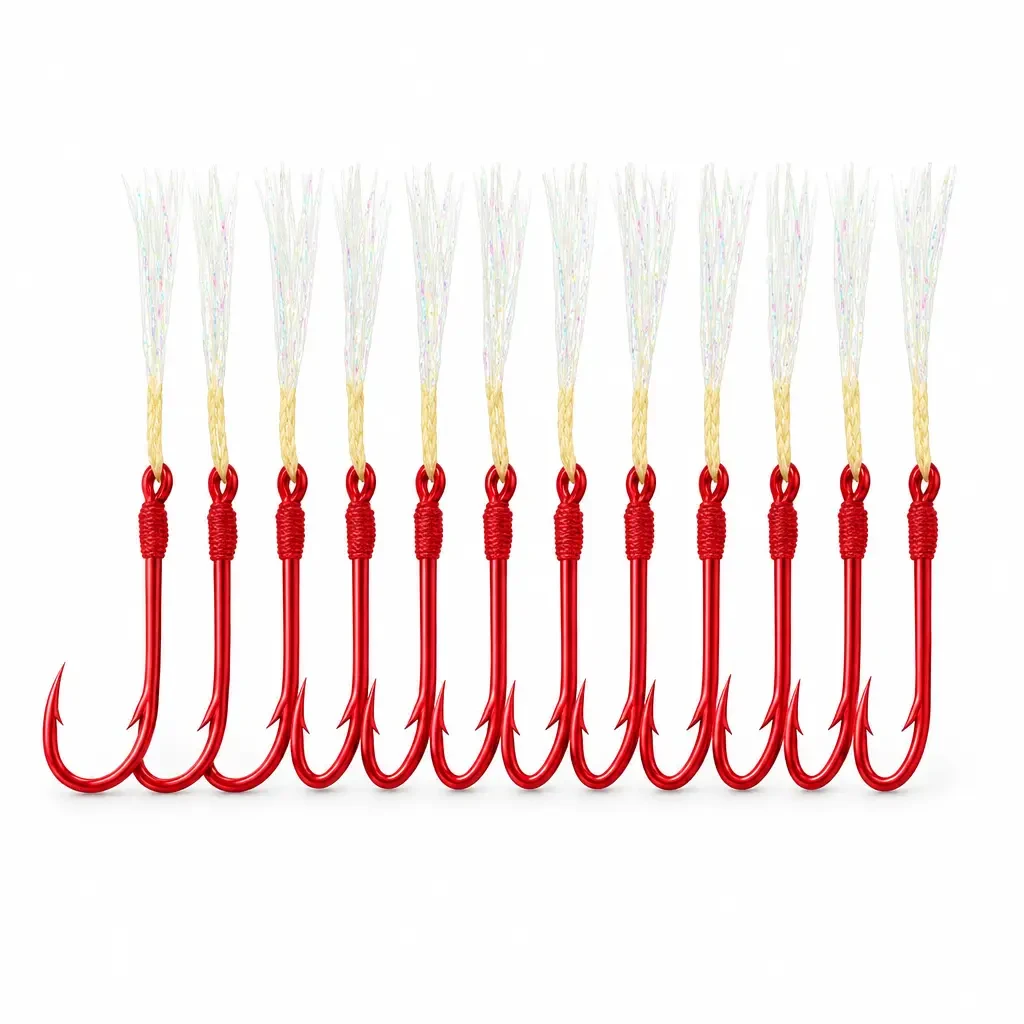
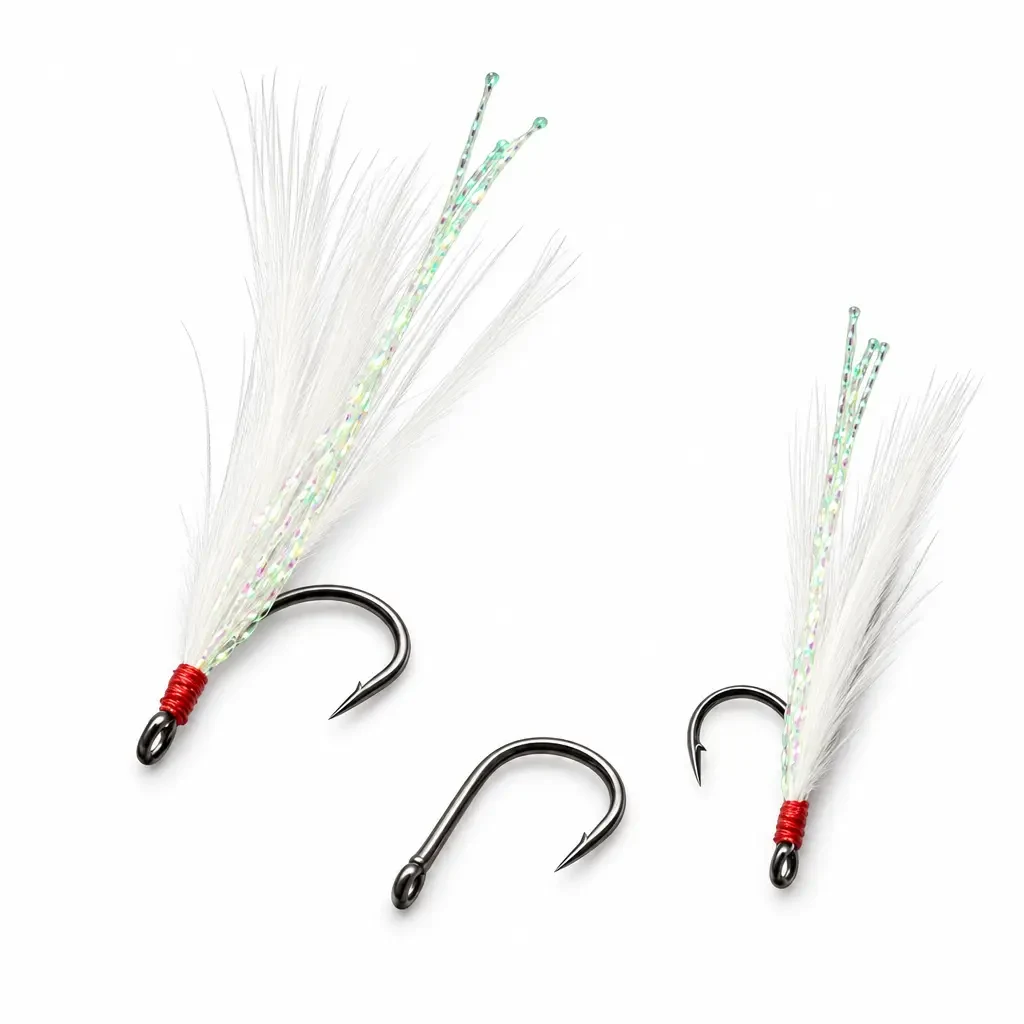
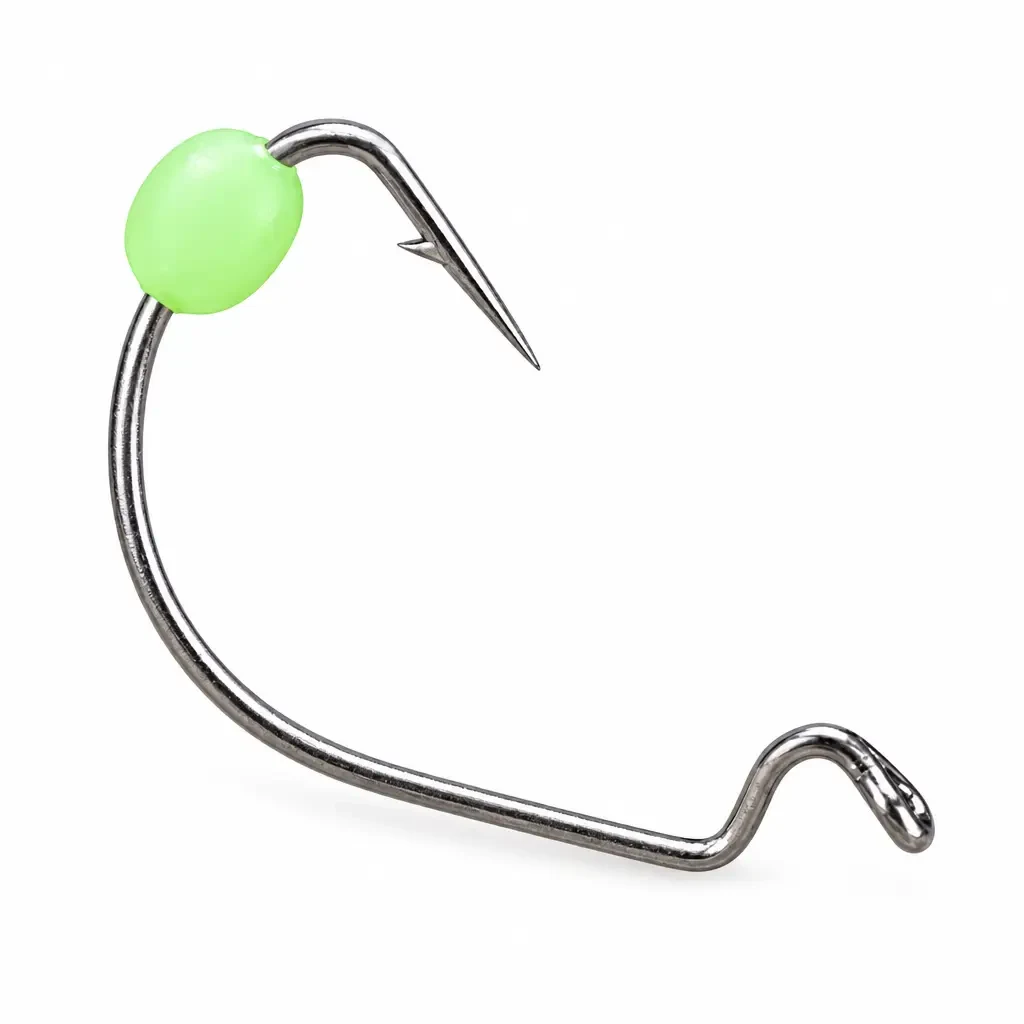
Glow hooks and hooks with red finishes add a small point of colour near the bait. Some anglers like them in murky water or at night. Feathered hooks add a little movement and flash to spoons and dressed trebles.
Care and Safety Tips
Keep hooks dry and in separate compartments so they do not rust or tangle. Check the point on your thumbnail before each session and replace any hook that slides instead of catching. Always carry pliers to remove hooks from fish quickly and safely.
Fishing Hooks FAQ
What size fishing hook should I use?
Match the hook to the size of your bait and the mouth of the target fish. Sizes 8 to 12 suit panfish and small trout. Sizes 2 to 1/0 suit general bait fishing, while 2/0 to 5/0 suit bass and larger soft plastics.
What is the difference between a worm hook and a regular hook?
A worm hook has an offset bend or a wide gap below the eye. This shape lets you bury the point back into a soft plastic so the bait slides through cover without snagging. A regular hook has a straight shank and an open point.
When should I use circle hooks?
Circle hooks work well with natural bait when you let the fish take the bait and simply tighten the line. The curved point tends to slide to the corner of the mouth. This makes them a popular choice for catch and release fishing.